
8 min read
Supplements for Sport and Fitness: A Factual Overview
All supplement categories at a glance, with the evidence rated from good to thin, plus safety and buying tips.

Supplements for sport and fitness are a huge market with countless product categories, from protein powder and creatine to fat burners and joint products. Not every category is equally well researched, and not every advertising claim lives up to what it promises.
On this page you get a factual overview of the main categories, an assessment of the evidence, notes on safety and buying, and links to all the detailed guides on the individual supplement groups.
01
Categories at a glance
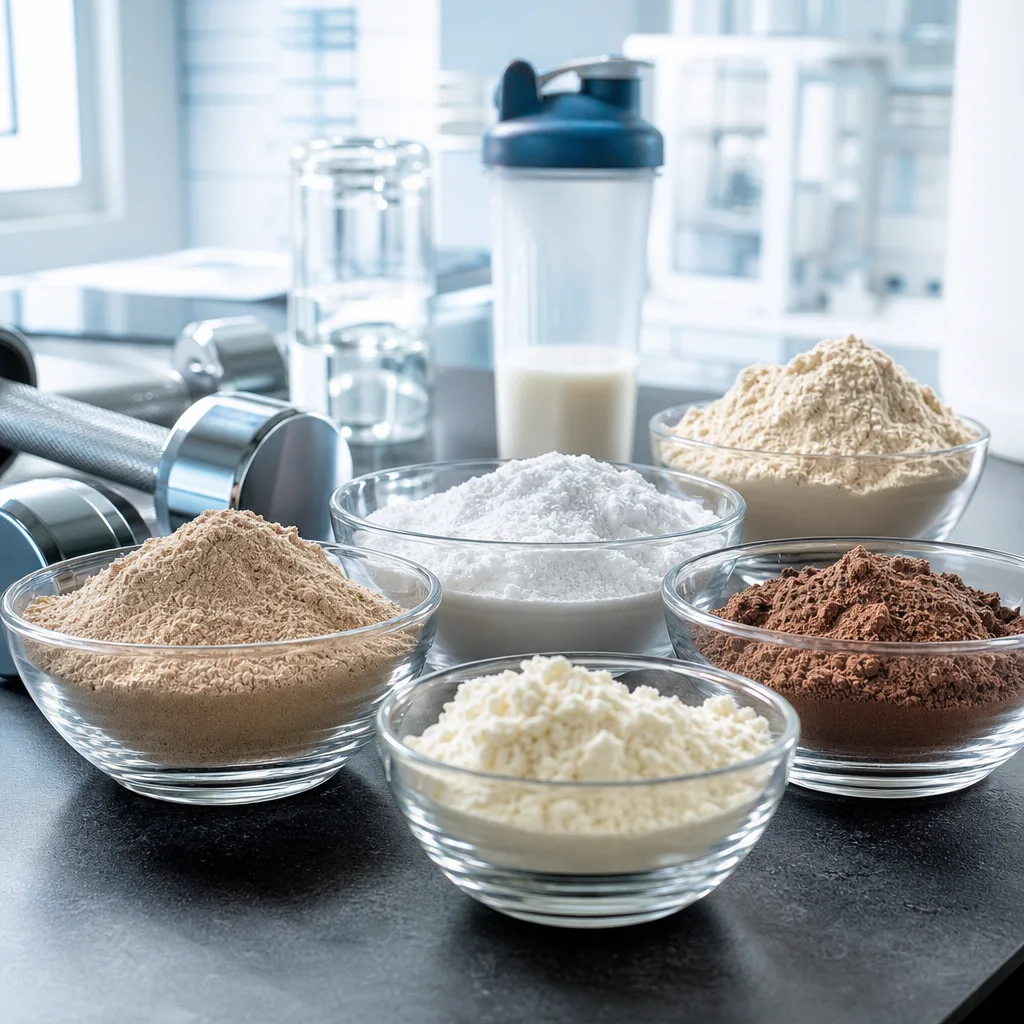
Broadly, supplements for sport and fitness can be divided into a few large groups: protein powder to cover protein requirements, creatine to support short-term energy supply, other amino acid products, so-called boosters with stimulating or circulation-promoting ingredients, fat burners and diet products, products for joints and connective tissue, and vitamins and minerals. Each of these groups has a different level of scientific support.
This division is not a strict classification, and in practice some categories overlap. A pre-workout booster, for example, can contain both stimulating ingredients such as caffeine and circulation-promoting amino acids such as arginine, and a multi-component product for muscle building often combines protein powder with creatine and other additives. To make your own assessment, it still helps to start with the main effect of a product before evaluating a specific one.
 Matching productL-ArginineAmazon →
02
Evidence at a glance
The following table roughly ranks common supplement categories by how strong the scientific evidence is for their advertised main effect. This ranking does not replace individual advice and says nothing about the safety of taking them, only about how reliable the evidence of effect is.
| Category | Evidence | Short assessment |
|---|---|---|
| Protein powder | good | practical addition to protein intake, effect via the amount of protein well supported |
| Creatine | good | one of the best-researched substances in sports nutrition, effect on short-term strength performance well supported |
| Essential amino acids | good | contribution to muscle protein synthesis well supported, mainly as an addition when protein intake is low |
| Beta-alanine | mixed | effects in short, high-intensity efforts are discussed, varying in strength from person to person |
| Pre-workout boosters | mixed | individual ingredients such as caffeine are well researched, overall effect of the blends inconsistent |
| Testosterone boosters | thin | a relevant rise in testosterone levels in healthy men has not been scientifically shown |
| Fat burners | thin | a notable effect on fat loss without a calorie deficit has not been shown |
| Fat blockers and carb blockers | thin | effects in everyday life usually small, evidence weak overall |
| Joint products such as glucosamine | mixed | study results inconsistent, effect varies from person to person |
| Vitamins and minerals | good, when a deficiency is proven | useful mainly to correct a documented deficit, not as a blanket measure |
 Matching productSports BraAmazon →
03
What is often worthwhile
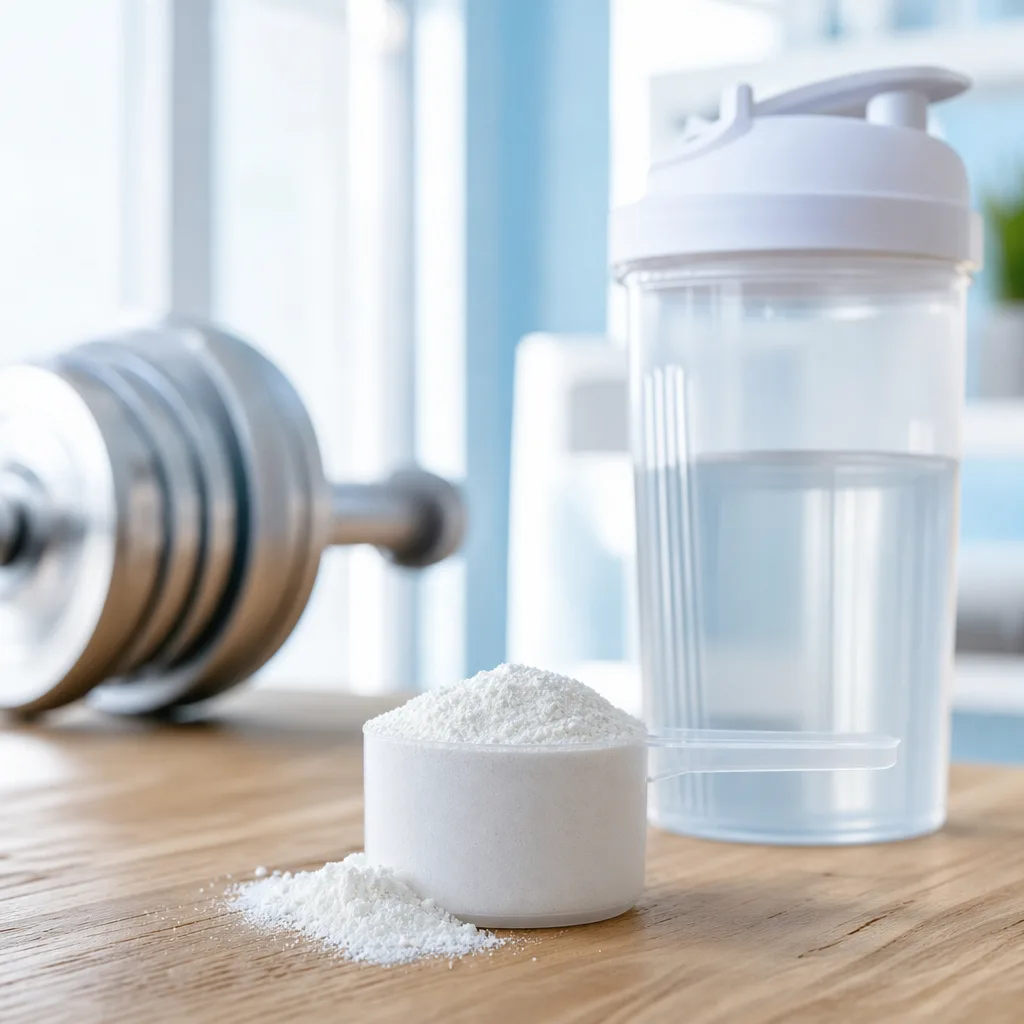
Among common supplements, the best supported are protein powder to cover protein requirements and creatine. For creatine, research treats a daily amount of about 3 to 5 g of monohydrate as the usual range, and a so-called loading phase with higher initial doses is not necessary. Essential amino acids and BCAA can also be a useful addition when protein intake from normal food is low.
For substances such as L-carnitine, HMB or Kre-Alkalyn, the evidence is mixed overall. There are individual studies with positive results, but overall the evidence is not enough to promise reliable effects for the general population. If you want to try such products, you should have realistic expectations and see them as a possible addition, not as a central building block of training success.
 Matching productCreatine MonohydrateAmazon →
04
Where the evidence is thin
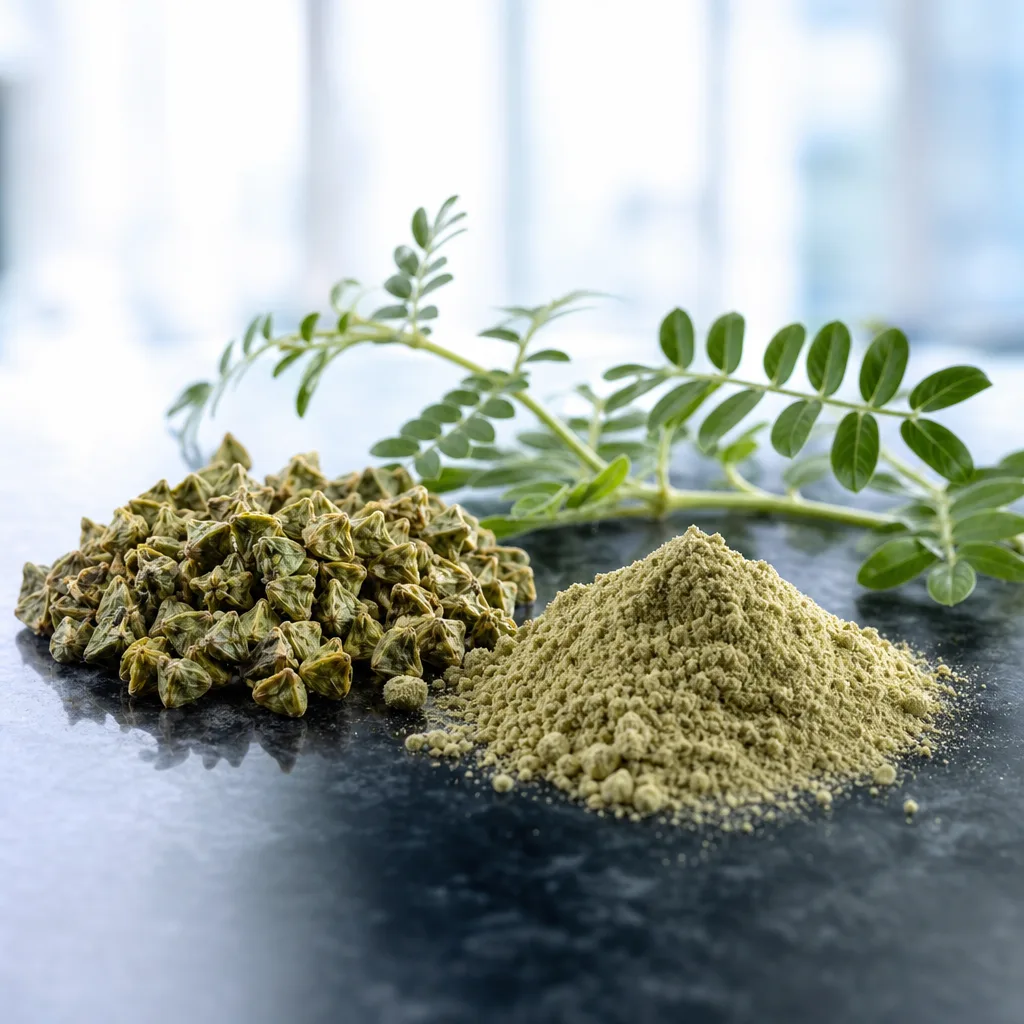
For a number of product categories, very optimistic claims are used in advertising even though the scientific basis is thin. These include in particular testosterone boosters, fat burners, fat blockers and carb blockers, as well as plant extracts such as Tribulus terrestris, maca and bitter melon. For these products, relevant effects in healthy adults generally cannot be reliably derived from the current evidence.
This does not automatically mean that these products are ineffective or dangerous, only that advertising claims about increased testosterone, greater potency or markedly faster fat loss should be viewed critically. If you are interested in such a product, you should regard it as an addition with uncertain benefit and not expect miracles from it.
05
Safety of dietary supplements
In Germany and the EU, dietary supplements are subject to their own legislation, but unlike medicines they are not required to be tested for effectiveness before approval. This means that the safety of the individual ingredients in usual amounts is regulated, but specific proof of effect for the finished product does not necessarily have to exist.
For athletes who compete in organised sport, contamination with banned substances is an additional concern. Initiatives such as the Cologne List offer guidance on which tested products carry a lower risk of such contamination. If you have an existing condition, are pregnant or take medication, the general rule applies: discuss taking dietary supplements with a medical professional beforehand.
Storage also plays a role in safety. Powders and capsules should be kept dry, cool and protected from light so that active ingredients do not lose quality prematurely. An expired best-before date is a reason to stop using a product, even if it looks unchanged, since individual ingredients can degrade over time.

06
What to look for when buying
It is also worth looking at the manufacturer's information on testing methods and production standards, where these are communicated transparently. A product that is open about its composition and the amounts it contains seems more trustworthy than one that hides behind general terms such as special formula and does not disclose the individual amounts of its active ingredients.
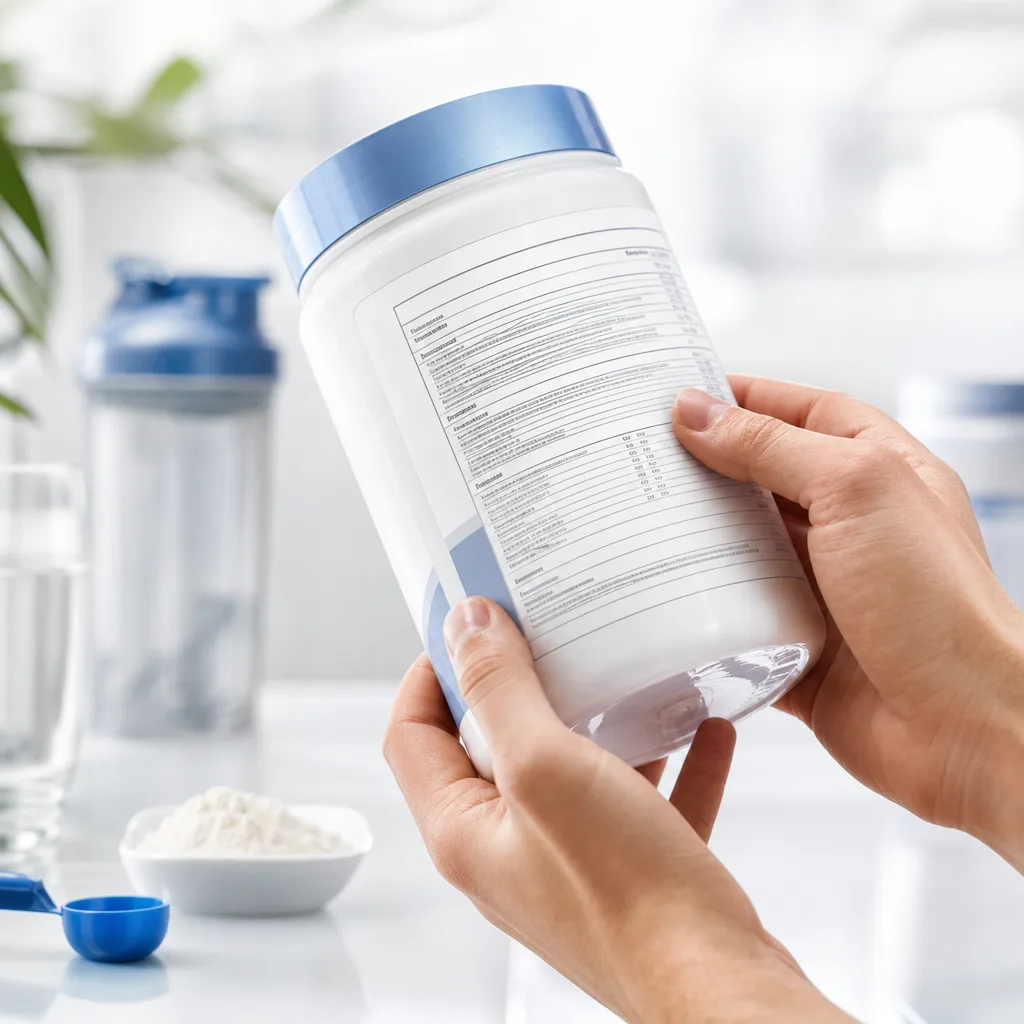
Instead of going by advertising claims, take a look at the actual ingredients list. There you can see which active ingredients are included and in what amount, and check whether that amount falls in a range that has actually been studied in research. Long lists of additives, unclear amounts given as total complexes without individual amounts, or heavily exaggerated advertising claims are more of a warning sign than a mark of quality.
- Check the ingredients list for specific amounts per serving instead of relying on advertising copy.
- If you compete in sport, look for products tested for contamination, for example according to the Cologne List.
- Treat the amounts on the packaging as a guide, not as fixed instructions.
- If you are unsure or have an existing condition, get medical or nutritional advice beforehand.
Dietary supplements are not a substitute for a balanced diet, but can complement it sensibly in individual cases. For a more detailed assessment of when supplementation makes sense at all, see the guide Balanced diet or dietary supplements, and for further practical buying tips see the guide Buying guide.
07
What the research says
Overall, the research paints a very mixed picture depending on the supplement category. Protein powder and creatine are among the best-studied substances in sports nutrition, with a broad base of studies supporting a benefit for strength, muscle mass or training performance. For many so-called boosters, fat burners and plant extracts, by contrast, there is no comparably solid body of data, and often only a few small or methodologically weak studies exist.
For you as a consumer, this means: a high price or striking advertising says nothing about actual effectiveness. It makes more sense to go by the scientific category of an ingredient and, for categories with thin evidence, to keep your expectations correspondingly low.
08
Frequently asked questions
Do I need supplements at all for training success?
No, the most important factor for training success remains a suitable training plan together with a balanced diet. Supplements can complement individual building blocks, but they do not replace these foundations.
Which supplements are best researched?
Protein powder to cover protein requirements and creatine are among the supplements with the most extensive and consistent evidence in sports science.
Are expensive supplements automatically better?
No, price says nothing about actual effectiveness. What matters more is the specific composition on the ingredients list compared with the amounts studied in research.
What is the Cologne List?
The Cologne List is a guide mainly for athletes in competitive sport, showing which products have been tested for contamination with banned substances.
Can I take several supplement categories at the same time?
In principle this is possible, but it is worth checking whether active ingredients such as caffeine overlap between several products. If you are unsure, medical or nutritional advice can help.
Do dietary supplements replace a healthy diet?
No, dietary supplements are meant as an addition to a balanced diet, not as a replacement for it.
09
Guides by category
Creatine and amino acids
- Creatine: effect, usual amounts and the evidence in detail.
- Kre-Alkalyn: buffered form of creatine compared with classic monohydrate.
- HMB: breakdown product of leucine and its discussed role in preserving muscle.
- Beta-alanine: precursor of carnosine with a role in short, intense efforts.
- L-carnitine: assessment of the advertising claims around fat metabolism and endurance.
Boosters and formulations
- Pre-workout boosters: typical ingredients and what the research says.
- Weight gainers: high-calorie shakes for muscle building at a glance.
- All-in-one for muscle building: combination products for muscle building assessed.
- Meal replacements: when replacement meals can make practical sense.
Testosterone, potency and fat metabolism
- Testosterone boosters: factual assessment of the advertising claims based on the evidence.
- Tribulus terrestris: plant extract and what the research says about its effect.
- Maca: traditional root from the Andes and its discussed effect.
- Fenugreek: fenugreek extract in the context of strength training and nutrition.
- Fat burners: assessment of common ingredients and realistic expectations.
- Fat blockers: how they work and their limits.
- Carb blockers: how they work and the evidence assessed.
- Bitter orange: extract with stimulating ingredients and its risks.
- Bitter melon: traditional plant and its discussed role in sugar metabolism.
Plant extracts and other active ingredients
- Guarana: caffeine-containing plant found in many boosters.
- Coleus: plant extract and its discussed effects.
- Nettle root: traditionally used plant extract in a sports context.
- Avena sativa: green oat extract and what is known about its effect.
Joints and connective tissue
- Glucosamine: commonly used building block of joint products at a glance.
- Chondroitin: cartilage building block often combined with glucosamine.
- Hyaluronic acid: building block of joint fluid and connective tissue.
- Collagen: structural protein for skin, tendons and joints in detail.
Drinks, bars and other sports nutrition
- ZMA: combination of zinc, magnesium and vitamin B6 at a glance.
- Sports drinks: electrolytes and carbohydrates for longer efforts.
- Carbohydrate bars: quick energy for training and endurance sport.
- Ribose: sugar with a role in the energy metabolism of the cell.
- Superfood: assessment of a term shaped mainly by marketing.
- Balanced diet or dietary supplements: when supplements are worthwhile at all.
- Buying guide: practical tips for buying sports nutrition.
 Matching productL-LeucineAmazon →
Explore
Read next
 Protein types at a glance: whey, casein, plant-based and moreAn overview of all common protein types from whey to collagen, with a comparison table and links to detailed guides.
 Amino Acids: The Building Blocks of ProteinStructure, classification and functions of amino acids at a glance, with a table of all 20 proteinogenic amino acids and links to all guide…
 Training Plans: The Right Plan for Your GoalHow to use frequency, volume and progressive overload properly, and which training plan fits your goal and time budget.