
6 min read
Avena Sativa: Oats, Green Oat Extract and the Evidence
How avena sativa differs from ordinary rolled oats and why the advertising claims about testosterone and libido are barely supported by science.
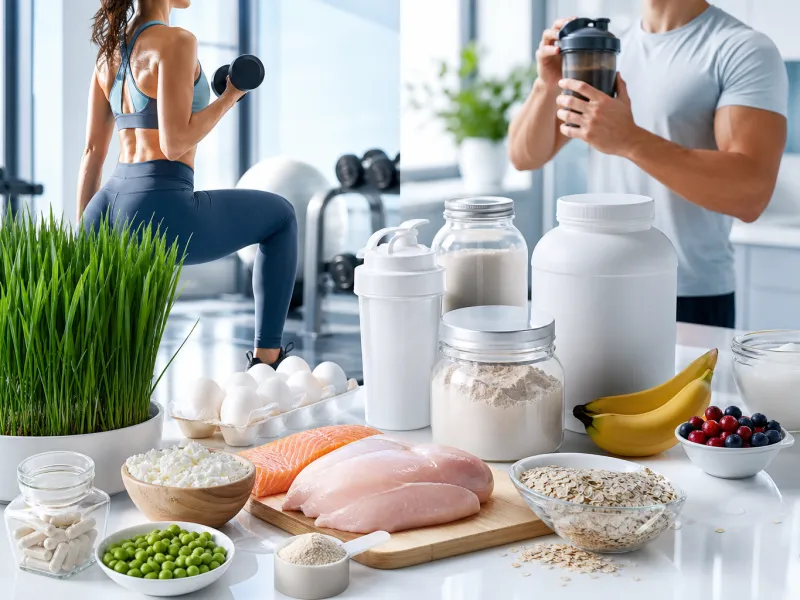
Avena sativa is the botanical name of common oats, from which rolled oats, oat flour and oat bran are made. Besides its role as an everyday cereal, avena sativa also appears in dietary supplements as a herb or green oat extract, which advertising occasionally credits with a stimulating effect on energy, mood or testosterone levels.
This guide separates oats as an everyday food from the green oat extract advertised in sports nutrition, explains the ingredients and puts into perspective what research actually offers on the claims in circulation.
01
What is avena sativa
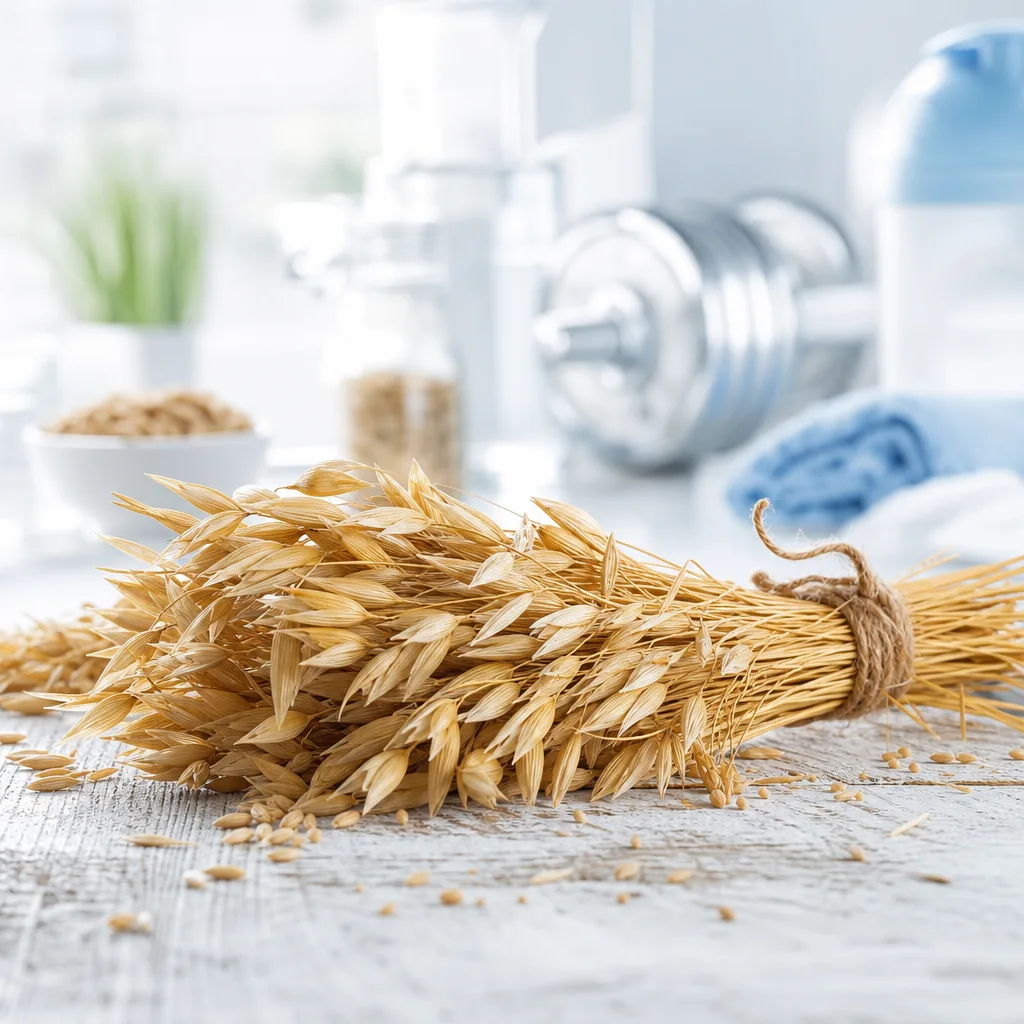
Avena sativa is a cereal that has been cultivated for thousands of years and from which the familiar rolled oats are made. As a food, oats are undeniably valuable: they supply carbohydrates, fibre, plant protein and various minerals and are a fixture of many balanced meal plans, for example as porridge or in homemade muesli bars.
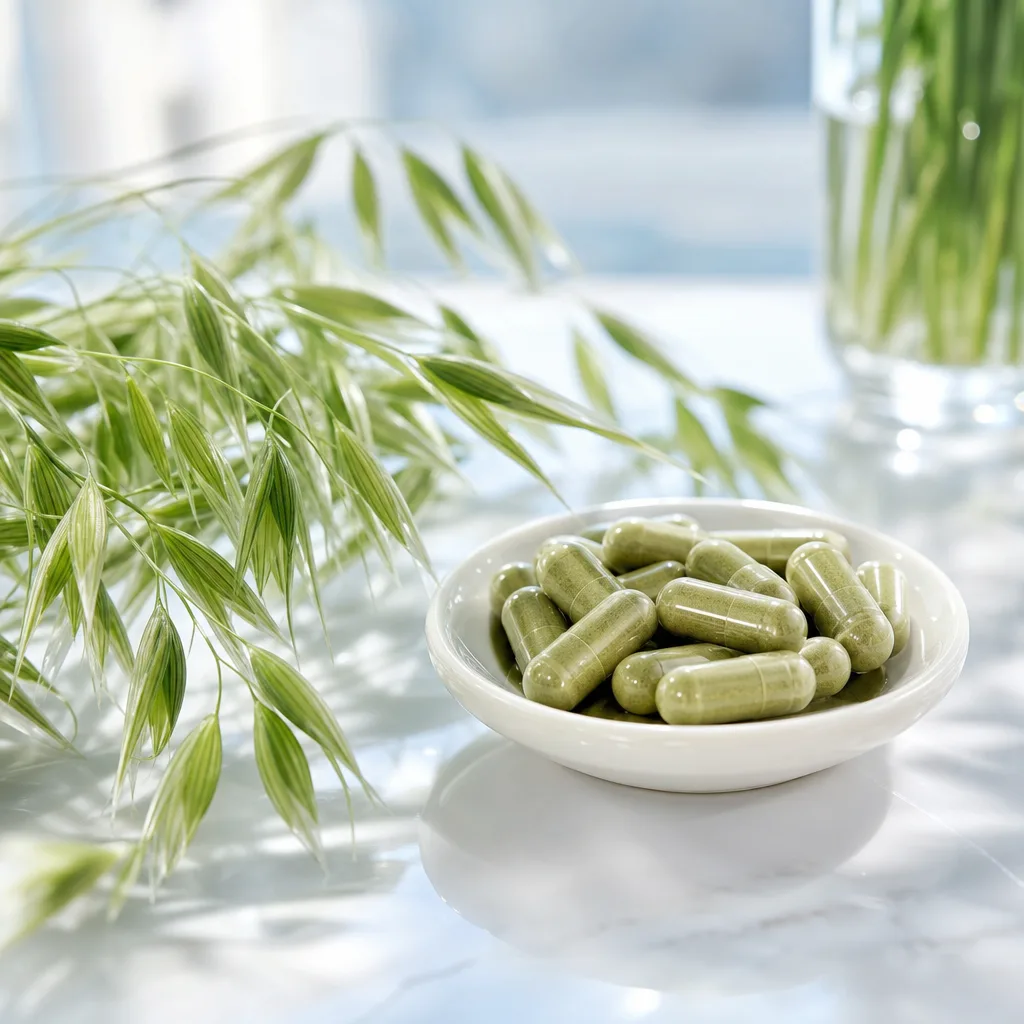
To be distinguished from this is so-called green oat extract, which is obtained from the still green, unripe parts of the plant. This extract is the subject of many advertising claims in dietary supplements, especially in the area of testosterone boosters and potency products, without there being a sufficient scientific basis for them.
This risk of confusion is one of the reasons why it pays to look closely when reading a package: while ordinary rolled oats are among the best-studied and undeniably valuable cereal products of all, the advertised green oat extract is a separate product with a completely different, much thinner body of evidence. A look at a product's ingredient list usually quickly reveals whether it contains whole rolled oats, oat protein or a concentrated green oat extract.
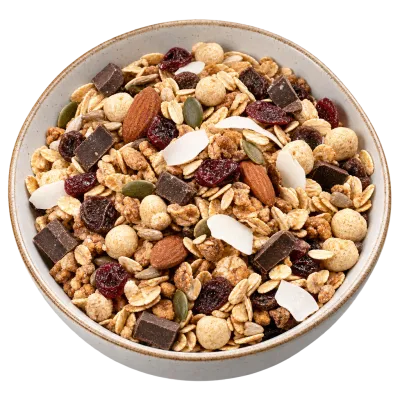 Matching productProtein MuesliAmazon →
02
Nutrients in oats
The following table shows typical orders of magnitude for rolled oats as a food, not for concentrated extracts in capsule form.
| Nutrient | Typical order of magnitude per 100 g rolled oats |
|---|---|
| Energy | about 370 kcal |
| Carbohydrates | about 58 to 60 g |
| Fibre | about 10 g |
| Protein | about 12 to 13 g |
| Fat | about 7 g, mostly unsaturated |
As a wholegrain cereal, oats thus provide a sensible combination of complex carbohydrates, fibre and plant protein, which makes them a popular base for a high-protein breakfast.
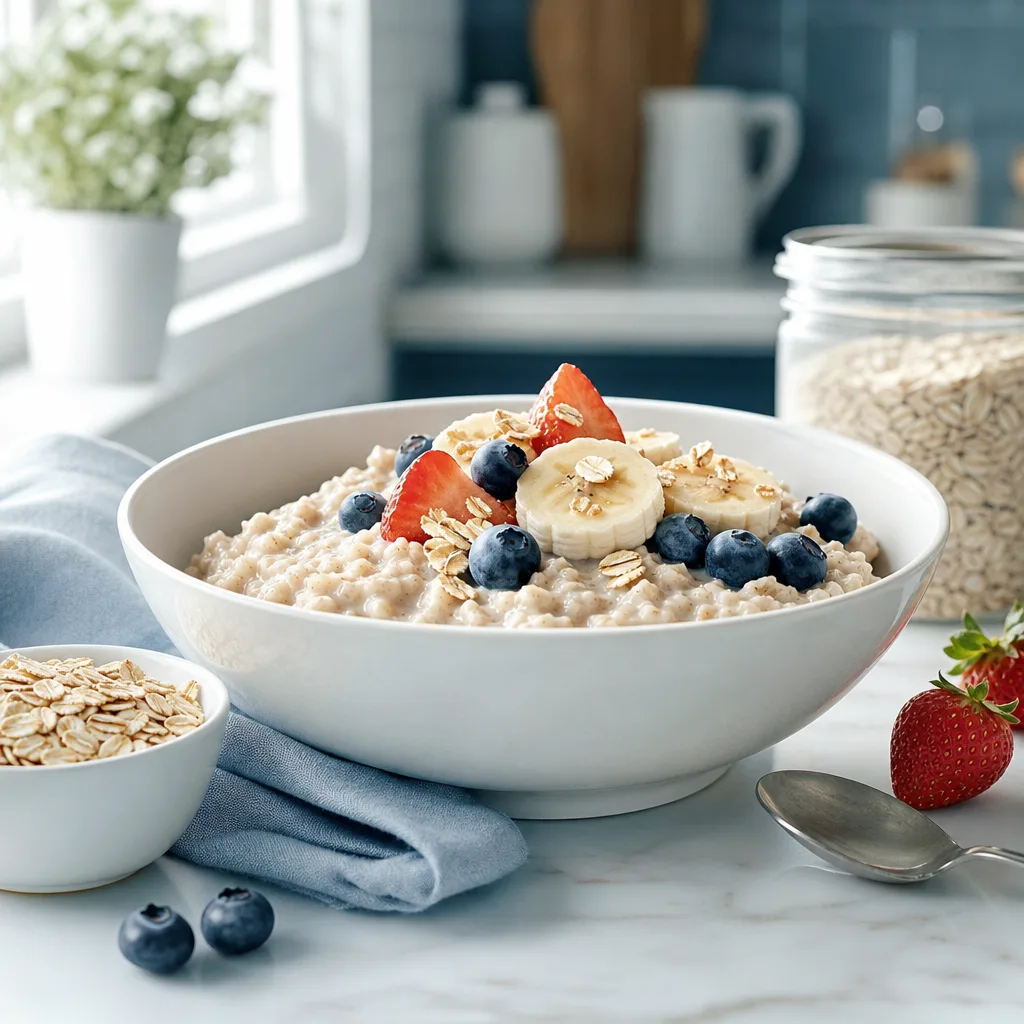
Particularly worth highlighting is the content of soluble fibre, especially beta-glucan, which nutrition science credits with a role in cholesterol metabolism. The long feeling of fullness after a portion of porridge is also often attributed to this fibre, since it swells in the stomach and slows digestion. You can find more information on fibre and its role in the diet in the glossary.
03
Green oat extract in dietary supplements
Green oat extract is usually offered in sports nutrition as a component of combination products, often together with other plant extracts such as Tribulus terrestris or maca. It is often advertised with claims about more energy, better mood or an increase in libido, sometimes also with reference to testosterone levels.
In homeopathy, avena sativa is traditionally used as a mother tincture for exhaustion and to support recovery. However, this long tradition of use is no proof of a scientifically demonstrated effect, since homeopathic preparations are made according to different principles from classic plant extracts, and their efficacy is not regarded as established by current scientific understanding.
In combination products, green oat extract is also often enriched with further ingredients such as zinc or B vitamins. Such additives can certainly contribute to a needs-based supply, but they say nothing about a possible effect of the green oat extract itself; they rest on the basic function of these individual nutrients in the body. If you are interested in such a combination product, you should therefore look at the ingredient list as a whole rather than going only by the advertised main ingredient.
04
Dosage as a guide
There is no uniform, scientifically established dosage recommendation for green oat extract. Products on the market state a daily amount on the packaging, which you should follow. As a food, by contrast, rolled oats can be included in the meal plan in normal household portions without any particular restriction, for example at breakfast or in baked goods.
If you want to build rolled oats into your training routine, you can use them both before and after exercise, since the carbohydrates they contain are made available over a longer period than, for example, glucose tablets. For suitable timing of carbohydrates around training, the guide Protein timing gives further pointers, even though its focus is on protein. Combined with a protein source such as quark or a protein powder, this makes a practical meal around training.
 Matching productRice CakesAmazon →
05
Who should be cautious
Plain rolled oats as a food are considered well tolerated by most people, although people with coeliac disease should look for products certified as gluten-free, because oats often come into contact with gluten-containing grains during cultivation and processing. For concentrated green oat extracts in capsule form, the data on tolerability and possible interactions are limited, so medical advice should be sought beforehand if you have existing conditions, during pregnancy and breastfeeding, or if you take medication regularly. Dietary supplements are also no substitute for a balanced diet.
Children and adolescents should also avoid taking green oat extract without medical supervision, as there are hardly any specific studies for this age group. Rolled oats as a normal food are exempt from this and are an unproblematic part of a balanced diet in almost every age group.
06
What the research says
For oats as a wholegrain food, the positive assessment within a balanced diet is well established, particularly because of the fibre they contain. For the effects of green oat extract on testosterone, libido or athletic performance advertised in sports nutrition, however, the scientific evidence is very thin: there are hardly any meaningful studies in humans, and many of the claims in circulation come from advertising or from very old, methodologically weak sources. A clear, reproducible effect of the extract cannot currently be derived from this, and claims of a testosterone-raising effect should be treated with corresponding reserve.
This assessment matches the general view of many plant-based testosterone boosters: for related substances such as Tribulus terrestris or maca, too, the available evidence is overall weak and inconsistent. If you decide on such a combination product, you should therefore regard the advertised effects as an unconfirmed possibility rather than a reliable effect, and set realistic expectations of what it actually does.
07
Frequently asked questions
Is avena sativa the same as ordinary rolled oats?
Botanically it is the same plant, but in dietary supplements avena sativa usually means an extract from the green, unripe parts of the plant, not the usual rolled oats from the supermarket.
Does avena sativa raise testosterone levels?
There is no sufficient scientific basis for this. The evidence on green oat extract is very thin overall, and corresponding advertising claims are not reliably supported scientifically.
Are oats as a food still recommended?
Yes, rolled oats are a valuable, fibre-rich cereal and a sensible base for breakfast and other meals, regardless of the advertising claims around extracts.
Can I take avena sativa capsules without concern?
At usual amounts as stated on the packaging, extracts are generally considered well tolerated; if you have pre-existing conditions, are pregnant or take medication, medical advice beforehand is recommended, as the data on interactions are limited.
Are oats gluten-free?
Oats themselves naturally contain no gluten in the classic sense, but are often mixed with gluten-containing grains during cultivation and handling. People with coeliac disease should therefore choose products explicitly certified as gluten-free.
Why is avena sativa used in homeopathy?
Homeopathic users traditionally turn to a mother tincture of avena sativa for exhaustion and sleep problems. According to current scientific understanding, the efficacy of homeopathic preparations is not established, regardless of the starting substance used.
How does avena sativa differ from other plant-based boosters?
In mode of action and evidence, avena sativa resembles other plant extracts such as Tribulus terrestris or maca: all three are advertised in sports nutrition with similar promises, while the underlying scientific evidence remains thin and inconsistent in all three cases.
Can oats help with muscle building?
As a food rich in carbohydrates and fibre, oats provide useful energy for training but do not replace an adequate protein intake. You can find details in the guide Building mass.
Explore
Read next
 Protein types at a glance: whey, casein, plant-based and moreAn overview of all common protein types from whey to collagen, with a comparison table and links to detailed guides.
 Amino Acids: The Building Blocks of ProteinStructure, classification and functions of amino acids at a glance, with a table of all 20 proteinogenic amino acids and links to all guide…
 Supplements for Sport and Fitness: A Factual OverviewAll supplement categories at a glance, with the evidence rated from good to thin, plus safety and buying tips.