
7 min read
Buying guide: choosing protein powder and protein bars step by step
A step-by-step guide to choosing protein powder and protein bars using clear criteria, from goal and protein source to shelf life.

The market for protein powders and protein bars is large, and the choice can seem confusing at first. Instead of going by advertising claims or eye-catching packaging, it helps to proceed systematically and choose a product using clear criteria. This buying guide takes you step by step through the most important points, from your personal goal to the shelf life of the opened pack.
The following steps build on one another, but you can also use them individually if you already know what you are looking for. At the end you will also find a compact checklist that you can have to hand on your next shopping trip.
01
Step 1: Clarify your goal
Before you even pick up a package, it is worth asking what you want to use the product for. Do you want to supplement a meal when you have little time on the go? Do you want to raise your overall daily protein intake, for example as part of strength training? Or are you looking for a practical snack in between that keeps you full without much planning?
Your goal determines whether a powder or a bar suits you better, and it also influences how closely you should look at individual criteria such as taste or composition. A powder works well if you have access to water or milk at home or at work, whereas a bar is practical when you are out and about and do not want any preparation. Some people use both side by side, for example a powder for everyday life at home and a bar as a reserve for the bag or the car, so that a high-protein option is to hand even on an unexpectedly long day. You will find more background on the different protein types in our overview of protein types, and if you do not yet know your approximate requirement, it is worth first looking at the article on protein requirement.
02
Step 2: Choose a protein source
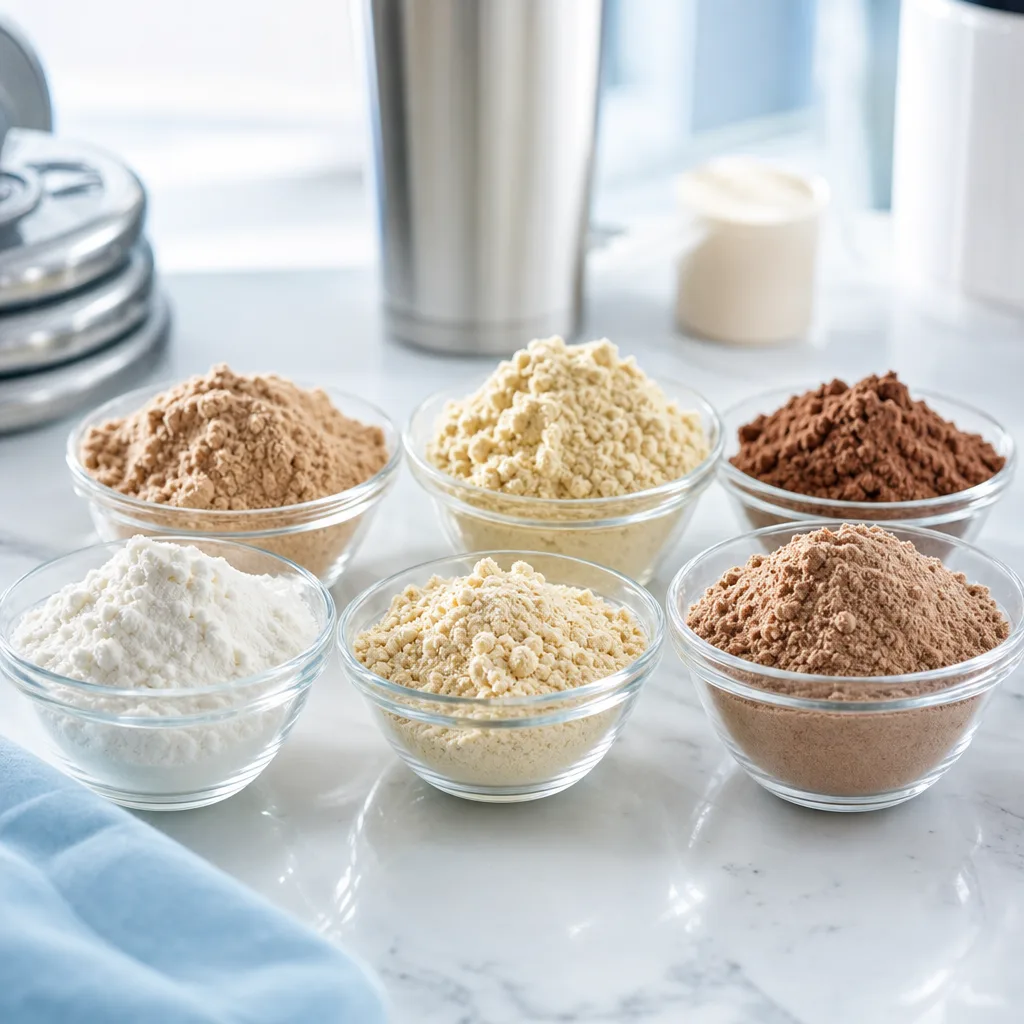
Protein powders and bars differ greatly in the protein source used. Animal-based options such as whey, casein or egg usually provide a complete amino acid profile and are often well tolerated, provided there is no lactose intolerance or other intolerance. Plant-based options such as soy, pea, rice or hemp are vegan and are also suitable for people who avoid animal products for ethical or health reasons.
Several plant protein sources are often combined in one product, such as pea and rice, to achieve as balanced an amino acid profile as possible. Which protein source is an option for you depends on your diet, any intolerances and your personal taste. None of the sources is fundamentally better than another; animal and plant proteins can both be integrated sensibly into a balanced diet.
 Matching productVegan Protein BlendAmazon →
03
Step 3: Check the protein content per 100 grams
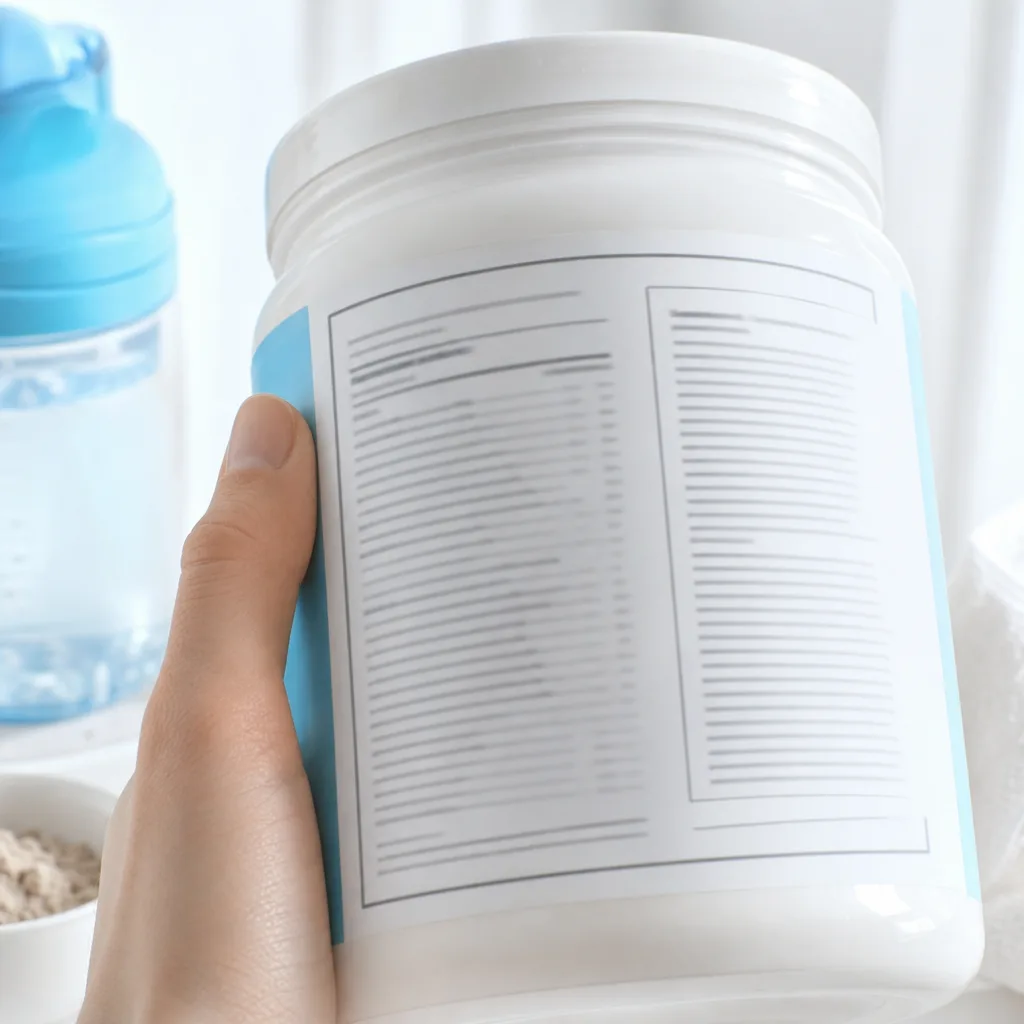
On the packaging you will usually find a nutrition table that states the protein content per 100 grams. For powders this value is often between about 60 and 90 grams per 100 grams, depending on the protein source and recipe, and for multi-component products with additions such as flavourings or fibre it can be somewhat lower.
For bars the protein content is naturally lower, as they also contain carbohydrates, fats and binders. Here it is worth looking at the amount per bar rather than only per 100 grams, since bar size varies greatly. A high protein content alone says nothing about taste, tolerance or the rest of the composition, so this value is only one of several building blocks in your choice. Rather than looking at a single figure in isolation, it makes more sense to consider the protein content together with the carbohydrate and fat content, which gives you a fuller picture of how a product fits into the rest of your diet.
04
Step 4: Read the ingredients list and sweeteners
The ingredients list reveals more than the nutrition table alone, as ingredients are listed in descending order by weight. Pay attention to which sweeteners are used, such as sugar alcohols, stevia or other sweeteners, and how well you tolerate them; some sugar alcohols can have a laxative effect in larger amounts.
Additives such as thickeners, flavourings or emulsifiers are also in the ingredients list. If you want to avoid certain ingredients, such as particular sweeteners or gluten, the ingredients list is the most reliable source of information, more reliable than advertising claims on the front of the packaging. The glossary entry ingredients list explains more about how to read an ingredients list systematically.
 Matching productGlycineAmazon →
05
Step 5: Check lactose and vegan suitability
If you react sensitively to lactose, it is worth looking at the lactose content. Whey concentrate usually still contains significant amounts of lactose, whereas whey isolate usually contains considerably less thanks to stronger filtration, and explicitly lactose-free products are labelled accordingly. More on this in the article lactose-free.
If you follow a vegan diet, look for clear labelling as vegan, since some products that appear plant-based can still contain animal additives such as honey or whey powder. Casein and whey come from milk and are therefore not vegan, whereas soy, pea, rice and hemp protein are plant-based and well suited to a vegan diet. Seals or explicit notes on the packaging can also give you additional orientation here, but they do not replace your own look at the ingredients list.
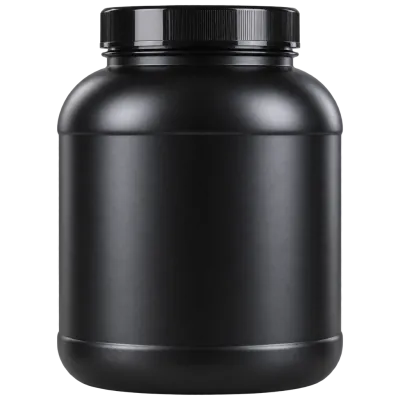 Matching productWhey Protein ConcentrateAmazon →
06
Step 6: Assess taste and mixability
Taste is individual, and what one person finds pleasantly sweet seems artificial or too intense to another. If possible, it is worth choosing a smaller pack or a trial size before you commit to a larger quantity.
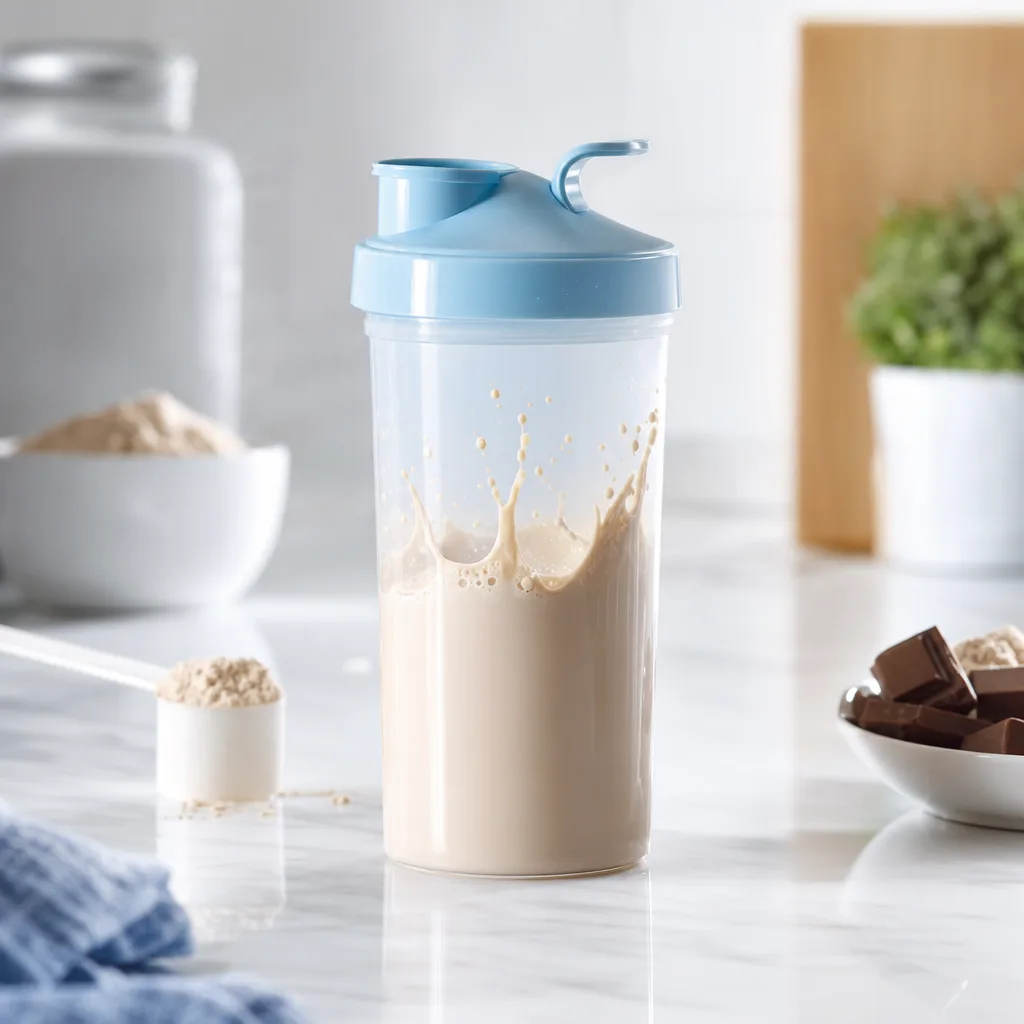
Besides taste, mixability also plays a role: some powders dissolve completely with a simple shaker, while others tend to form lumps, especially when mixed only with water rather than in a blender. How to avoid lumps and which base liquid is suitable is explained in the article preparation. If you are unsure which flavour suits you, a neutral or mild flavour can also be a good first choice, as it is easier to combine with different ingredients than a very intense one.
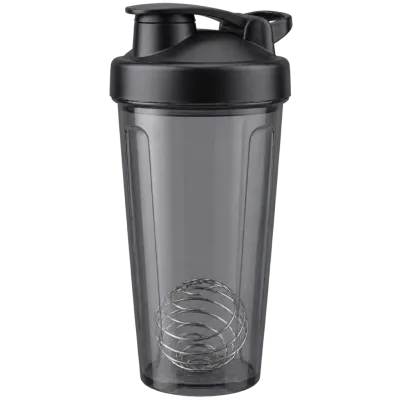 Matching productShakerAmazon →
07
Step 7: Pack size and shelf life
Larger packs are often cheaper per serving, but they are only worthwhile if you use the product regularly and always like the taste. Once opened, powder generally keeps for several months if stored dry, cool and tightly closed, whereas opened bars or those with a soft consistency should be used up more quickly.
Pay attention to the best-before date and the storage instructions on the packaging. A tightly closing container or the original sealed tub helps keep out moisture, which can otherwise cause the powder to clump. If you have several products open at the same time, it is worth labelling them clearly with the opening date, so that even with several opened packs you keep track of which one should be used up first.
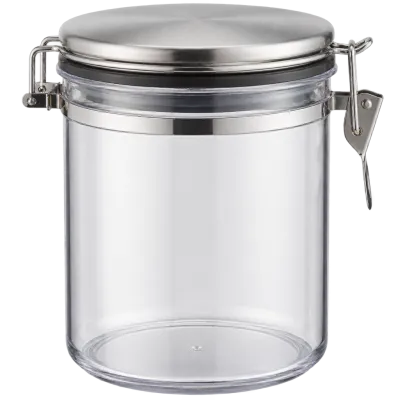 Matching productPowder Storage ContainerAmazon →
08
Checklist before buying
| Criterion | Protein powder | Protein bar |
|---|---|---|
| Typical protein content | about 60 to 90 g per 100 g | usually 15 to 30 g per bar |
| Preparation | mix with liquid | ready to eat, no preparation |
| Practical on the go | shaker needed | ready to use straight away |
| Sweeteners | often included | often included |
| Shelf life after opening | usually several months if stored dry | usually shorter, see packaging |
Before you decide on a specific product, you can go through these points once more:
- Goal for use clarified: shake, snack or meal replacement
- Protein source suits your diet and tolerance
- Protein content per 100 grams or per bar checked
- Ingredients list and sweeteners read through
- Lactose and vegan suitability clarified, if relevant
- Taste tested in a small quantity if possible
- Pack size and shelf life chosen to match your own consumption
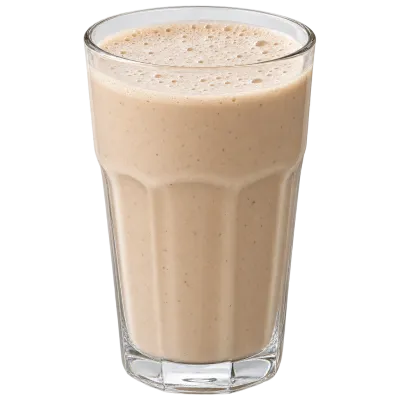 Matching productMeal Replacement ShakeAmazon →
09
Frequently asked questions
Is a protein bar equivalent to a protein shake
Both can provide protein, but they differ in composition and practicality. A bar usually also contains more carbohydrates and fat and often provides less protein per serving than a typical shake, but it can be used on the go without any preparation.
How do I recognise artificial sweeteners in the ingredients list
Sweeteners are named in the ingredients list, often as sugar alcohols such as erythritol or xylitol, as steviol glycosides from stevia, or as synthetic sweeteners. A look at the full ingredients list shows more reliably what is included than a claim on the front of the packaging.
How long does opened protein powder keep
That depends on the product and how it is stored; in general, powder stored dry, cool and tightly closed is often considered suitable for several months. The information on the packaging is always what counts.
Is every protein powder suitable for baking
Not every powder behaves the same way when baking, as binding behaviour and taste differ depending on the protein source and recipe. You will find more specific tips on baking and cooking with protein powder in our article on preparation. A detailed buying guide also helps you find a product that suits your preferred use.
Explore
Read next
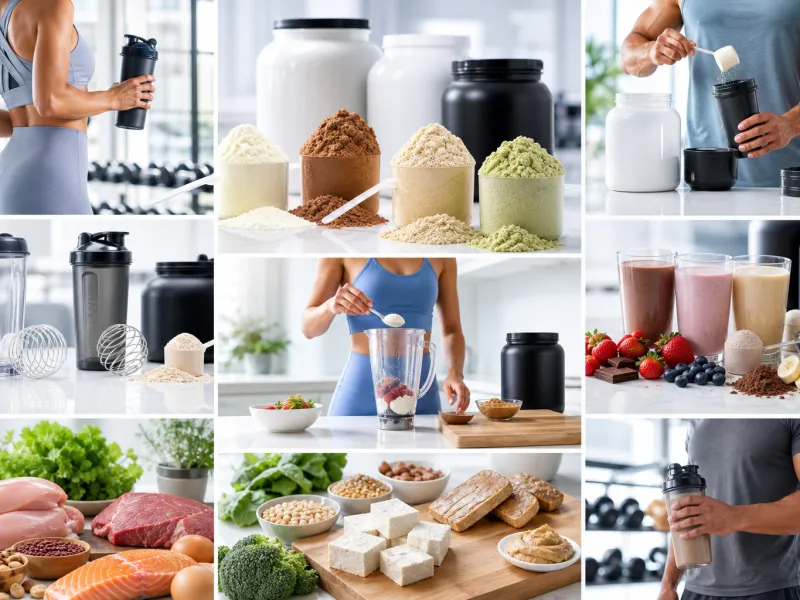 Protein types at a glance: whey, casein, plant-based and moreAn overview of all common protein types from whey to collagen, with a comparison table and links to detailed guides.
 Amino Acids: The Building Blocks of ProteinStructure, classification and functions of amino acids at a glance, with a table of all 20 proteinogenic amino acids and links to all guide…
 Supplements for Sport and Fitness: A Factual OverviewAll supplement categories at a glance, with the evidence rated from good to thin, plus safety and buying tips.