
6 min read
Carbohydrate Bars: Function, Use and Composition
What makes a carbohydrate bar, how it differs from a protein bar and an energy gel, and when using one in sport makes sense.

A carbohydrate bar delivers mainly one thing: quickly available energy in compact form. It is aimed at anyone who wants to top up carbohydrates with little effort during prolonged exertion, such as endurance sport, hiking or a long journey.
This guide explains what makes a carbohydrate bar, how it differs from a protein bar and an energy gel, when using one makes sense and what to look for on the ingredient list.
01
What is a carbohydrate bar?
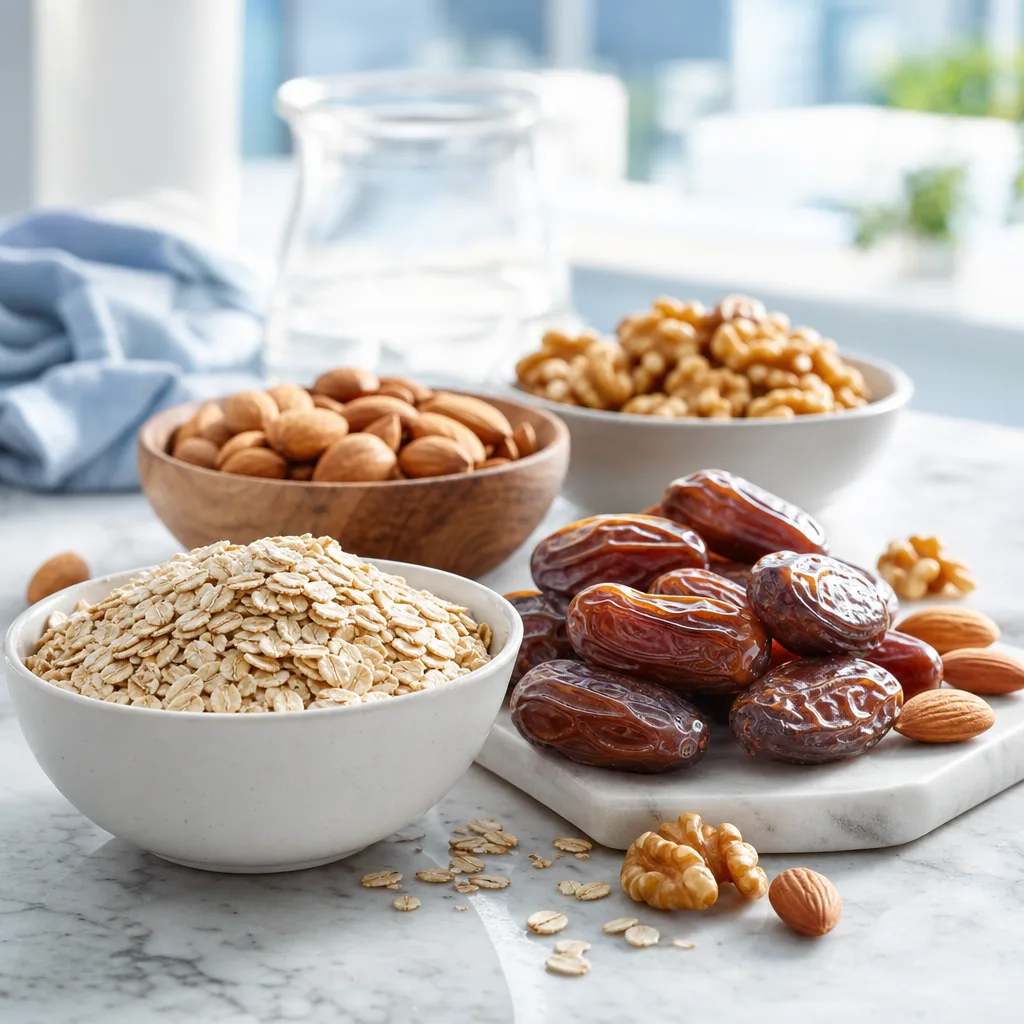
A carbohydrate bar consists mostly of fast and medium-speed carbohydrates, for example from rolled oats, cereal flakes, dried fruit, honey or glucose syrup. The protein content is low compared with a protein bar; the focus is clearly on providing energy. Many bars also contain some fat and fibre from nuts or seeds, which affects the texture and keeps you fuller for longer.
Unlike a classic confectionery product, a carbohydrate bar is usually put together so that its carbohydrates stay available over a certain period, rather than making blood sugar rise sharply for only a short time. This depends heavily on the exact recipe, which is why a look at the ingredient list is more useful than relying on the product name alone.
 Matching productRice CakesAmazon →

02
Carbohydrate bar or protein bar: the difference
The name already reveals the basic orientation: a carbohydrate bar delivers energy primarily in the form of carbohydrates, whereas a protein bar contains a considerably higher share of protein. Carbohydrates supply the muscles with energy during exertion, while protein plays a role mainly in recovery and in maintaining muscle after training.
This also results in a different timing of use: a carbohydrate bar is often eaten before or during longer exertion, a protein bar more often afterwards or as a protein-rich snack in between. This is not a strict separation, though; both kinds of bar can be used flexibly depending on personal needs.
On the pack, the difference can usually be read from the nutrition table: if the carbohydrate share clearly dominates and the protein share is low, it is a classic energy bar. If it is the other way round, with a noticeably higher protein share per bar, it is more of a protein bar. Some products deliberately sit in between and combine both nutrients in a moderate ratio, which makes them a versatile snack for different situations.
 Matching productProtein PuddingAmazon →
03
Bar or gel: which suits which situation
Besides bars there are energy gels, which fulfil a similar function but are built differently. Gels consist of a concentrated carbohydrate source, usually liquid to gel-like, and are generally absorbed by the body faster than a solid bar, which first has to be chewed and digested. This makes gels practical for short, intense efforts, whereas bars suit longer sessions with a bit more time to eat.
A bar also has the advantage of giving a certain feeling of fullness along the way and sitting more firmly in the stomach, which some athletes find more pleasant during very long efforts. A gel, in turn, can be taken faster and without chewing, which can be more practical at high intensity, for example during a competition. Which variant fits better is ultimately a matter of individual preference and the exertion situation at hand.
| Form | Typical use | Absorption speed |
|---|---|---|
| Carbohydrate bar | before or during longer exertion, on the go | medium, depending on ingredients |
| Energy gel | during short, intense exertion | fast |
| Protein bar | after training, as a protein-rich snack | more relevant for recovery |

04
When carbohydrate bars make sense in everyday life
Carbohydrate bars are not used only in sport. They suit as a compact, easily transported snack for situations with increased energy needs or little time for a regular meal, such as on longer journeys, during a house move, in an exam period or in strenuous physical work. The important thing is to see the bar as a situational supplement and not as a permanent replacement for balanced meals.
For endurance sport such as long runs, cycling or hiking, carbohydrate bars are a common choice because they are easy to carry and need no preparation. Anyone who wants to work out the right timing around training in more detail will find further information in the guide on protein timing, which also covers the interplay of carbohydrates and protein.
For shorter training sessions of under an hour, extra carbohydrate from a bar is usually not necessary, as the body's own stores are generally enough. Only with longer or particularly intense exertion does topping up from outside become noticeably helpful for many people, although individual tolerance and the feeling of fullness during exercise can vary greatly.
05
What to look for when buying
Rather than going by advertising claims, it is worth looking at the ingredient list. It shows whether the bar consists mainly of grains, dried fruit and natural sugar sources or contains a lot of glucose syrup and additives. Neither is wrong in principle, but it should suit your own goal. If you tolerate and value plenty of fibre, look for bars with a wholegrain share; if you want fast availability during sport, choose easily digestible carbohydrate sources.
If you have intolerances, it is also worth checking closely for nut or grain ingredients. Since carbohydrates can contribute to weight gain to differing degrees depending on activity level, a bar makes most sense when there is genuinely an increased energy need, for example from training or physical effort, and less as a casual snack in a sedentary day.
 Matching productQuinoaAmazon →
06
What the research says
There is a broad sports science basis for the effect of carbohydrates during prolonged athletic exertion: sufficient carbohydrate intake can help maintain performance over the duration of the effort once the body's own glycogen stores run low. How much of it is taken in as a bar, as a gel or through normal foods plays a minor role for the basic effect, as long as the total amount and the timing are right.
The evidence is less clear for individual additives that some bars advertise, such as certain extracts for supposedly better utilisation. Such additives are usually present only in small amounts, and their independent effect is hard to separate from the effect of the carbohydrates themselves. A carbohydrate bar also does not replace a balanced diet, but supplements it situationally where a regular meal is not practical.
07
Frequently asked questions
Do carbohydrate bars make you fat?
Like any carbohydrate-rich food, bars contribute to weight gain in a lasting calorie surplus. Within an active lifestyle with matching energy needs, a bar as an occasional energy source is unproblematic.
Are carbohydrate bars only meant for athletes?
No, they suit any situation with increased energy needs or little time for a meal. In a sedentary day without particular exertion, a regular, balanced meal is usually the better choice.
How does a bar differ from an energy drink?
A bar delivers carbohydrates in solid form with a certain feeling of fullness, a drink delivers them in liquid form and usually more quickly available. You can find more on sports drinks in the guide on sports drinks.
Can I make a carbohydrate bar myself?
Yes, many simple variants made from rolled oats, dried fruit and a little honey or nut butter can be prepared at home. That way you keep full control over the exact ingredients.
How many bars a day make sense?
There is no blanket number, as needs depend heavily on activity and overall diet. The serving recommendation on the pack serves as a rough guide; what matters is the view of your overall diet across the day.
Are carbohydrate bars suitable for people with diabetes?
People with diabetes should discuss eating such bars with medical professionals beforehand because of the sometimes high share of quickly available carbohydrates, in order to assess the blood sugar effect individually.
What role does fibre play in a bar?
Fibre from wholegrain, nuts or dried fruit slows the absorption of the carbohydrates somewhat and aids digestion. Directly before intense exertion, some people therefore prefer lower-fibre variants so as not to put extra strain on the stomach and gut.
 Matching productProtein DrinkAmazon →
Explore
Read next
 Protein types at a glance: whey, casein, plant-based and moreAn overview of all common protein types from whey to collagen, with a comparison table and links to detailed guides.
 Amino Acids: The Building Blocks of ProteinStructure, classification and functions of amino acids at a glance, with a table of all 20 proteinogenic amino acids and links to all guide…
 Supplements for Sport and Fitness: A Factual OverviewAll supplement categories at a glance, with the evidence rated from good to thin, plus safety and buying tips.