
6 min read
Combining Plant Protein Sources: How to Cover All Amino Acids
Grains and legumes complement each other ideally in amino acids. Here is how plant-based combinations work in everyday life.

Plant foods provide valuable protein, but most of them have a somewhat different amino acid profile compared with animal products. For health this is no disadvantage, as long as enough variety ends up on your plate over the day. If you understand how plant protein sources complement each other, you can meet your need for all essential amino acids without animal products, without having to plan every meal meticulously.
In this guide you will learn what a limiting amino acid is, why grains and legumes form a proven combination, which amounts are typically contained and what role is played by the widespread idea that every single meal has to be balanced in itself.
01
What a Limiting Amino Acid Means
Protein is made up of 20 different amino acids, nine of which are considered essential because the body cannot produce them itself and must therefore take them in through food. A food counts as a complete protein source if it contains all essential amino acids in a proportion favourable to human needs. If one amino acid is lacking in relation to the others, it is called the limiting amino acid of that food. It limits how well the body can actually use the protein present to build its own structures such as muscles, enzymes or hormones, even if a lot of protein has been taken in overall.
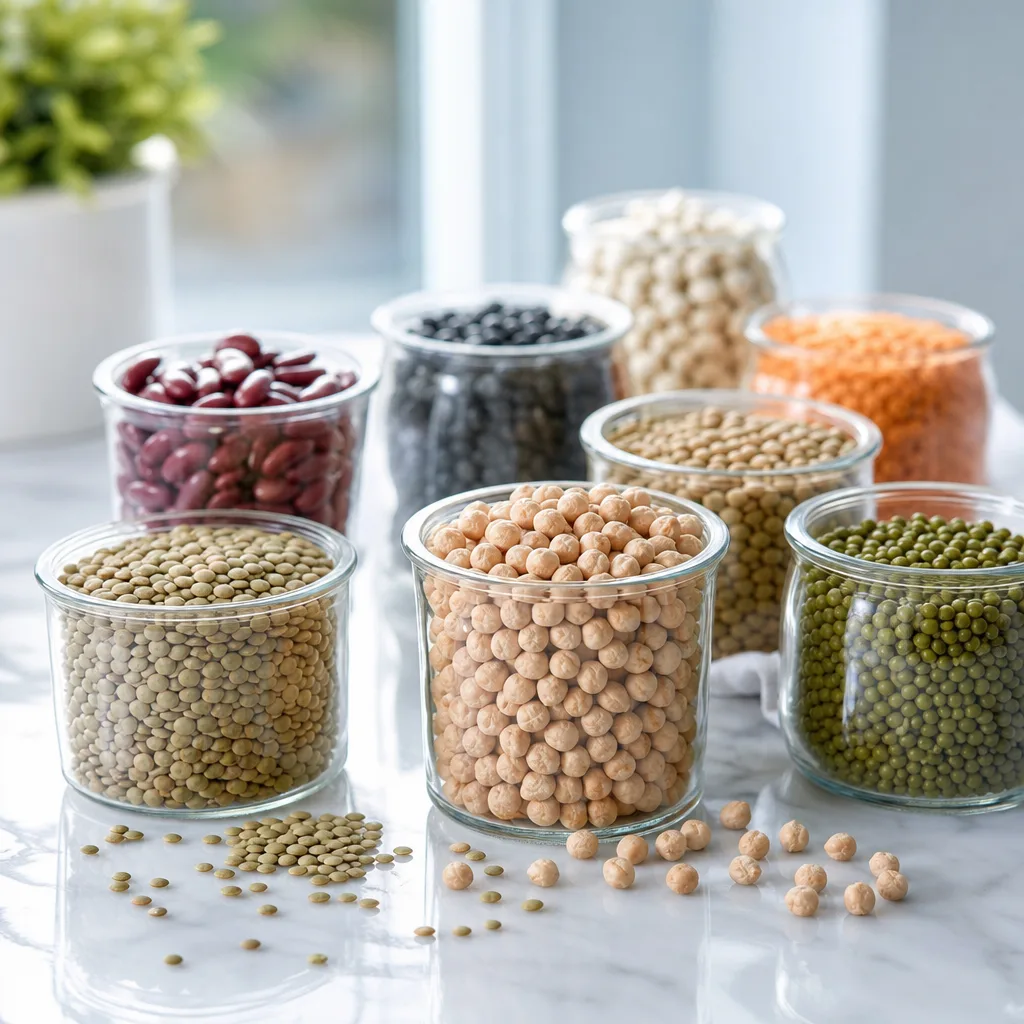
In grains such as wheat, rice or oats, lysine is usually the limiting amino acid, while legumes such as lentils, chickpeas or beans supply plenty of lysine but contain comparatively little of the sulphur-containing amino acids such as methionine and cysteine. This is exactly where the classic combination of grains and legumes comes in, because each of the two food groups makes up for the weaknesses of the other. The concept behind this is occasionally called amino acid complementation in nutrition science and is no new invention, but has long been part of traditional cuisines worldwide.
 Matching productGlycineAmazon →
02
How Much Protein Plant Foods Provide
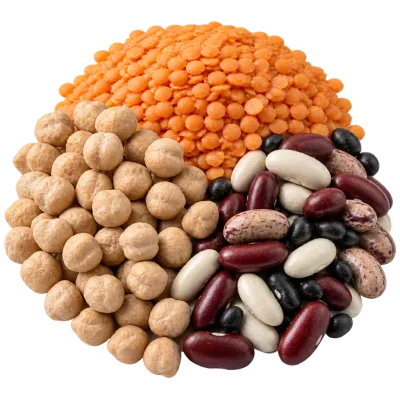
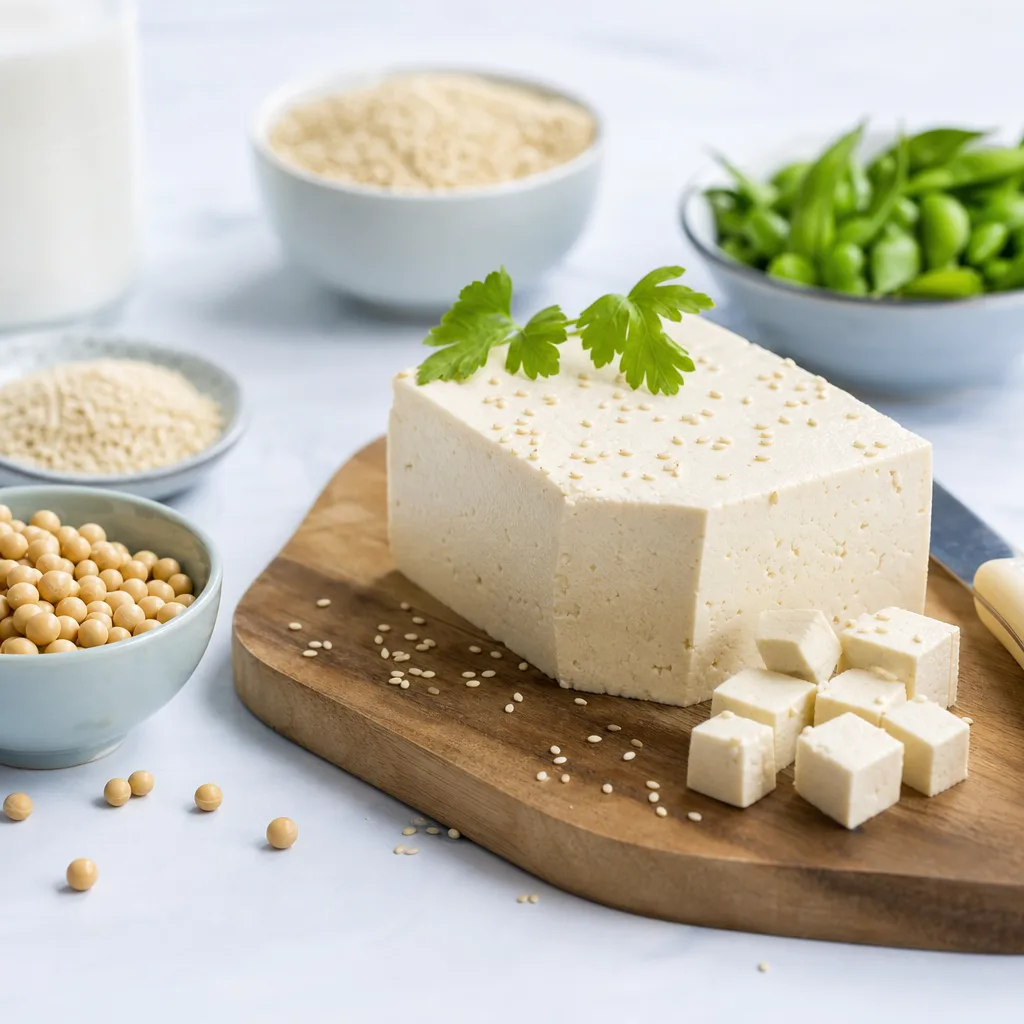
A look at typical amounts helps with putting things in context. Legumes such as cooked lentils provide about 9 g of protein per 100 g, and chickpeas and beans are in a similar range. Tofu comes to about 12 to 16 g of protein per 100 g depending on the type, while grain products such as wholegrain bread or brown rice usually contain considerably less protein per 100 g but provide important carbohydrates and fibre. Nuts and seeds contribute additional protein and bring healthy fats with them at the same time, which makes them a sensible addition as part of a sufficient protein supply.
These figures show that plant foods often provide somewhat less protein per 100 g than animal products in a direct comparison, but can be eaten in larger portions and also bring fibre, vitamins and secondary plant compounds. If you combine several portions of legumes, wholegrain products, nuts and soy products daily, you will easily reach a sufficient total amount of protein over the day.
 Matching productLegume SetAmazon →
03
Grains and Legumes as the Classic Duo
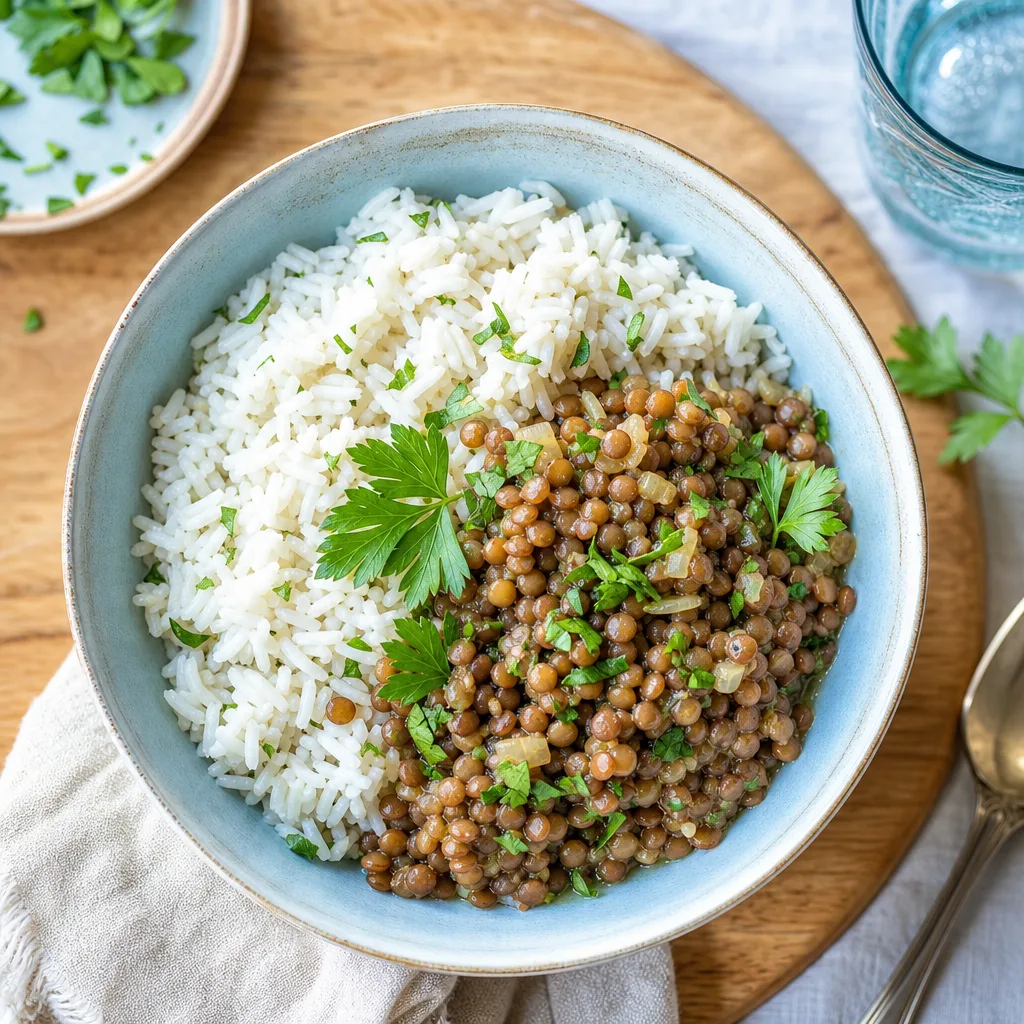
The combination of grains and legumes is found in many cuisines of the world, from rice with lentils and maize with beans to wholegrain bread with chickpea hummus. This is no coincidence, but has proven over generations to be a practical way of improving the protein quality of a plant-based diet, long before the term amino acid profile even existed. It is important to know that in practice this combination happens quite automatically when you cook with variety, and requires no special calculation.
Other combinations also make sense. Nuts and seeds often contain a different amino acid pattern from legumes, so a meal with lentils, brown rice and some pumpkin seeds already provides a broad base of essential amino acids. Soy takes a special position, as it is one of the few plant protein sources with a relatively complete amino acid profile, and therefore reaches a comparatively good biological value even on its own. If you regularly eat tofu, tempeh or soy products, you therefore have to worry less about combining with grains than with other plant protein sources.
 Matching productProtein PastaAmazon →
04
Examples of Sensible Combinations
The following table shows some proven everyday combinations that can be put into practice with little effort.
| Grain or pseudocereal | Matching legume or addition | Example dish |
|---|---|---|
| Brown rice | Lentils | Lentil and rice pan |
| Wheat (wholegrain bread) | Chickpeas | Bread with hummus |
| Maize | Black beans | Bean and maize salad |
| Oats | Soy yoghurt or pea protein | Porridge with protein powder |
| Couscous or bulgur | Chickpeas and nuts | Oriental salad |
Such dishes are easy to vary by swapping herbs, vegetables and spices while the basic structure of grain and legume stays the same. If you combine plant protein sources regularly, you will as a rule meet your need for essential amino acids without difficulty, even without exact calculation in everyday life.
 Matching productPea ProteinAmazon →
05
The Myth of Combining in Every Meal
For a long time the assumption persisted in nutrition advice that plant protein sources must be combined in the same meal for the body to use them properly. This idea dates from a time when it was assumed that the body could only use amino acids immediately after intake. It is now regarded as outdated. The body maintains a pool of free amino acids that is available over several hours, supplemented by the constant breakdown and rebuilding of the body's own proteins. Grains at lunch and legumes in the evening therefore complement each other for protein supply just as well as a shared meal. What matters is variety over the day, not the exact combination within a single portion.
In practice this means you do not need to worry whether a single meal is complete on its own. If you eat grain products, legumes, vegetables, nuts and seeds over the day, you will as a rule reach a sufficient supply of all essential amino acids, entirely without strict planning or tables on the kitchen table. This insight takes unnecessary pressure off many people who eat plant-based when planning their daily meals.
06
Practical Everyday Tips
A few simple principles help with easy implementation in everyday life. Regularly include legumes such as lentils, chickpeas or beans in your meals, combine them over the course of the week with different grains, and occasionally add nuts, seeds or soy products such as tofu or tempeh. A protein shake with plant-based powder can also be a practical supplement when there is little time to cook or when a meal is meant to be especially high in protein.
If you are new to plant-based eating, you do not have to memorise amino acid tables. It is enough to stick to a rough basic rule: plan in legumes as often as possible, prefer grain products in wholegrain form and add a handful of nuts or seeds in between. A colourful, varied kitchen with different vegetables, legumes and grains covers the amino acid variety almost automatically, without having to put together every single meal deliberately.
A look at the overview of high-protein foods shows how varied the plant-based options are. A comparison of different types of protein can also help to supplement your diet in a targeted way, for example when you do a lot of sport and your requirements are correspondingly higher.
 Matching productPeanut PasteAmazon →
07
Frequently Asked Questions
Do I have to eat grains and legumes in the same meal?
No. The body stores amino acids for several hours, so a combination over the day is enough.
Are plant protein sources less valuable than animal ones?
Not in principle. Individual plant foods often have a limiting amino acid, but variety can make up for this, so a complete supply is possible overall.
Is soy enough as the only plant protein source?
Compared with many other plant foods, soy brings a relatively complete amino acid profile, but variety with other sources is still sensible.
How many legumes should I eat per day?
This site sets no fixed target. In general, several portions of legumes per week are regarded as a sensible building block of a plant-focused diet.
What if I only like a few plant protein sources?
A sufficient supply can be achieved even with a smaller selection, as long as both legumes and grain products are regularly on the menu and the total amount of protein matches your own protein requirements.
Do I need special protein powders as a vegetarian or vegan?
That is not necessary. Protein powder can be a practical supplement, but it does not replace a varied diet with different plant protein sources.
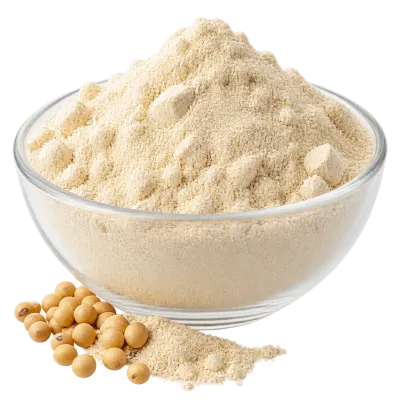 Matching productSoy Protein IsolateAmazon →
Explore
Read next
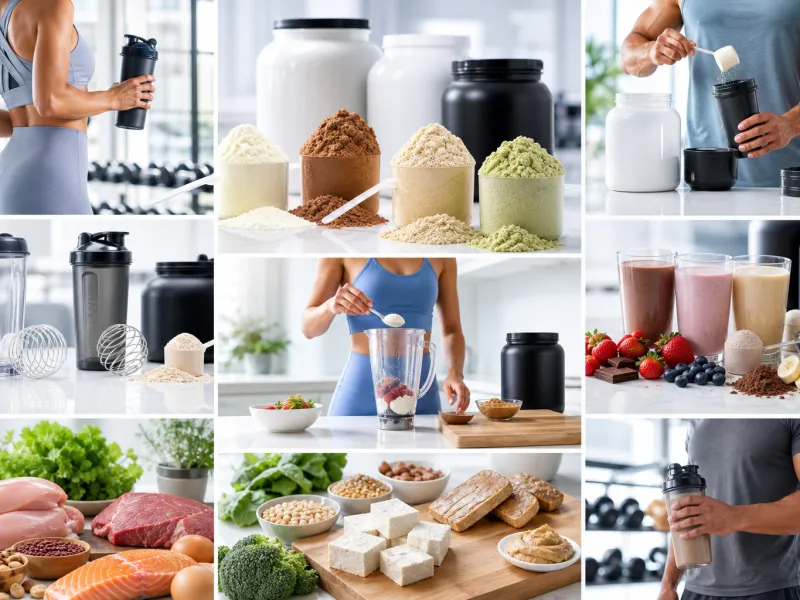 Protein types at a glance: whey, casein, plant-based and moreAn overview of all common protein types from whey to collagen, with a comparison table and links to detailed guides.
 Amino Acids: The Building Blocks of ProteinStructure, classification and functions of amino acids at a glance, with a table of all 20 proteinogenic amino acids and links to all guide…
 Supplements for Sport and Fitness: A Factual OverviewAll supplement categories at a glance, with the evidence rated from good to thin, plus safety and buying tips.