
6 min read
Glucosamine: Effects on Cartilage and Joints at a Glance
How glucosamine works in the body, which forms exist and what the evidence actually shows for its effect on joint complaints.

Glucosamine is a building block of cartilage tissue and one of the best-known dietary supplements for joint health. Anyone who exercises regularly will sooner or later come across the topic, often mentioned together with chondroitin.
This guide explains what glucosamine does in the body, how it differs from related substances such as chondroitin, which forms exist, how it is usually dosed and what research says about its effect.
01
What is glucosamine?
Glucosamine is a natural building block of cartilage, tendons and ligaments and an important component of the so-called proteoglycans, which bind water in cartilage tissue and so provide elasticity and shock absorption. The body produces glucosamine itself, but its own production tends to decline with increasing age.
As a dietary supplement, glucosamine is usually obtained from the shells of crustaceans, but there are also plant-based alternatives, for example from fermented maize, which come into question for people with a corresponding intolerance or a vegan diet. Anyone with a shellfish allergy should in any case seek medical advice before taking it and, where appropriate, choose a plant-based variant.

02
Glucosamine and chondroitin
Glucosamine is often mentioned together with chondroitin, since both substances occur in cartilage tissue and are often offered in combination in dietary supplements. Chondroitin is a larger molecule that also binds water and contributes to the structure of cartilage, but is chemically built differently from glucosamine. You can find more on this related substance in the guide on chondroitin.
Whether a combination of the two substances brings an additional benefit over taking glucosamine alone is assessed differently in research. Some studies see a slight advantage in the combination, others find no clear difference from taking them separately.
Overall diet also plays a supporting role for joint health. A balanced intake of nutrients involved in building connective tissue, for example enough protein-rich foods for collagen formation, sensibly complements any glucosamine intake, but does not replace a targeted medical assessment of existing complaints.
03
Forms of glucosamine
Different chemical forms of glucosamine are sold, differing mainly in solubility and in the amount of pure glucosamine they contain. The following table gives an overview.
| Form | Characteristic |
|---|---|
| Glucosamine sulfate | the form most often examined in studies |
| Glucosamine hydrochloride | higher share of pure glucosamine per gram |
| N-acetylglucosamine | chemically different form, less common in supplements |
Most scientific studies on the effect of glucosamine on the joints relate to glucosamine sulfate, which is why this form is most often found in dietary supplements. When buying, it is worth checking the exact name on the ingredient list.
Besides the question of the right form, it is also worth checking the total amount per serving when buying, as this can vary considerably between products. A higher concentration on the pack says nothing about the quality of the raw material, only about the amount contained, which should be guided by needs and by the amounts used in studies.
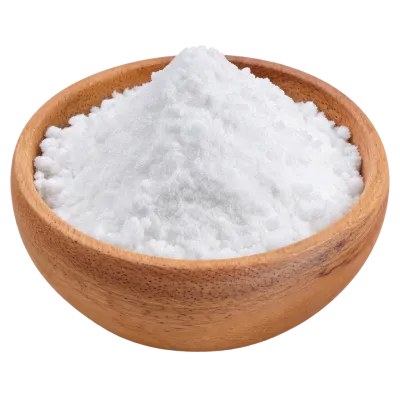 Matching productTaurineAmazon →
04
Who glucosamine may be of interest to
Glucosamine is sought mainly by people whose joints are under heavy strain, for example in strength sport, in running-intensive sports or in later life when the body's own production declines. Anyone also interested in other joint-related substances will find additional information in the guide on hyaluronic acid, which takes on a related but distinct function in the joint.
Existing joint complaints should always be checked by a doctor before starting a supplement on your own. Glucosamine cannot replace medical treatment, but at most be used as a complement.
Another point that can play a role when buying is the origin of the glucosamine used. Besides the classic extraction from crustacean shells, there are fermented, plant-based variants made independently of animal raw materials. For the basic effect in the body the origin makes no difference, as long as the amount of pure glucosamine contained is comparable, but it does for people with allergies or a vegan diet.
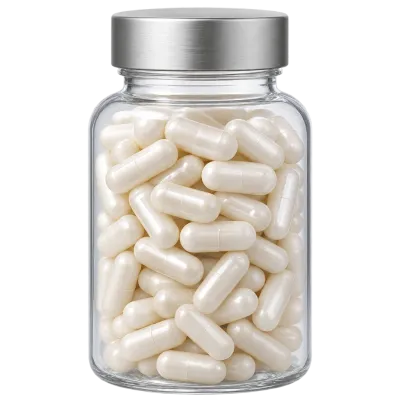 Matching productHyaluronic Acid CapsulesAmazon →
05
Glucosamine in the everyday life of athletes
Repeated load, for example from running, strength training or sports with many changes of direction, stresses the joints more than a mostly sedentary daily life. This does not automatically mean damage, but it makes joint health more relevant for active people. Besides a possible supplement, appropriate training, enough recovery and a healthy body weight also play an important role in long-term joint load.
Anyone who wants to look more comprehensively at fitness and load management will find further information in the section on endurance and fitness. Glucosamine can at most be a complementary building block here, but cannot replace well-thought-out training or gentle load management.
Body weight also plays a relevant role for joint load, since every extra kilogram acts on the joints several times over in stressful movements such as running or jumping. Anyone who keeps a weight that suits them through balanced nutrition and exercise takes additional strain off the joints, regardless of any possible supplement with glucosamine.
 Matching productRunning ShoesAmazon →
06
Dosage and tolerability
In studies, glucosamine was mostly used at a daily amount of about 1500 mg, partly split across several doses through the day, partly as a single dose. Before a possible effect becomes noticeable, many studies saw several weeks to months pass; a fast effect is rather not to be expected.
Tolerability is generally regarded as good; mild digestive complaints such as nausea or looser stools are occasionally reported. Pregnant and breastfeeding women should avoid glucosamine because of limited data, or have intake checked by a doctor beforehand. In diabetes, too, medical consultation makes sense, since effects on blood sugar are occasionally discussed.
 Matching productPowder Storage ContainerAmazon →

07
What the research says
Numerous studies exist on the effect of glucosamine on joint complaints, particularly in osteoarthritis, but their results are not consistent. Some studies show relief of complaints and improved mobility, others find hardly any difference from a placebo. This is partly attributed to different study designs, the forms of glucosamine used and the groups of people examined.
For healthy, athletic people without existing joint complaints, the preventive effect of taking glucosamine is less clearly documented scientifically than its use for existing complaints. No guarantee of a particular effect can be derived from current evidence, which is why glucosamine should be understood as a possible supplement and not as a reliable remedy against joint wear.
08
Frequently asked questions
How quickly does glucosamine work?
In studies, changes were often observed only after several weeks to months of regular intake. A short-term effect like that of a painkiller is not to be expected from glucosamine.
Can glucosamine prevent an artificial joint replacement?
Such a connection is not documented scientifically and should not be understood as a promise. With advanced joint complaints, medical professionals decide on the appropriate treatment.
Is glucosamine suitable for vegans?
Classic glucosamine from crustacean shells is not vegan, but there are plant-based products, for example from fermented maize, that can be an alternative.
May I take glucosamine long term?
Many studies examined intake periods of several months to a few years; longer-term data is limited. With continuous intake, occasional medical consultation makes sense.
Does glucosamine work for every kind of joint pain?
No, the evidence mainly relates to certain forms of joint wear. For other causes of joint pain, a medical check of the exact cause is the more sensible first step.
Can I combine glucosamine with painkillers?
In some cases a combination is used under medical supervision; combining them on your own without consultation should be avoided, especially with regular use of painkillers.
Does glucosamine replace joint-friendly training?
No, adapted training design and enough recovery remain decisive for joint health. Glucosamine can at most complement these basics, not replace them.
Does glucosamine work the same in everyone?
No, individual response varies noticeably, which also explains the mixed evidence. Some people report noticeable relief, others notice no clear difference.
Explore
Read next
 Protein types at a glance: whey, casein, plant-based and moreAn overview of all common protein types from whey to collagen, with a comparison table and links to detailed guides.
 Amino Acids: The Building Blocks of ProteinStructure, classification and functions of amino acids at a glance, with a table of all 20 proteinogenic amino acids and links to all guide…
 Supplements for Sport and Fitness: A Factual OverviewAll supplement categories at a glance, with the evidence rated from good to thin, plus safety and buying tips.