
7 min read
High-Protein Breakfast: Ideas with Quark, Eggs and Porridge
From quark and eggs to porridge with protein powder: how to build a high-protein breakfast, with typical amounts.

Breakfast is often neglected when it comes to protein supply, yet the first meal of the day is a good place to lay a solid base of protein. Many classic breakfast habits such as bread with jam or sugary muesli provide mainly carbohydrates, while protein often falls short.
This guide shows you which foods make it easy to put together a high-protein breakfast, from quark and skyr to eggs and legumes and porridge with protein powder, each with typical amounts as a guide.
01
Why Protein in the Morning Makes Sense
After the overnight break from eating, the body depends on nutrients from food. A breakfast with enough protein can help the meal keep you full for longer than a pure carbohydrate meal, since protein is digested more slowly than sugar and white-flour products. For people who pay attention to their protein distribution over the day, breakfast is also a good opportunity to cover part of the daily requirement early, rather than spreading the whole amount over lunch and dinner.
Many classic breakfast habits are heavily geared towards carbohydrates, such as bread rolls with jam, sweet muesli or a croissant. Such meals may fill you up in the short term, but for many people they lead to hunger again sooner, because simple carbohydrates are digested quickly and blood sugar drops correspondingly fast. If a protein source is deliberately planned in instead, this effect can be softened without having to change your whole breakfast habit.
 Matching productRice CakesAmazon →
02
Quark, Skyr and Cottage Cheese as a Base
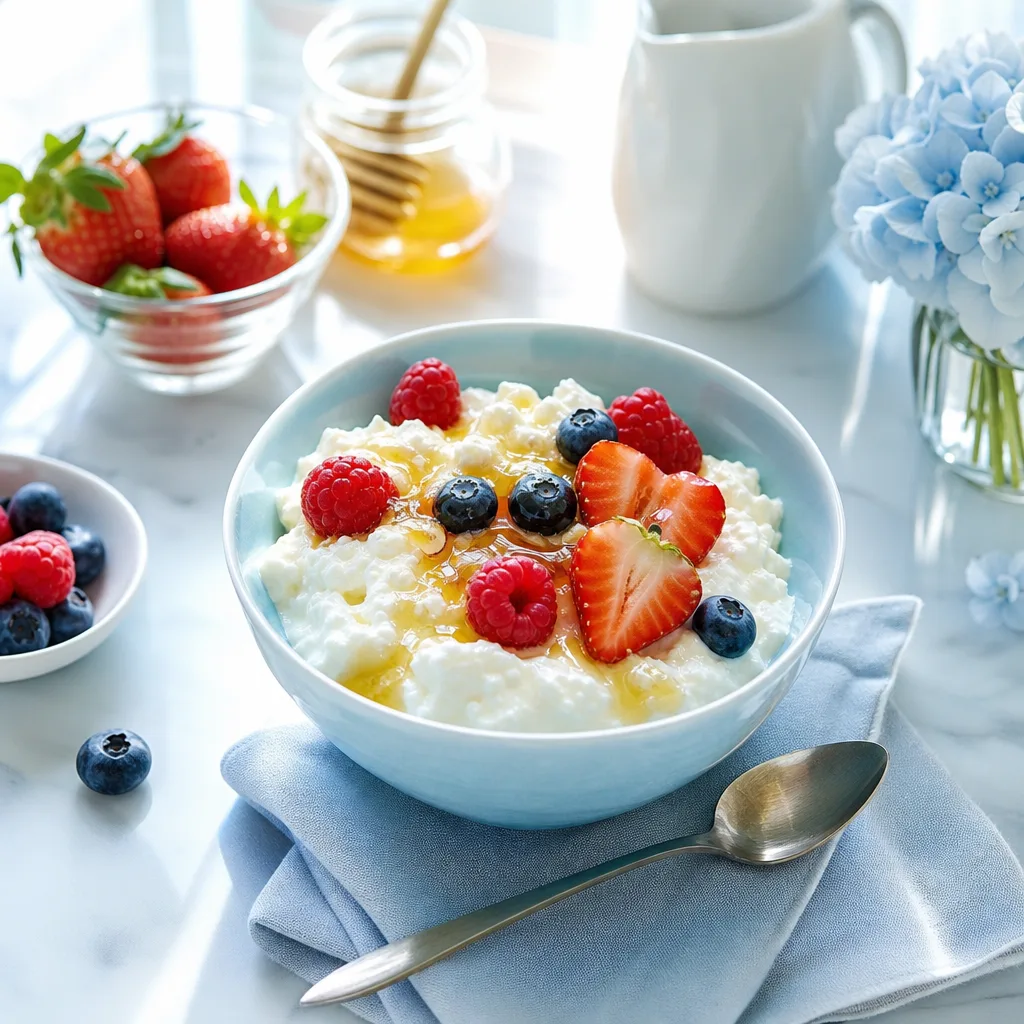
Dairy products are among the most practical high-protein breakfast options because they are available immediately without preparation. Low-fat quark provides about 12 g of protein per 100 g and can be stirred with fruit, rolled oats or a splash of milk into a creamy meal. Skyr, an Icelandic dairy product, brings a similar amount of protein and has a very creamy texture. Cottage cheese is another option with a grainy structure, which combines well with savoury ingredients such as tomatoes or herbs if you prefer a savoury breakfast.
A 200 g portion of low-fat quark or skyr already provides about 20 to 24 g of protein, which for many people makes up a good part of their morning protein intake. If you like, add nuts, seeds or a little honey without the protein content suffering.
These dairy products can also be portioned in advance, for example in small jars or tubs for the whole week, so that only toppings need to be added in the morning itself. If you are lactose-sensitive, lactose-free versions of quark and skyr are now also available in shops, which barely differ from the classic products in texture and protein content. You can read more on this in the article Lactose-Free Protein.
03
Eggs Prepared in Many Ways
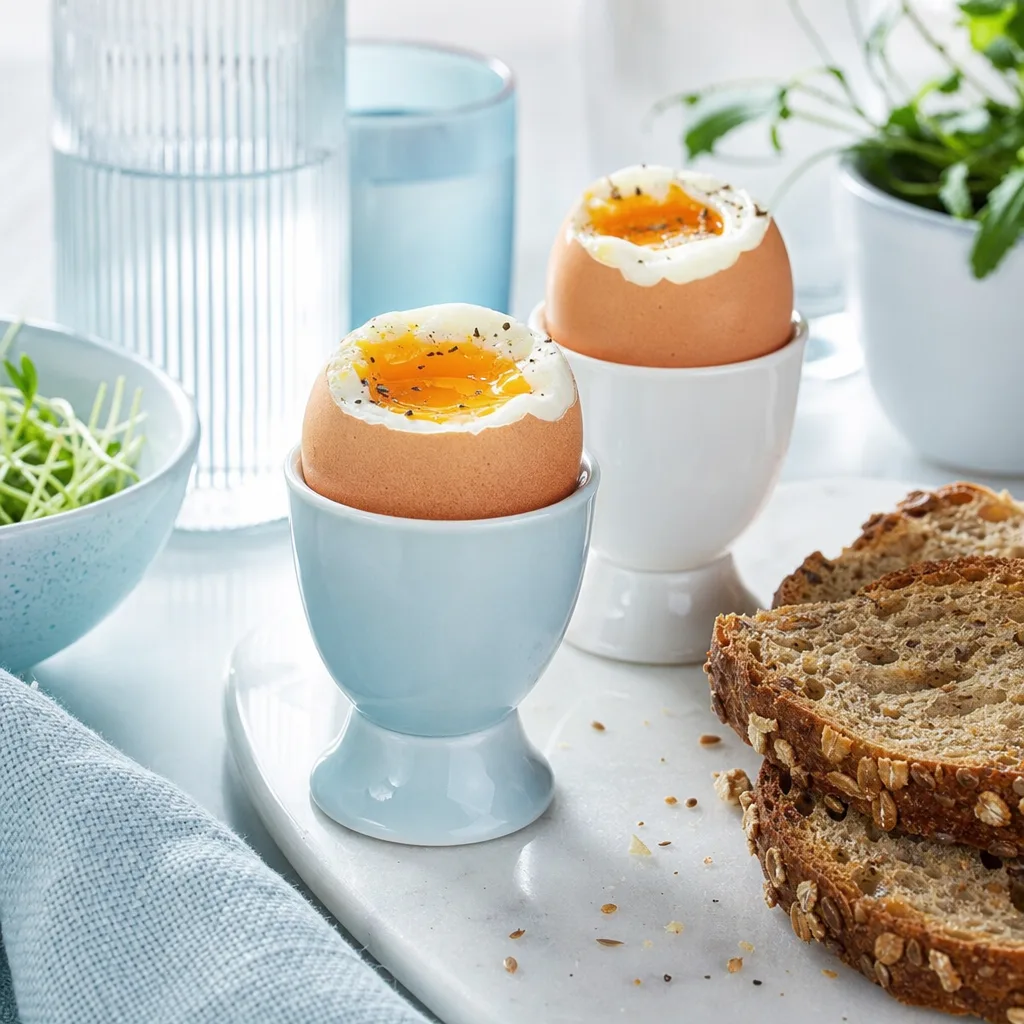
Eggs are among the classic breakfast proteins and provide about 13 g of protein per 100 g, which for a medium-sized egg corresponds to roughly 6 to 7 g. Whether boiled, scrambled or as an omelette, eggs can be prepared in many ways and combined with vegetables, wholegrain bread or legumes. Two to three eggs at breakfast together with a slice of wholegrain bread already provide a solid amount of protein to start the day.
Another advantage of eggs is their versatility in preparation. If you have little time, hard-boil eggs the evening before and take them cold, while on calmer mornings an omelette with vegetables and a little cheese is a warming, filling variation. Combining them with plant protein sources is also possible, such as scrambled egg with white beans or chickpeas, which brings additional fibre into breakfast and makes the meal even more filling.
 Matching productProtein Bread Baking MixAmazon →
04
Legumes for Breakfast
In many countries legumes are a matter of course at breakfast, for example as beans on a hearty breakfast plate. Here too, lentils or chickpeas can be worked into the morning, for example as a spread on wholegrain bread or as a side to a savoury breakfast with vegetables. Cooked lentils provide about 9 g of protein per 100 g and bring fibre that contributes to satiety. For anyone who prefers savoury to sweet in the morning, this variation is a welcome change from classic muesli.
A simple spread of pureed chickpeas, a little oil and spices can also be prepared at the weekend and used as a bread topping all week. If you like, combine legumes with an egg or some cheese as well, so that plant and animal protein complement each other sensibly in one meal, without any elaborate preparation in the morning itself.
 Matching productProtein PastaAmazon →
05
Porridge with Protein Powder
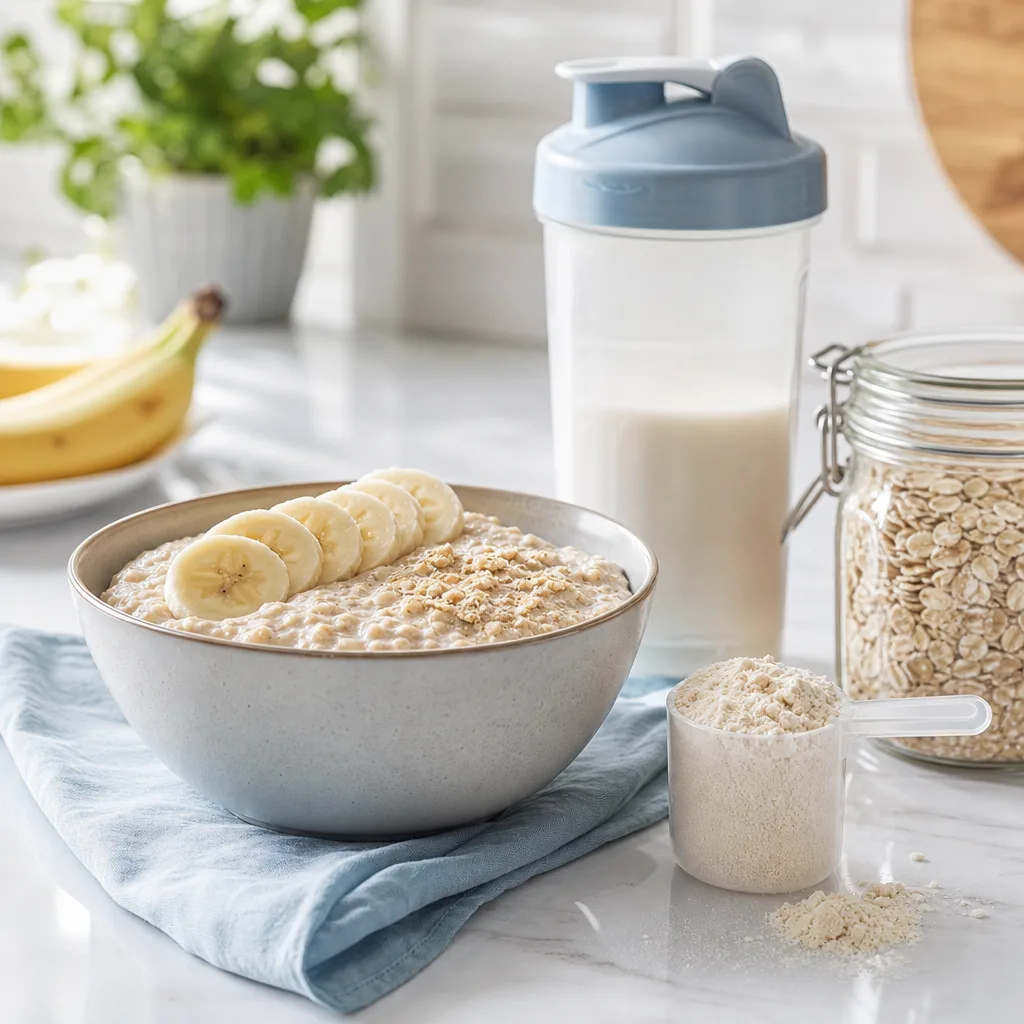
Rolled oats are a proven breakfast base but on their own provide only a moderate amount of protein. If a spoonful of protein powder is mixed into the porridge, for example based on whey, casein or plant protein, the protein content of the meal rises considerably. Depending on the type, protein powder brings about 70 to 90 g of protein per 100 g, so even a small portion makes a noticeable difference. If you like, stir the powder directly into the warm oat mixture or first mix it with a little liquid before folding it in, so that no lumps form.
This variation is particularly suitable for anyone who has little time in the morning but still wants a high-protein meal. You can find more on correct preparation in the guide on mixing protein shakes, whose basics also carry over to porridge.
A protein porridge can also be prepared well in advance, for example as an overnight version in which rolled oats, liquid and protein powder soak in the fridge overnight. In the morning only fruit, nuts or cinnamon need to be added. This method is particularly suitable for people who dislike cooking in the morning but still want a warm or at least filling meal.
 Matching productVitamin C PowderAmazon →
06
Examples with Typical Amounts
The following table shows some examples of a high-protein breakfast with typical amounts of protein.
| Breakfast idea | Main ingredients | Approximate protein |
|---|---|---|
| Quark with berries | 200 g low-fat quark, fruit, nuts | about 24 to 28 g |
| Skyr bowl | 200 g skyr, rolled oats, seeds | about 22 to 26 g |
| Scrambled eggs with bread | 3 eggs, 1 slice wholegrain bread | about 25 to 28 g |
| Savoury bean breakfast | 150 g beans, vegetables, bread | about 15 to 18 g |
| Protein porridge | 50 g rolled oats, 1 serving powder | about 25 to 30 g |
07
Preparing Breakfast for Stressful Mornings
If you have little time in the morning, you can prepare many high-protein options the evening before. A jar with rolled oats, milk or plant-based drink and some protein powder can be left to soak in the fridge overnight and taken with you straight away the next morning. Quark or skyr can also be prepared in portions, so that only fruit or nuts need to be added in the morning. If you regularly have breakfast on the go, the overview of high-protein foods has further ideas that travel well.
For the workplace or on the go, hard-boiled eggs, small portions of nuts or a ready-portioned quark are also particularly suitable, as they keep without refrigeration for a few hours without difficulty. If you work from home, on the other hand, you can take a little more time in the morning for freshly made scrambled eggs or porridge without it taking much effort. What matters in the end is finding a routine that fits into your everyday life for the long term, rather than cooking elaborately once and then giving up the habit again.
 Matching productPeanut PasteAmazon →
08
High-Protein Breakfast According to Preference
Not everyone likes the same thing in the morning. If you like it sweet, you might combine quark or skyr with fruit and a little honey or cinnamon, while lovers of savoury meals tend to reach for eggs, legumes or cottage cheese with vegetables. A mixed form is also possible, such as a savoury porridge with egg instead of the classic sweet version with fruit. Above all, the chosen option should fit into everyday life regularly and without much effort, because only a habit that is kept up over time contributes to protein supply in the long run.
 Matching productGlycineAmazon →
09
Frequently Asked Questions
How much protein should a breakfast contain?
There is no fixed target. Many people use about 20 to 30 g of protein at breakfast as a practical guide, matched to their individual protein requirements.
Is a high-protein breakfast also possible without animal products?
Yes, with legumes, plant-based protein powder, soy yoghurt and nuts, a high-protein breakfast can be put together even without animal foods.
Can I simply stir protein powder into porridge?
Yes, it is best to mix the powder with a little liquid and then fold it in, so that it distributes evenly and does not form lumps.
Does a high-protein breakfast replace other meals?
No, it complements a balanced diet across the day and should not be viewed in isolation.
Explore
Read next
 Protein types at a glance: whey, casein, plant-based and moreAn overview of all common protein types from whey to collagen, with a comparison table and links to detailed guides.
 Amino Acids: The Building Blocks of ProteinStructure, classification and functions of amino acids at a glance, with a table of all 20 proteinogenic amino acids and links to all guide…
 Supplements for Sport and Fitness: A Factual OverviewAll supplement categories at a glance, with the evidence rated from good to thin, plus safety and buying tips.