
7 min read
Protein types at a glance: whey, casein, plant-based and more
An overview of all common protein types from whey to collagen, with a comparison table and links to detailed guides.
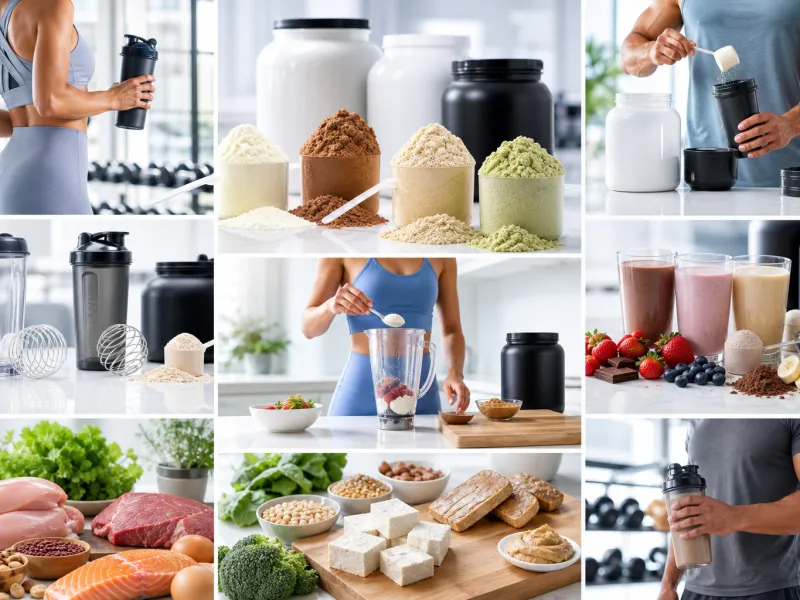
Protein comes from very different sources, from whey and egg to peas and hemp. This overview classifies the most important protein types you will encounter in powders, bars and supplements, and shows how they differ in origin, properties and use.
As a rule of thumb, animal protein sources such as whey, casein, milk protein and egg usually have a particularly complete amino acid profile, while plant sources such as pea, rice or hemp often only reach a similarly broad profile when combined with one another. Which protein type suits you depends on tolerance, diet and personal taste preferences, and you can read more in our buying guide.
All the protein types presented here can, in usual amounts and as part of a balanced diet overall, be part of a normal intake. People with kidney disease or other health restrictions should discuss the amount of protein they consume and the choice of suitable protein sources with medical professionals beforehand, as an individual assessment is necessary here.
01
Whey concentrate, whey isolate and whey hydrolysate
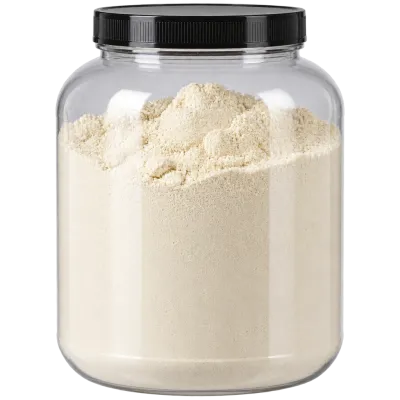
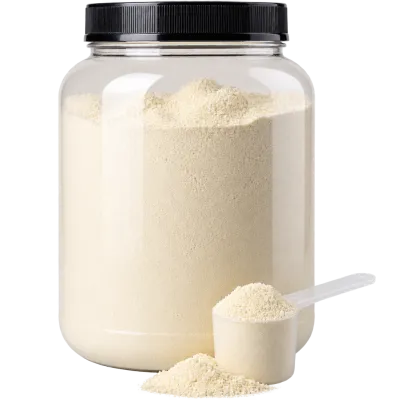
Whey protein comes from whey, a by-product of cheese making, and is one of the most widespread protein types. Whey concentrate is the least heavily filtered form and still contains some milk sugar and fat, which gives it a creamy taste. Whey isolate is filtered more heavily, so the protein content rises while lactose and fat fall. Whey hydrolysate is additionally pre-treated with enzymes, so the protein chains are already broken down into smaller building blocks. This is explained in detail in the whey protein guide.
 Matching productWhey IsolateAmazon →
02
Casein and milk protein
Casein is a milk protein like whey, but it is obtained differently and is characterised by clumping into a kind of gel in the stomach, so that it is digested only slowly. In sports science it is therefore sometimes mentioned for periods when no food follows for several hours, such as overnight. More on this in the casein guide. Milk protein refers to powders that combine whey and casein in the original ratio found in milk, and its absorption speed lies between the two individual proteins.
03
Egg protein
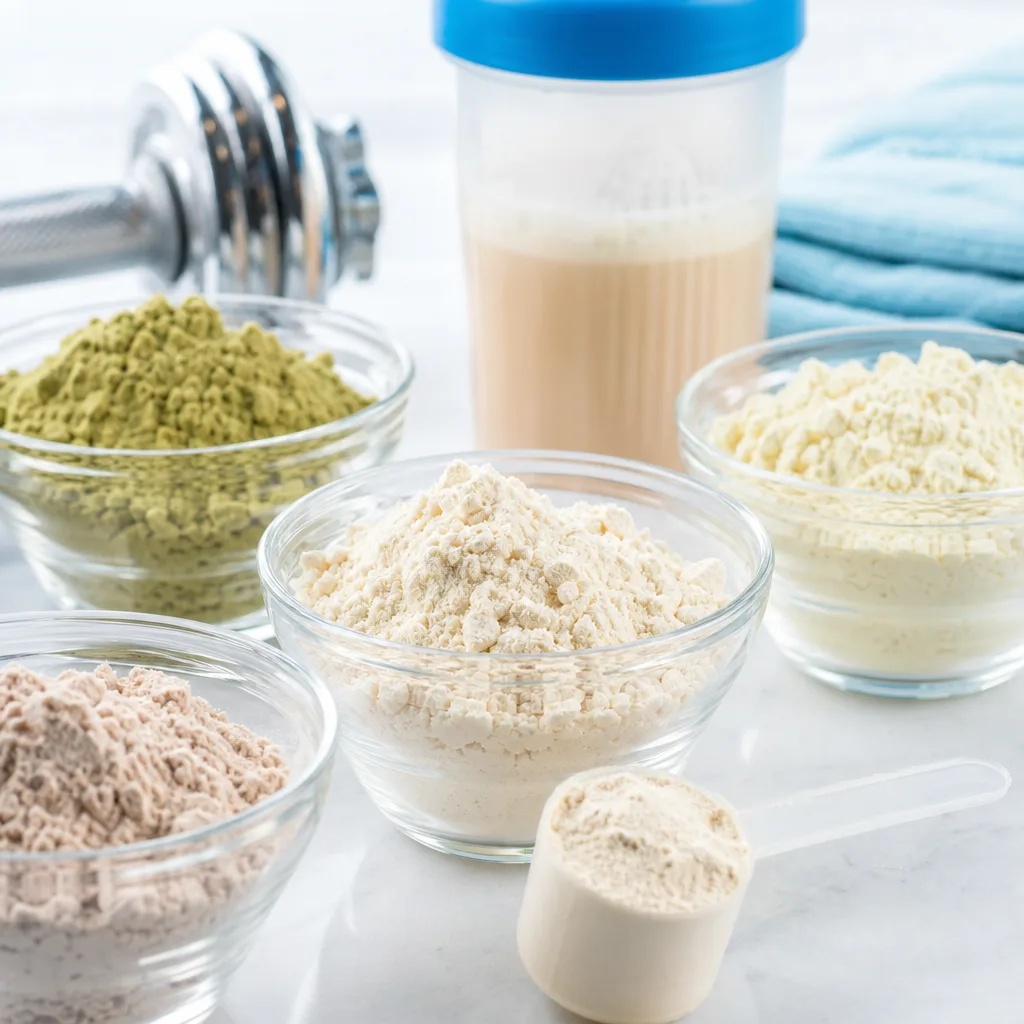
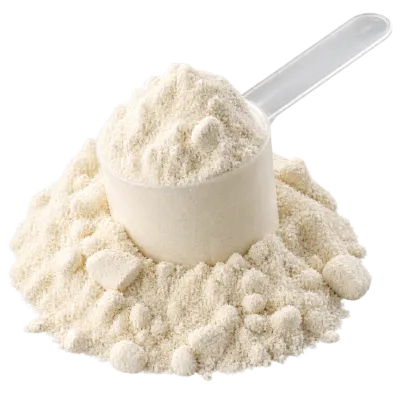
Egg protein is obtained from dried egg white and has long been regarded as the reference for a high-quality amino acid profile, since early rating systems often used egg as their benchmark. It contains no lactose and is therefore also suitable for people who avoid milk protein but are not looking for a dairy-free protein source of purely plant origin.
 Matching productEgg ProteinAmazon →
04
Soy protein
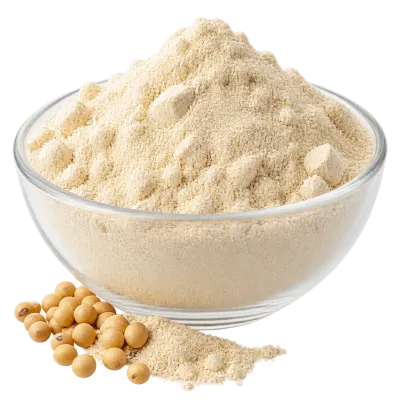
Soy protein is one of the few plant protein sources with a comparatively complete amino acid profile that comes relatively close to that of animal sources. It is obtained from defatted soybeans and is lactose-free and suitable for a vegan diet. Some people prefer other plant-based alternatives for reasons of taste or individual intolerances, and you will find more background in the guide to vegan protein.
 Matching productSoy Protein IsolateAmazon →
05
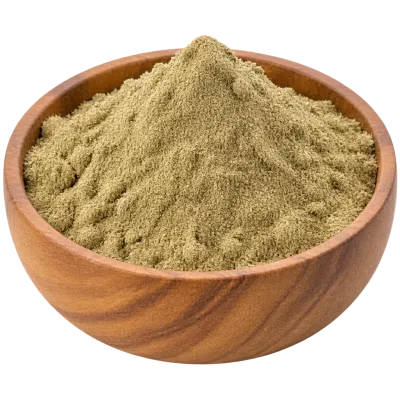
Pea protein, rice protein and hemp protein
Pea protein is obtained from yellow peas, is lactose-free, vegan and considered comparatively well tolerated, but naturally has a lower share of certain amino acids such as methionine. Rice protein complements this profile well, as rice is stronger in other amino acids, which is why the two are often used together. Hemp protein comes from hemp seeds, additionally contains fibre and fat, and has a strong, slightly nutty flavour of its own. How several plant sources can be combined sensibly is shown in the article combining plant protein sources.
 Matching productVegan Protein BlendAmazon →
06
Multi-component protein
Multi-component protein combines several protein sources in one powder, for example whey with casein or several plant sources with one another. The aim is usually to combine different absorption speeds or amino acid profiles. A detailed overview of the different approaches can be found in the protein powder comparison.
 Matching productMulti-Component ProteinAmazon →
07
Collagen protein
Collagen protein differs structurally quite clearly from the protein types mentioned so far, as it has a different amino acid profile and contains some essential amino acids only in small amounts. It is usually obtained from animal connective tissue and used primarily for its specific amino acids such as glycine and proline, less as a complete protein source for the general daily requirement. Explained in more detail in the collagen guide.
 Matching productCollagen PowderAmazon →
08
Clear whey
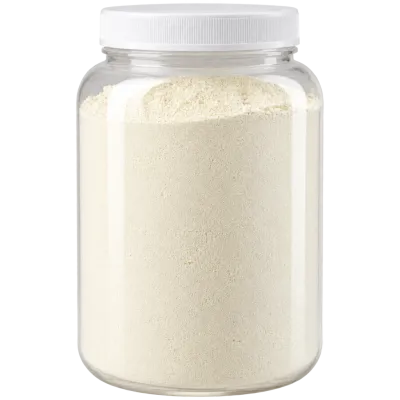
Clear whey is a particularly heavily filtered form of whey isolate or whey hydrolysate that contains hardly any fat or cloudy components. As a result it tastes fruity rather than milky and can be mixed with water instead of milk, which many find a refreshing change from the classic shake.
 Matching productClear WheyAmazon →

09
Protein bars and protein shakes as forms of use
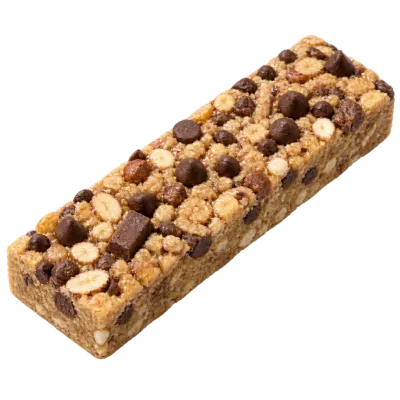
Almost all of the protein types mentioned can be used not only as a powder for a protein shake but also processed into bar form. Protein bars often use whey, milk protein, soy or pea, partly individually and partly as a multi-component blend, supplemented with binders and occasionally sweeteners. Which protein type is in a specific bar is revealed by the ingredients list, and you can read more in the protein bar guide and in the article reading a protein powder ingredients list.
When preparing a shake, mixability also plays a role alongside the protein type, that is, how easily a powder can be stirred into water, milk or a plant-based drink without lumps. Heavily filtered forms such as whey isolate or clear whey often dissolve more easily than concentrates or some plant powders, which need a little more stirring or shaking time. How to mix a shake properly in practice is explained in the article mixing a protein shake properly. The shelf life of powder also differs slightly between protein types, for example depending on fat content, which is why it makes sense to check the storage instructions on the packaging.
 Matching productProtein BarsAmazon →
10
Comparison table of protein types
| Protein type | Protein content per 100 g | Absorption speed | Lactose | Vegan | Taste |
|---|---|---|---|---|---|
| Whey concentrate | about 70 to 80 g | fast | some | no | creamy, milky |
| Whey isolate | about 85 to 90 g | fast | little | no | mild, less creamy |
| Whey hydrolysate | about 80 to 90 g | very fast | little | no | rather bitter |
| Casein | about 75 to 85 g | slow | some | no | thick, mild |
| Milk protein | about 75 to 85 g | medium | some | no | creamy, mild |
| Egg protein | about 80 to 90 g | medium | none | no | rather neutral |
| Soy protein | about 80 to 90 g | medium | none | yes | slightly beany |
| Pea protein | about 75 to 85 g | medium | none | yes | slightly earthy |
| Rice protein | about 75 to 85 g | medium | none | yes | mild, slightly grainy |
| Hemp protein | about 45 to 55 g | medium | none | yes | strong, nutty |
| Multi-component | about 70 to 85 g | depends on the blend | depends on the blend | depends on the blend | depends on the blend |
| Collagen | about 85 to 95 g | fast | none | no | rather neutral |
| Clear whey | about 80 to 90 g | very fast | very little | no | fruity, light |
The protein content figures are typical orders of magnitude and can vary depending on manufacturer and processing. They serve as a rough classification, not for comparing individual products.
 Matching productWhey HydrolysateAmazon →
11
Plant-based and animal: equivalent, but different
Animal and plant protein sources are fundamentally equivalent building blocks of a balanced diet. The difference usually lies not in quality as such, but in the fact that many individual plant sources score lower for certain amino acids and therefore benefit from combining several plant sources, for example legumes together with grains. How this can look in everyday life is explained in the article combining plant protein sources. Outside of powders, too, many foods provide substantial amounts of protein, and the page on high-protein foods offers an overview.
Rating systems such as the classic biological value and newer measures such as DIAAS and PDCAAS try to classify the quality of a protein source based on its amino acid profile and digestibility. Such measures are helpful for a rough classification of protein sources, but should not be overrated, since in everyday life it is mainly the overall composition of the diet across the day that counts, not the value of a single meal or a single product.
 Matching productQuinoaAmazon →
12
Which protein type suits you
If you tolerate dairy well and like a creamy taste, whey concentrate or milk protein is often an obvious choice. If you want to watch your lactose intake, whey isolate, clear whey or lactose-free variants offer an alternative, explained in more detail under lactose-free protein. For a vegan diet, soy, pea, rice, hemp and multi-component blends of several plant sources are suitable, with pea and rice complementing each other particularly well in their amino acid profile. If you are mainly interested in the specific amino acids of collagen, for example for tendons and connective tissue, you can choose collagen protein deliberately, but should not see it as a complete replacement for other protein sources, as its amino acid profile is too one-sided for that.
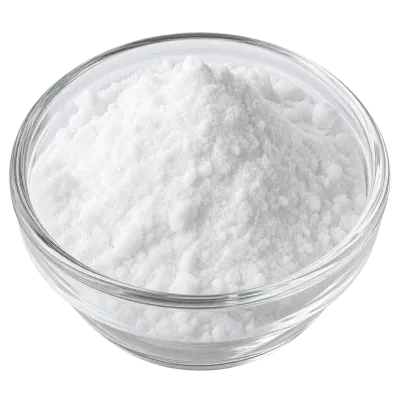 Matching productGlycineAmazon →
13
Frequently asked questions
Which protein type has the highest protein content
Heavily filtered forms such as whey isolate, whey hydrolysate, clear whey and collagen are often at the upper end of the range, while hemp protein usually has a lower protein share per 100 g because of the fibre and fat it contains.
Which plant protein type comes closest to animal protein
Among plant sources, soy protein is considered particularly complete in its amino acid profile. Other plant proteins usually only reach a similarly broad profile by combining several sources, for example pea with rice.
Is casein better than whey
Casein and whey are different, not fundamentally better or worse. Whey is absorbed quickly and casein slowly, which is why the two are used differently depending on the situation and personal preference.
Which protein type is suitable for lactose intolerance
Egg protein, soy protein, pea protein, rice protein, hemp protein and collagen naturally contain no lactose. For whey and casein it depends on the degree of filtration; clear whey and whey isolate contain only very little lactose.
Can you mix different protein types
Yes, mixing different protein types is common and is also used in ready-made multi-component products to combine absorption speed and amino acid profile.
 Matching productHemp ProteinAmazon →
Explore
Read next
 Amino Acids: The Building Blocks of ProteinStructure, classification and functions of amino acids at a glance, with a table of all 20 proteinogenic amino acids and links to all guide…
 Supplements for Sport and Fitness: A Factual OverviewAll supplement categories at a glance, with the evidence rated from good to thin, plus safety and buying tips.
 Training Plans: The Right Plan for Your GoalHow to use frequency, volume and progressive overload properly, and which training plan fits your goal and time budget.