
6 min read
Pre-Workout Boosters: Ingredients, Benefits and Context
What is in pre-workout boosters, which ingredients are really well supported and how to put them in realistic context.

Pre-workout boosters are among the most popular products in sports nutrition. They promise more energy, focus and performance right before training. Behind the colourful tubs there is usually a mix of a few well-studied ingredients and some additives whose benefit is less clearly established.
In this guide you will learn which ingredients are in typical pre-workout boosters, what research says about the individual components and what to watch for in intake and dosage.
01
What a pre-workout booster is meant to do
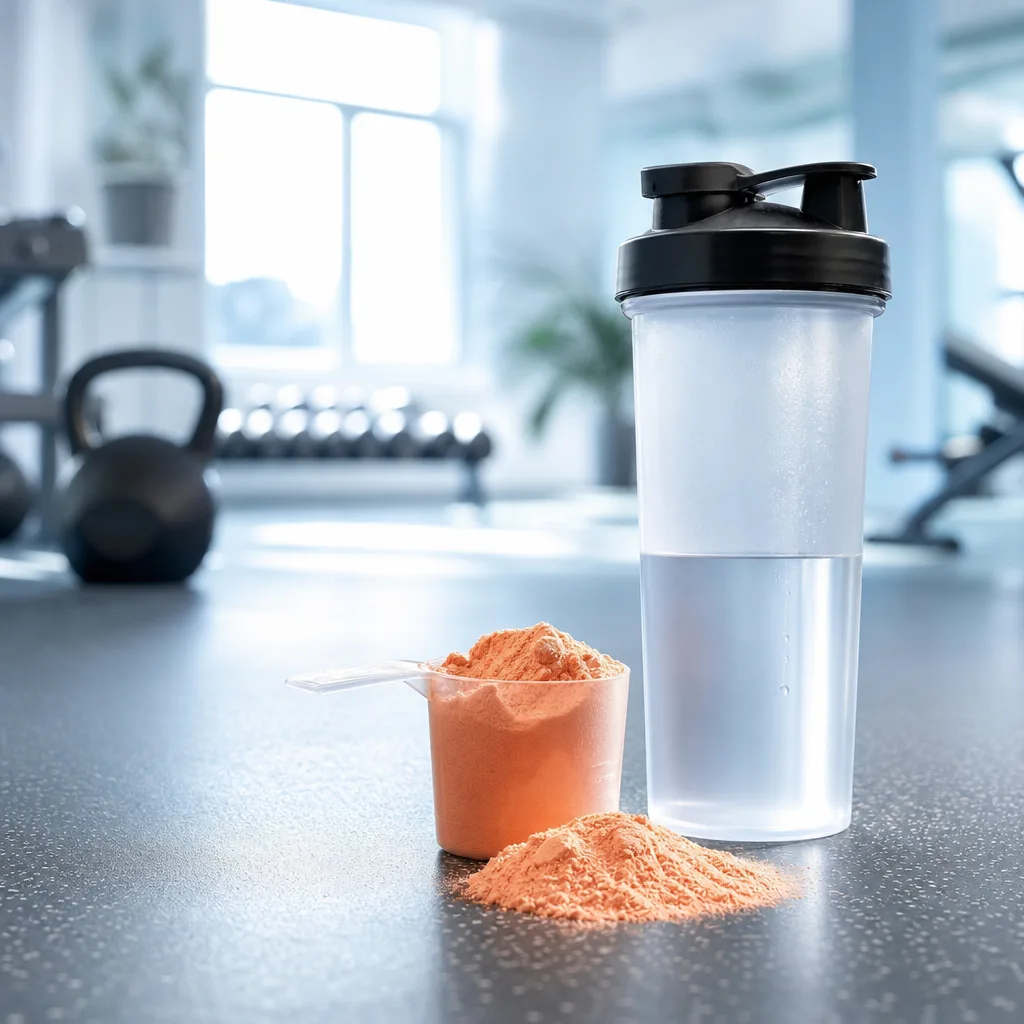
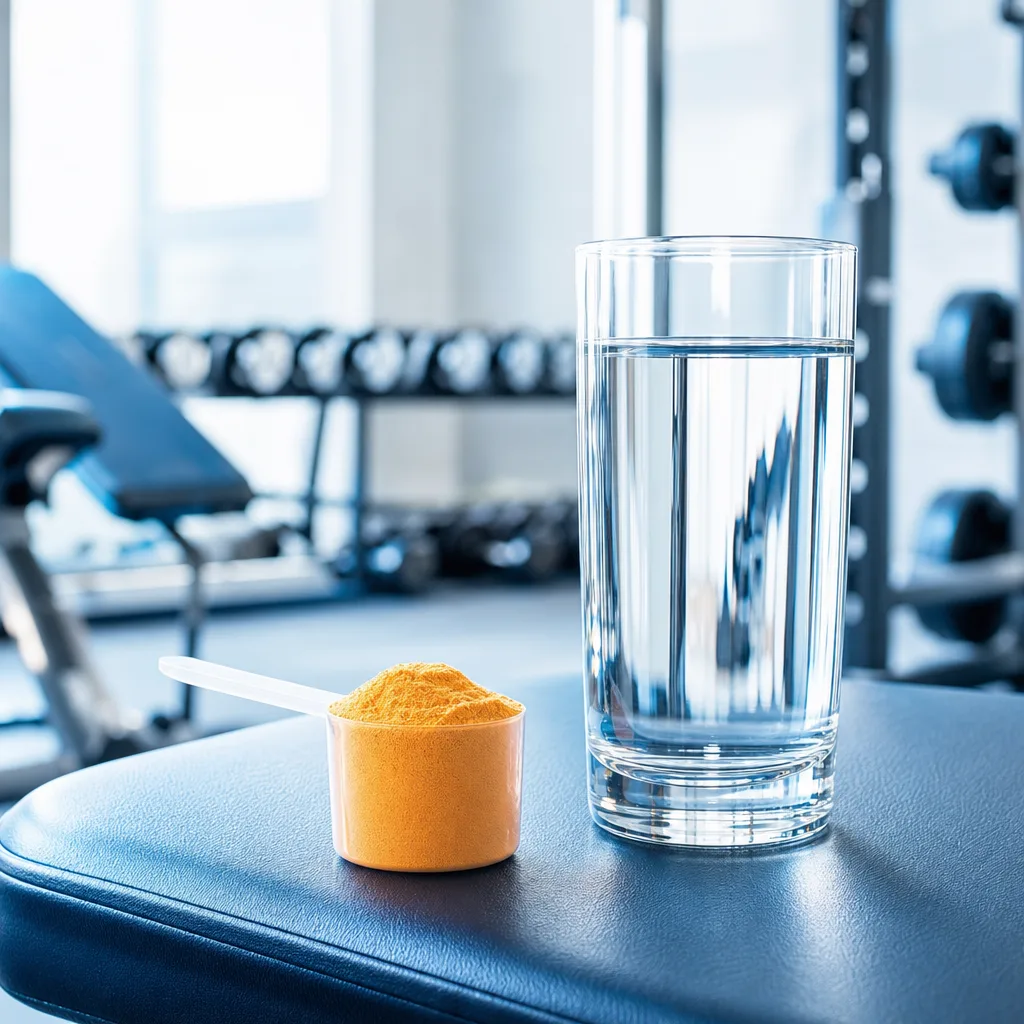
Pre-workout boosters are dietary supplements taken shortly before training, usually as a powder mixed with water. The aim is to raise perceived energy and concentration and thereby allow a more intense workout. They are not a miracle product for automatically better performance; at best they can help you make somewhat better use of a performance potential you already have. They are most common in strength training, but are also used in endurance and team sports.
The exact composition varies greatly from product to product, but the basic idea is usually similar: a combination of a stimulating active ingredient, a few amino acids that promote blood flow and other additives whose benefit is supported to varying degrees.
It is important to note that a pre-workout booster does not itself create energy in the physiological sense. It can raise perceived alertness and motivation and thereby indirectly help make a workout more intense, but it replaces neither sufficient sleep nor a fundamentally needs-based diet with enough carbohydrates and fluid.
02
Caffeine as the central ingredient
By far the best-studied ingredient in pre-workout products is caffeine. It can lower perceived exertion and thereby help a workout feel somewhat easier, which in many athletes can indeed lead to slightly improved performance. The effect usually sets in after about 30 to 60 minutes and, depending on individual metabolism, lasts several hours.
Caffeinated pre-workout products often contain a higher amount of caffeine than a usual cup of coffee, so follow the packaging instructions and, when using one for the first time, it is better to approach it slowly. Caution is advised if you are sensitive to caffeine, have cardiovascular conditions, are pregnant or breastfeeding, or train late in the evening, as caffeine can impair sleep.
Individual sensitivity to caffeine also varies greatly. Some people break the substance down comparatively quickly via a certain liver enzyme pathway, others much more slowly, so the same amount can act very differently in different people. A low starting dose helps you judge your own tolerance better.
 Matching productCaffeine TabletsAmazon →
03
Other common ingredients
| Ingredient | Presumed effect | Evidence |
|---|---|---|
| Caffeine | Alertness, lower perceived exertion | well established |
| Beta-alanine | Buffering at high repetition counts | moderately established |
| L-citrulline | Blood flow to the muscles | moderately established |
| Taurine | General performance support | mixed, limited |
| Guarana | Additional stimulant effect | essentially like caffeine |
Besides caffeine, beta-alanine and L-citrulline are among the additives most discussed in sports science. Beta-alanine is associated with the well-known tingling on the skin and is meant to support the buffering capacity of the muscle over many repetitions. L-citrulline is linked to improved blood flow to the muscles during training. For both substances, individual studies show positive tendencies, but so far there is no evidence as clear and consistent as for caffeine.
Taurine and guarana are also frequently added. Taurine is an amino sulfonic acid occurring in the body, whose additional benefit at the usual amounts in a portion of pre-workout powder has so far not been convincingly shown in research. Guarana essentially also supplies caffeine, often combined with other plant compounds, acts much like pure caffeine and should be counted when calculating total caffeine intake.
 Matching productBeta-AlanineAmazon →
04
Natural alternatives before training
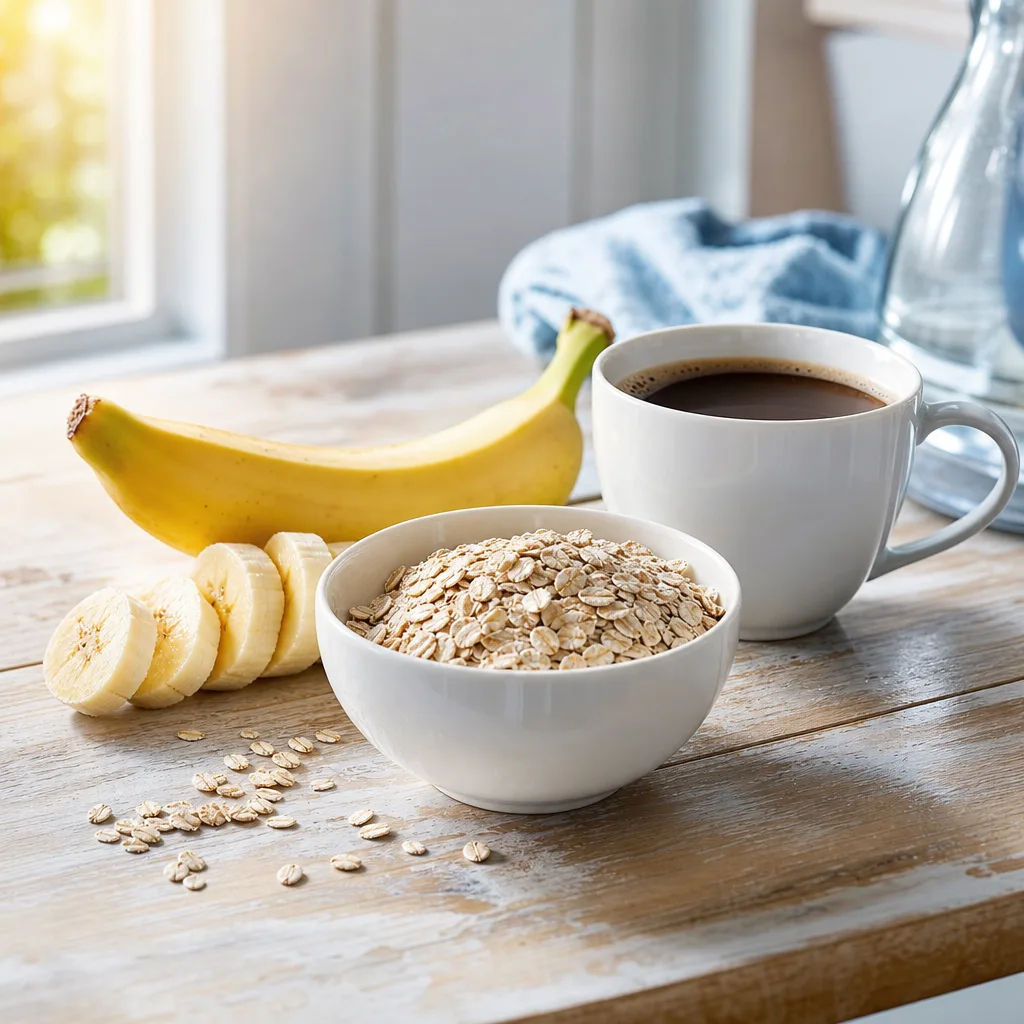
Not everyone needs a special powder product to be ready for training. A coffee or green tea also supplies caffeine, plus an easily digestible carbohydrate snack such as a banana or some oats for basic energy. You should also make sure to drink enough throughout the day, as even a slight fluid deficit can noticeably impair training performance.
If you regularly reach for a pre-workout product, make sure the total daily caffeine from all sources, that is, coffee, tea, energy drinks and boosters together, does not get too high. Dietary supplements do not replace a balanced diet, but can at most provide occasional support for training that is already well structured.
A good basic supply of minerals also plays a role in good training. Especially with heavy sweat loss on warm days or in very long sessions, an adequate intake of minerals and fluid can make more of a difference than an additional booster.
 Matching productProtein DrinkAmazon →
05
Dosage and timing
As a guide, many people take a pre-workout booster about 20 to 30 minutes before training; the exact amount depends on the packaging instructions of the respective product. A permanently very high dose is not recommended, as the body gets used to caffeine and the effect can fade over time. Occasional training days entirely without a booster help limit this habituation.
Side effects such as palpitations, nervousness, headaches or stomach complaints occur mainly with too high a dose. If you have pre-existing conditions or take medication, discuss use with a doctor beforehand.
Some products also contain sugar or sweeteners for taste and, in some cases, colourings. If you are sensitive to certain additives or generally want to keep sugar content lower, unsweetened or reduced-sugar variants are now available too.
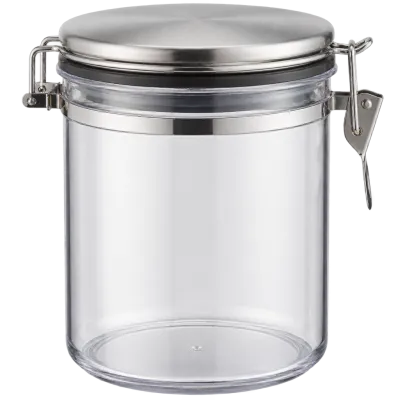 Matching productPowder Storage ContainerAmazon →
06
What the research says
For caffeine as a performance enhancer before intense training sessions, the evidence is comparatively good; the effect on strength and endurance is real but moderate and varies in strength from person to person. For many of the other, often floridly advertised ingredients in pre-workout blends, the evidence is much thinner, partly because too few studies exist and partly because the amounts studied differ from the amounts actually contained in finished products. Anyone who wants to assess a product against studies should therefore check carefully whether the amount used there actually matches the amount in their own product.
Under these conditions, a pre-workout booster can serve as occasional support for particularly demanding training sessions, but it replaces neither sufficient sleep nor sensible planning of training and diet.
Compared with other supplements with long-term effects, such as creatine, the effect of a pre-workout booster is also more short-term and situational. It can help on a single, particularly demanding training day, but does not replace the long-term effects of a consistent training and diet routine over weeks and months. Anyone who combines both, a solid foundation of training, nutrition and sleep with occasional, targeted support from a booster, gets the most out of both building blocks.
 Matching productSports BraAmazon →
07
Frequently asked questions
Are pre-workout boosters suitable for everyone?
Not necessarily. People sensitive to caffeine, people with cardiovascular conditions, and pregnant or breastfeeding women should seek medical advice beforehand.
How quickly does a pre-workout booster work?
The caffeine-containing part usually works after about 30 to 60 minutes. That is why intake is usually recommended about 20 to 30 minutes before training.
Can I get used to pre-workout boosters?
Yes, as with caffeine in general, the body can get used to regular intake, so the effect fades over time. Occasional breaks can counteract this.
Do I need a pre-workout booster for good training performance?
No. Sufficient sleep, a balanced diet and well-structured training are the real foundation. A booster can complement this in individual cases, but not replace it.
How much caffeine does a typical pre-workout booster contain?
The amount varies greatly by product, so always go by the packaging instructions. Many products are in the range of several hundred milligrams per portion, considerably more than a single cup of coffee.
Can I train with focus without a pre-workout booster?
Yes. Enough sleep, a suitable meal before training and, if needed, a normal cup of coffee are entirely sufficient for most training sessions.
 Matching productL-TryptophanAmazon →
Explore
Read next
 Protein types at a glance: whey, casein, plant-based and moreAn overview of all common protein types from whey to collagen, with a comparison table and links to detailed guides.
 Amino Acids: The Building Blocks of ProteinStructure, classification and functions of amino acids at a glance, with a table of all 20 proteinogenic amino acids and links to all guide…
 Supplements for Sport and Fitness: A Factual OverviewAll supplement categories at a glance, with the evidence rated from good to thin, plus safety and buying tips.