
6 min read
Fat Burners: Ingredients, Evidence and Risks
Which ingredients fat burners contain, what the research actually shows and which risks and side effects you should know about.

Fat burners are dietary supplements that are said to stimulate the metabolism and thereby support weight loss. Contrary to what the name suggests, these products do not burn fat on their own. They usually contain a combination of substances that are meant to raise energy expenditure slightly or influence appetite.
In this guide you will learn which ingredients fat burners typically contain, what research actually shows about these substances and which risks and side effects can occur when using them.
01
What fat burners actually are
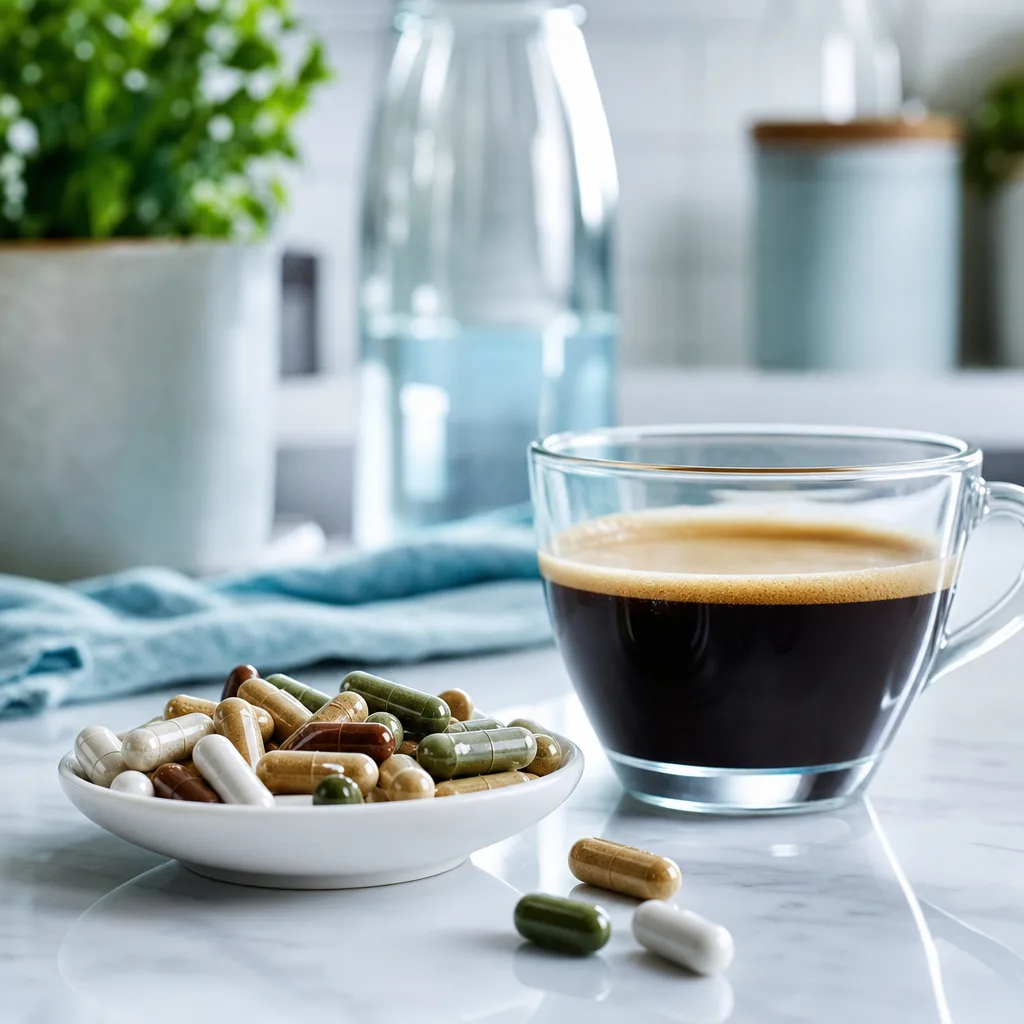
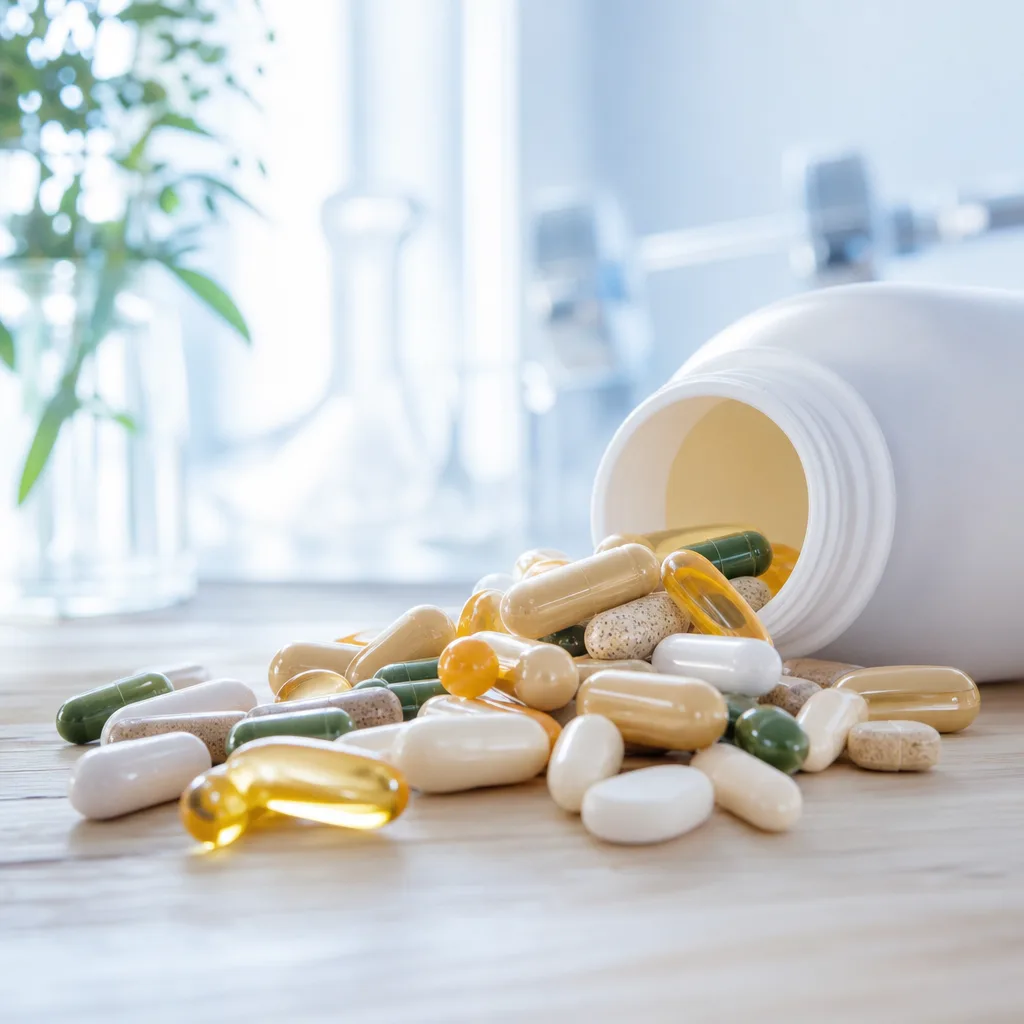
The term fat burner covers a wide range of products, mostly combination supplements made up of several individual substances. Common ingredients are caffeine, green tea extracts, capsaicin from chilli and, in some cases, L-carnitine or various plant extracts. The shared idea behind them: the body's energy expenditure is meant to rise slightly and appetite to be curbed.
A realistic perspective matters here: even if individual ingredients have a measurable but usually small effect on energy expenditure, this does not replace a calorie deficit achieved through diet and exercise. In research, fat burners are discussed at best as a possible, limited addition, not as a stand-alone weight loss method.
Some products also advertise an appetite-suppressing effect, for example through fibre or bitter plant compounds that are meant to promote a feeling of fullness. Here too, the effect differs from person to person and cannot be predicted across the board. A full glass of water before a meal or a deliberately slower way of eating achieves a comparable effect on satiety for some people, entirely without an additional supplement.
02
Common ingredients at a glance
| Ingredient | Assumed effect | Assessment of the evidence |
|---|---|---|
| Caffeine | slightly increased energy expenditure, stimulating effect | comparatively well studied, effect usually small |
| Green tea extract | combination of caffeine and catechins | studies inconsistent, effect small |
| Capsaicin | slight increase in heat production after eating | effect small, varies from person to person |
| L-carnitine | involved in fat metabolism in cells | additional benefit doubtful when the body's own supply is sufficient |
We look at some of these substances in more detail in separate guides, for example on caffeine and L-carnitine. With combination supplements, it is worth checking the ingredient list so that you can realistically judge the total amount of stimulating substances such as caffeine.
 Matching productCaffeine TabletsAmazon →
03
Thin evidence and exaggerated marketing claims
For most combination supplements marketed as fat burners, there are hardly any independent, meaningful studies demonstrating a clear effect on body weight or body fat. Individual ingredients such as caffeine are better researched, but the measured effect on energy expenditure is usually small and barely noticeable in everyday life, especially compared with a consistent calorie deficit.
Marketing claims promising quick or pronounced fat burning simply by taking a fat burner cannot be backed up by current scientific knowledge. Reputable sources classify fat burners at best as a small building block, varying from person to person, alongside diet and exercise.
The type of study also matters for the assessment. Many studies on fat burner ingredients run for only a few weeks with a modest number of participants, which limits how well the results transfer to everyday life over months or years. Long-term studies on combined fat burner products are rare, so statements about long-term use should be treated with particular caution.
04
Possible side effects and risks
Because many fat burners contain stimulating, often caffeine-containing substances in sometimes high total amounts, side effects such as palpitations, nervousness, sleep problems, headaches or gastrointestinal complaints can occur. If you already consume coffee, energy drinks or other caffeinated products throughout the day, you should keep an eye on the total amount of caffeine from all sources.
In cases of cardiovascular disease or high blood pressure, during pregnancy and breastfeeding, and for children and adolescents, fat burners are generally not recommended, or medical advice should be sought beforehand. Interactions can also occur if you take other medication, so it makes sense to talk to a doctor.
Another point is habituation: with regular, high intake of caffeine and similar stimulants, the body can adapt over time, so that the effect you originally noticed fades. Some people then increase the dose on their own, which raises the risk of side effects further. A deliberate break from stimulating supplements can help to normalise sensitivity again.
05
Realistic expectations of fat burners
If you are interested in a fat burner, you should keep your expectations realistic from the start. Even where individual ingredients such as caffeine have proven effects, the additional energy burned is typically only a few percent of daily expenditure, a figure that can easily be exceeded by a moderate change in diet or a little more exercise. A fat burner therefore does not replace a fundamental change in diet and can at best be seen as a small extra building block.
Rather than searching for an effective supplement, it often makes more sense to look at the basics: enough protein for satiety, regular exercise and enough sleep usually have a much stronger effect on long-term weight development than any single dietary supplement. You can find more in the guide Protein for weight loss and in our fundamental guide to fat burning.
06
Natural alternatives to capsule supplements
If you are wary of capsule supplements, you can also get some of the active ingredients in their original form from foods and drinks. Coffee and green tea provide natural caffeine in an amount that most people can judge fairly well, and hot spices such as chilli contain capsaicin in low concentration. These options do not replace the targeted dosing that a supplement offers, but they are familiar, long-established foods with a generally well-known tolerability profile.
For anyone who wants to avoid stimulants in the long term, the basic rule remains anyway: a calorie deficit can be achieved entirely without a fat burner, and the foods and drinks mentioned are merely a possible, optional addition.
 Matching productProtein DrinkAmazon →

07
What the research says
In summary: for individual components of fat burners such as caffeine, there is a relatively broad evidence base supporting a small, statistically measurable effect on energy expenditure. For most ready-made combination products as sold in shops, however, a comparably solid independent body of evidence is lacking. The actual effect in everyday life is usually small and does not replace a calorie deficit.
At the same time, the risk of side effects from high-dose or combined stimulants is real and varies from person to person. A critical, sober assessment of marketing claims is particularly important here.
08
Frequently asked questions
Do fat burners really work?
Individual ingredients can raise energy expenditure slightly, but according to current knowledge fat burners are not a stand-alone weight loss aid. Without a calorie deficit, no relevant effect is to be expected.
Are fat burners dangerous?
At usual doses and in healthy adults, many ingredients are considered tolerable, but high-dose or combined stimulants can cause side effects such as palpitations or nervousness. If you have pre-existing conditions, medical advice is important.
Can I combine fat burners with coffee?
This is rather not recommended, as the caffeine amounts add up and the total dose can quickly become high. Keep an eye on the amount of caffeine from all sources.
Are natural fat burners such as green tea better than capsules?
Green tea or coffee contain similar active ingredients to many capsule supplements, in a lower dose that most people can judge more easily. That does not mean they are better across the board.
Who should avoid fat burners?
People with cardiovascular disease or high blood pressure, during pregnancy and breastfeeding, and adolescents should avoid fat burners or have their use checked by a doctor first.
How can I recognise reliable product information?
A complete ingredient list with specific amounts per serving is a good sign. If exact amounts are missing or the product is advertised only with general terms such as fat burner complex, the actual dose is hard to judge, which makes an informed decision more difficult.
How much caffeine from fat burners is usual?
Servings with roughly 100 to 200 mg of caffeine per dose are common in products, comparable to one or two cups of coffee. The exact amount always depends on the pack information for the product in question and on your individual tolerance.
Should I take fat burners in the evening?
Because of the stimulating substances they usually contain, such as caffeine, taking them in the late afternoon or evening is often discouraged, as it can disturb sleep. Good sleep is at least as important for weight management and recovery as taking the supplement itself.
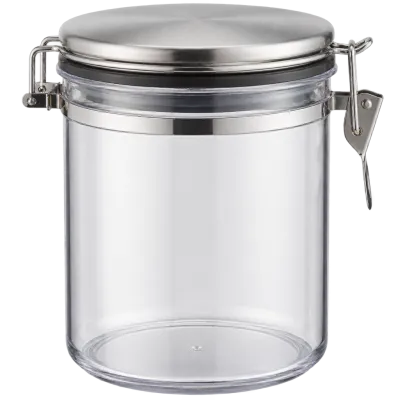 Matching productPowder Storage ContainerAmazon →
Explore
Read next
 Protein types at a glance: whey, casein, plant-based and moreAn overview of all common protein types from whey to collagen, with a comparison table and links to detailed guides.
 Amino Acids: The Building Blocks of ProteinStructure, classification and functions of amino acids at a glance, with a table of all 20 proteinogenic amino acids and links to all guide…
 Supplements for Sport and Fitness: A Factual OverviewAll supplement categories at a glance, with the evidence rated from good to thin, plus safety and buying tips.