
6 min read
Protein Bars: Understanding Sugar, Protein Content and Fibre
What to look for in protein bars: sugar, sugar alcohols, protein content, fibre, calories and how to make your own bars.

Protein bars are seen as a practical snack on the go, but their composition can differ considerably from bar to bar. Sugar, sugar alcohols, protein content and fibre are all worth a closer look on the ingredient list.
This guide explains what to look for in protein bars, when a bar fits sensibly into everyday life and how you can make a bar yourself.
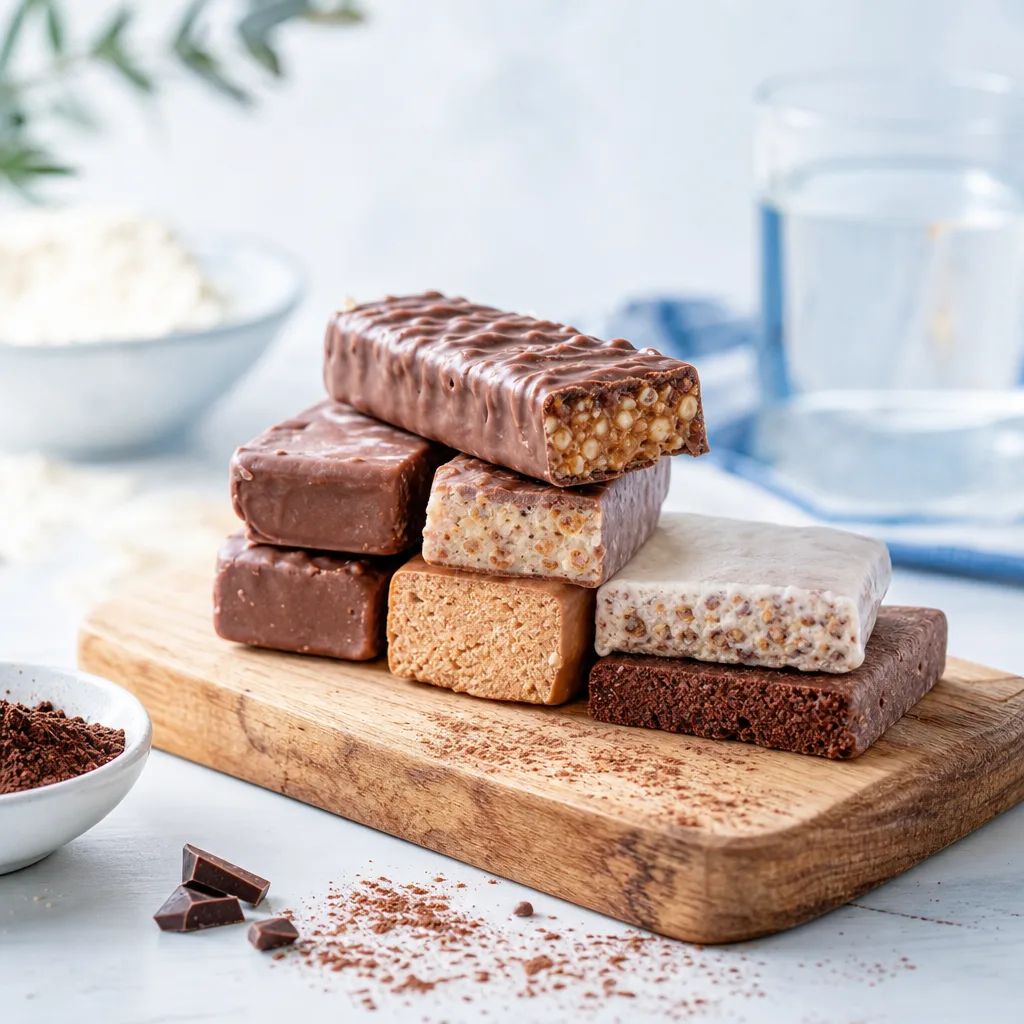
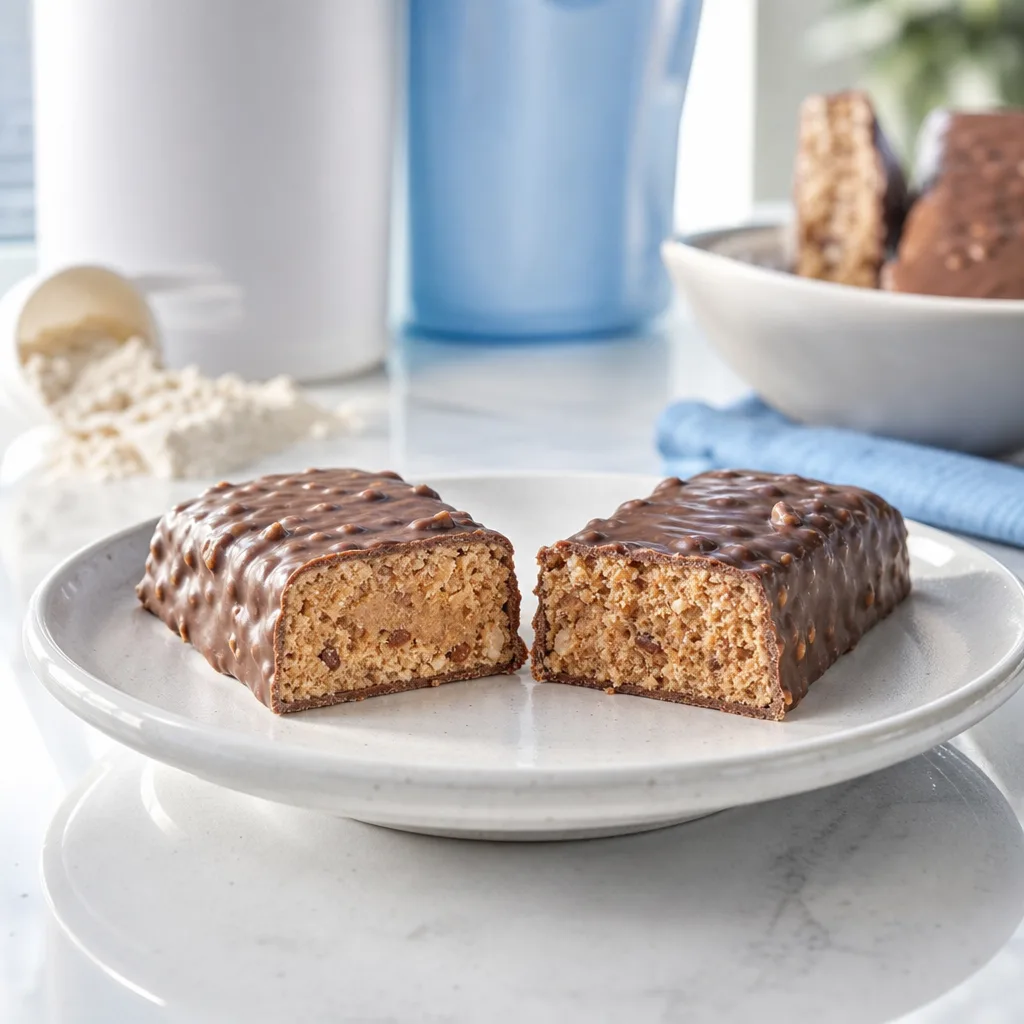
Supermarket shelves now hold countless varieties side by side, from chocolatey bars that resemble confectionery to plainer, fibrous bars with a high protein share. This variety makes it all the more important to check the actual composition rather than relying on the packaging alone.
The idea of the protein bar originally comes from strength training, where a practical, portable source of protein for on the go was in demand. Today many bars target a broader audience that simply wants a filling, protein-rich snack for everyday life, regardless of athletic background.
01
Sugar and Sugar Alcohols
Many protein bars contain sugar to improve taste and texture. Some manufacturers replace part of it with sweeteners such as sugar alcohols, for example maltitol, erythritol or sorbitol. These usually provide fewer calories than ordinary sugar, but in larger amounts they can have a laxative effect or cause bloating in some people.
The ingredient list shows how high the share of sugar and sugar alcohols actually is. As a rule, the nearer the front an ingredient appears in the list, the larger its share by weight in the product. How to read and interpret an ingredient list in general is explained in detail in our guide Reading a Protein Powder Ingredient List, and its basic principles carry over to bars as well.
Some bars deliberately use sugar-free recipes and advertise accordingly, while others combine a moderate amount of sugar with natural sweetening sources such as dates or honey. Both approaches have their merits. What matters in the end is the total amount of sugar and sugar alcohols over the day, not where the sweetness in a single bar comes from.
 Matching productGlycineAmazon →
02
Judging Protein Content
The protein content of a bar is usually stated as grams of protein per bar or per 100 g. This value varies considerably between products, from bars with a fairly moderate share to versions with a very high protein share, in which a larger part of the mass consists of protein sources such as whey, milk protein or plant protein. It is important to look at the whole bar: a bar with a high protein content but a low weight may in the end provide less protein than a larger bar with a moderate share.
A useful comparison is therefore how much protein a bar provides in relation to its total weight and its calories. Two bars with the same gram figure on the packaging can differ noticeably in practice if one of them is clearly heavier or contains more filler ingredients such as fats and sugar.
 Matching productWhey Protein ConcentrateAmazon →
03
Fibre in the Bar
To bind the texture and save calories at the same time, many manufacturers use fibre, for example from chicory root or resistant starch. Fibre contributes to satiety and is metabolised by the body differently from other carbohydrates. In larger amounts, however, certain types of fibre can also promote bloating, so it is advisable to build up slowly when you add protein bars to your routine.
Fibre is generally a desirable part of the diet, as it aids digestion and can support a longer-lasting feeling of fullness. In protein bars, this satiating effect comes on top of the protein content, which makes them a comparatively filling snack.
04
Keeping an Eye on Calories
Protein bars are often perceived as a light snack, but because of nuts, oils and sweeteners many bars are in a similar calorie range to a small chocolate bar. That is not a problem in itself, but it should be taken into account in the day's overall balance, especially if you are watching your body weight. You can find more on how protein intake and weight management work together in the guide Protein for Weight Loss.
If you eat several bars a week regularly, you should deliberately include them in your calorie planning rather than treating them as a negligible extra. A look at the calories per bar helps you form a realistic impression of how much the snack contributes to the day's overall balance.
 Matching productProtein ChipsAmazon →
05
When a Protein Bar Makes Sense
A protein bar is particularly suitable when a regular meal is not possible at the moment, for example on the go, in an office without a fridge or straight after exercise. As a replacement for balanced meals with vegetables, wholegrains and other nutrients, however, a bar is only of limited use, since it usually provides much less variety of nutrients than a complete meal.
| Situation | Protein bar sensible |
|---|---|
| On the go without refrigeration | yes, practical and long-lasting |
| Straight after training | yes, as a quick source of protein |
| Replacement for a full meal | rather not, only as a stopgap |
| Regular snack without a particular occasion | possible, watch total calories |
06
Making Protein Bars Yourself
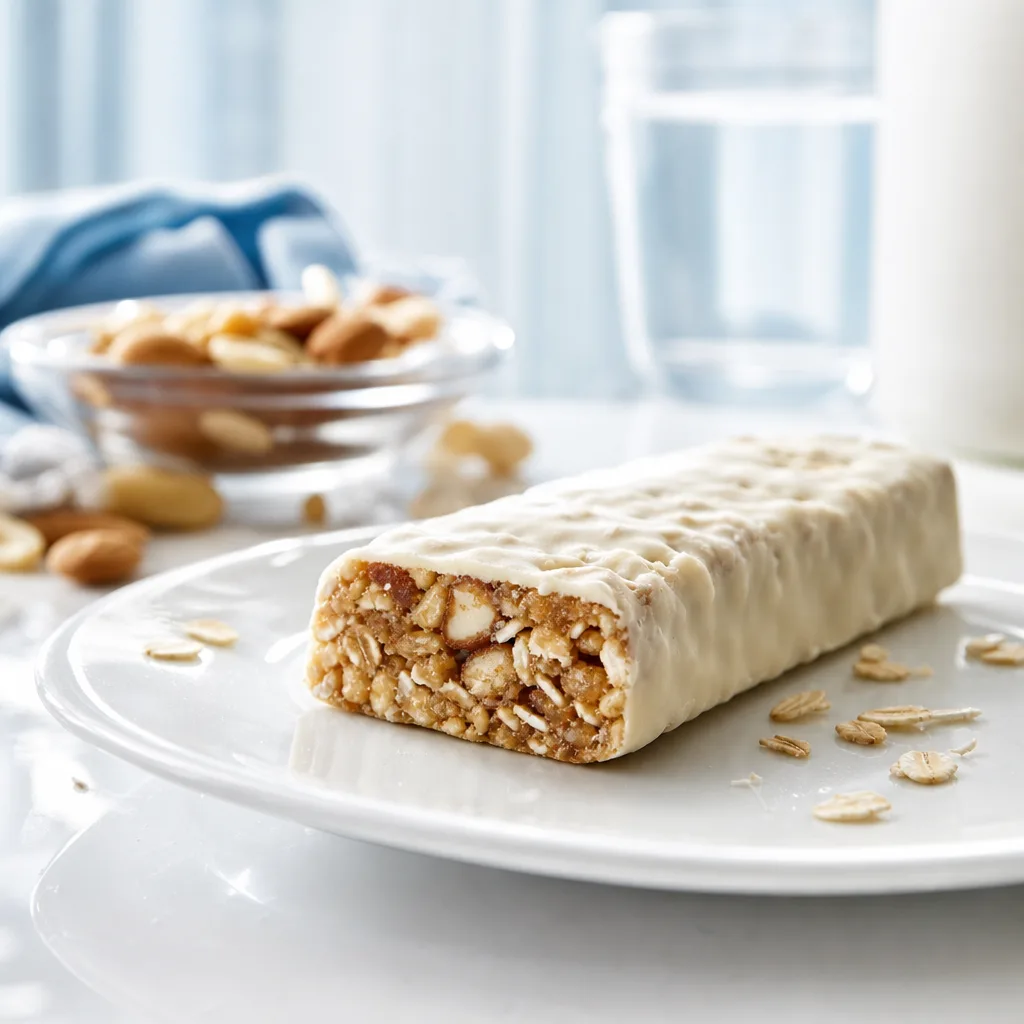
If you want to decide the ingredient list yourself, you can also prepare protein bars at home. A simple base consists of rolled oats, some protein powder of your choice, a binder such as nut butter or mashed banana, and dried fruit or nuts for flavour and bite. The mixture is combined, spread in a tin, chilled and then cut into bars. The advantage of homemade bars is that you can freely adjust the amount of sugar, the sweeteners and the ingredients.
Homemade bars can also be prepared in batches and frozen individually wrapped, so a portion is always within reach. If you want to reduce the sweetness, you can lower the share of dried fruit and use more nuts or seeds instead, which also gives more bite.
 Matching productRolled OatsAmazon →
07
Frequently Asked Questions
Are sugar alcohols in protein bars a concern?
In the amounts usual on packaging they are generally considered safe, but in larger amounts they can cause digestive complaints in some people. If you react sensitively, increase the amount slowly or choose varieties free of sugar alcohols.
How many protein bars can you eat per day?
There is no blanket figure, as it depends on your individual calorie balance and the rest of your diet. One or two bars as a supplement to full meals are unproblematic for most people.
Are homemade bars healthier than shop-bought ones?
Not automatically, but you have more control over ingredients such as the amount of sugar and the source of fat. The nutrient balance ultimately depends on the specific recipe.
Can a protein bar replace a meal?
Occasionally as a stopgap, yes, but in the long term a bar is not a full substitute for a meal with vegetables, wholegrain products and other nutrients.
How do I recognise a high-quality protein bar?
A look at the ingredient list shows whether it contains a lot or little sugar, which sources of fat are used and how high the actual protein share is in relation to the total weight. This information says more than advertising terms on the packaging.
Are protein bars suitable for children?
Protein bars are designed for the additional protein needs of adults and are generally not necessary for children, as their protein needs are usually well covered by a normal, balanced diet.
How long do protein bars keep?
Shop-bought bars usually keep for several months and carry a best-before date. Homemade bars, on the other hand, should be stored in a cool place and used up within a few days to weeks, depending on the ingredients used.
Do protein bars make you fat?
Like any food, protein bars only affect body weight if they contribute to a calorie surplus over a longer period. What matters is the overall balance of the day, not a single bar taken on its own.
Can I eat protein bars when losing weight?
In principle yes, provided they are planned into your personal calorie balance. What matters most is the total amount of calories over the day, not the individual bar.
Are sugar-free protein bars automatically the better choice?
Not necessarily, as sugar-free bars often contain more sugar alcohols or other sweeteners. A look at the whole ingredient list is more informative than the label alone.
 Matching productExercise MatAmazon →
Explore
Read next
 Protein types at a glance: whey, casein, plant-based and moreAn overview of all common protein types from whey to collagen, with a comparison table and links to detailed guides.
 Amino Acids: The Building Blocks of ProteinStructure, classification and functions of amino acids at a glance, with a table of all 20 proteinogenic amino acids and links to all guide…
 Supplements for Sport and Fitness: A Factual OverviewAll supplement categories at a glance, with the evidence rated from good to thin, plus safety and buying tips.