
6 min read
Lactose-Free Protein: Isolate, Hydrolysate and Vegan Options
Whey isolate, hydrolysate or vegan protein sources: how to find low-lactose or lactose-free protein options for everyday use.

If you cannot tolerate lactose, you do not have to give up a protein-rich diet. There are several ways to get high-quality protein with no or much less milk sugar, from specially processed milk proteins to plant-based alternatives.
This guide explains why some protein powders are naturally low in lactose, how labelling works and which options suit different needs.
01
Why lactose matters in protein powder
Lactose is the natural milk sugar found in milk and many products made from it. People with lactose intolerance lack enough of the enzyme lactase to break lactose down completely in the small intestine, which can lead to digestive complaints. Because classic whey protein is obtained from milk, it can still contain residual lactose, depending on how far it has been processed. How much lactose it actually contains depends heavily on how the whey protein was processed.
The degree of lactose intolerance varies greatly from person to person. Some people tolerate small amounts of lactose without any problem, while others react to even slight traces. This range explains why there is no single right solution for everyone affected, and why different options can make sense depending on personal tolerance.
 Matching productExercise MatAmazon →
02
Whey isolate and hydrolysate
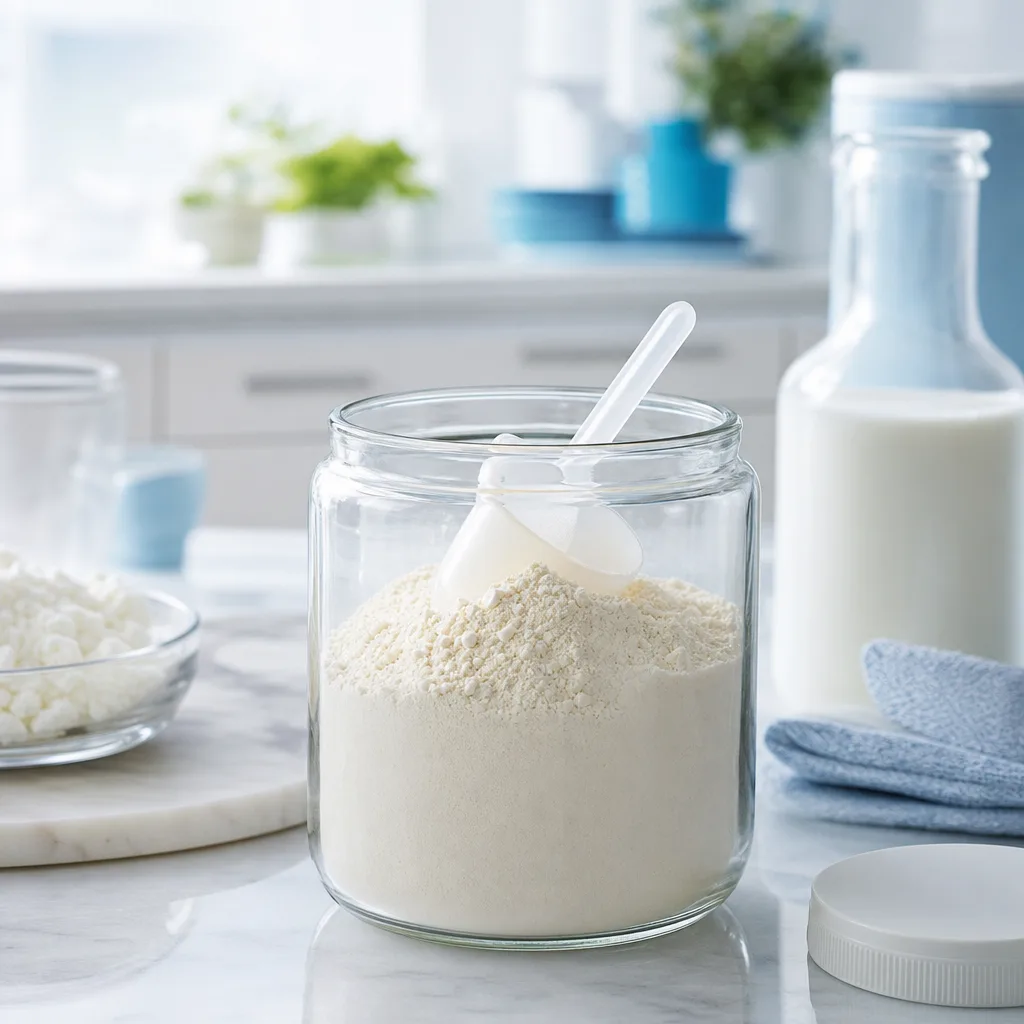
Whey concentrate production usually leaves a certain amount of lactose in the product. Whey isolate is purified more thoroughly, so its lactose content is much lower than that of concentrate, often down to an amount that many people with mild lactose intolerance tolerate well. Whey hydrolysate goes one step further: the protein is additionally broken into smaller fragments, which can make it easier for the body to process. The lactose content of hydrolysate is usually very low as well, since the manufacturing process aims for a similar level of purity as with isolate. You can find more about the differences in the glossary entries whey isolate and whey hydrolysate.
It is important to know that none of these processing stages automatically guarantees 100 percent lactose freedom unless the product is explicitly labelled lactose-free. If you react particularly sensitively, do not rely on the words isolate or hydrolysate alone, but check the specific labelling and the stated lactose content on the packaging.
 Matching productWhey Protein ConcentrateAmazon →
03
Casein and lactose
Casein, another milk protein, is also obtained from milk in a similar way to whey and can contain traces of lactose depending on how far it has been processed. Casein isolates are generally purified more thoroughly than caseinates and therefore tend to contain less lactose. As with whey, the same applies here: a reliable statement comes only from the labelling on the packaging, not from the general product category.
 Matching productCasein ProteinAmazon →
04
Vegan protein sources as a lactose-free option
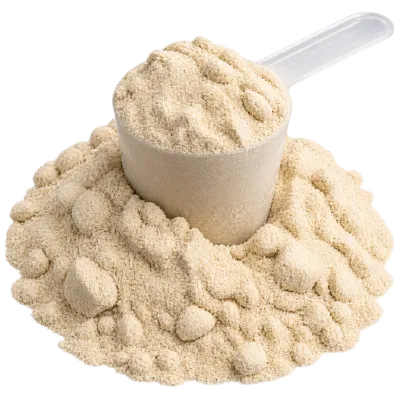
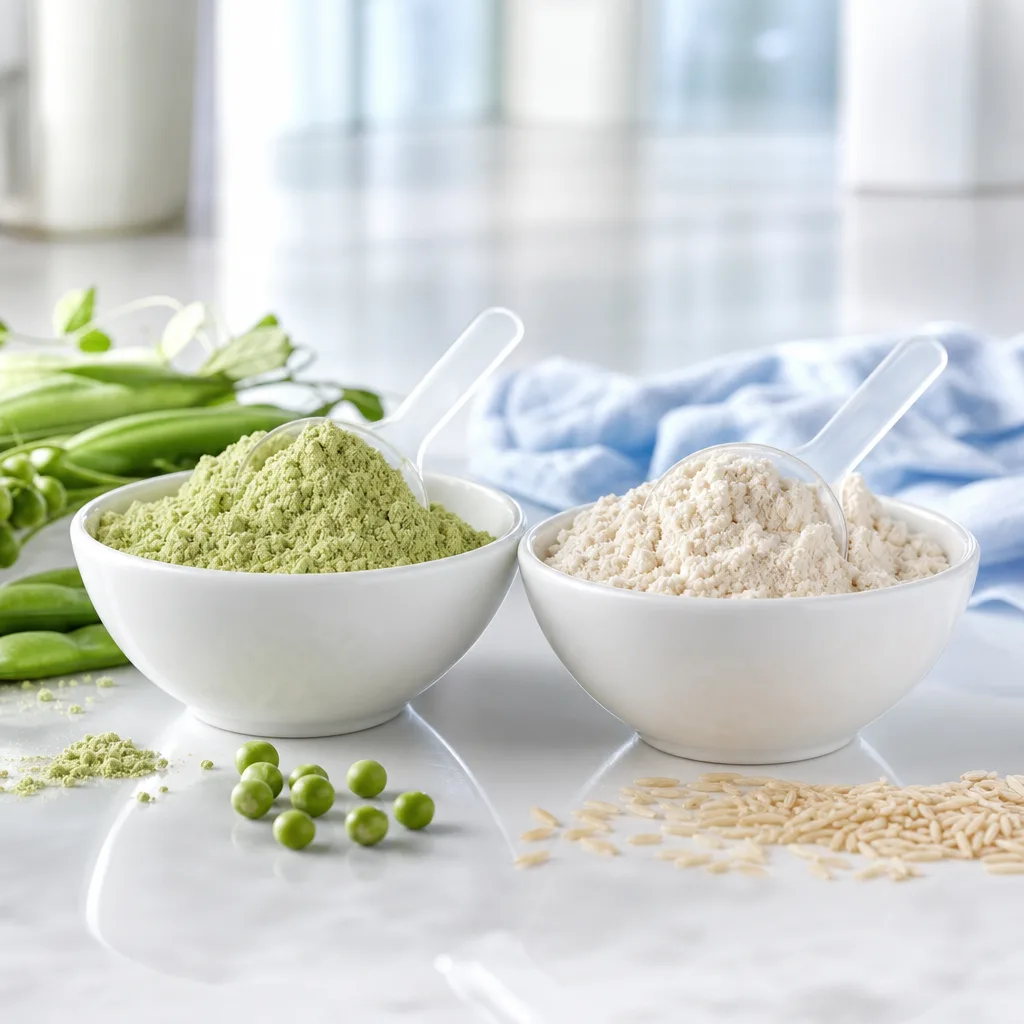
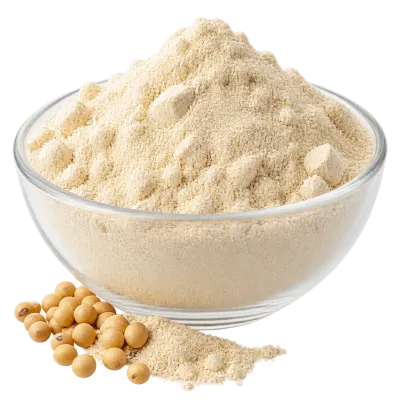
Plant-based protein powders made from pea, rice, soy or hemp naturally contain no lactose, as they do not come from milk. They are therefore suitable in principle for people with lactose intolerance, regardless of the degree of processing. If you already eat plant-based or want to avoid dairy in general, vegan protein sources are a practical alternative. You can read more background in the guide to vegan protein.
Individual plant protein sources differ in taste, solubility and amino acid profile. Pea protein is considered comparatively soluble and is often combined with rice protein to achieve a more balanced amino acid pattern, similar to the classic combination of grains and legumes in a normal diet. Soy protein already offers a relatively complete amino acid profile on its own, but some people find its taste somewhat more intense. Hemp protein additionally contains fibre, but usually provides slightly less protein per serving than other plant-based options.
 Matching productVegan Protein BlendAmazon →
05
Other alternatives for a sensitive digestion
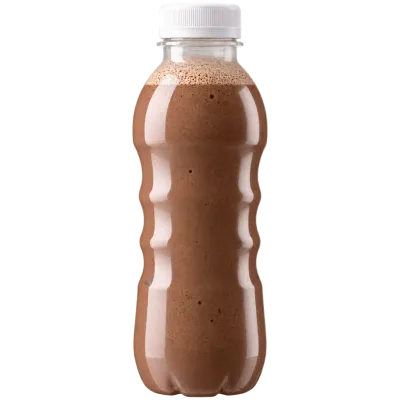
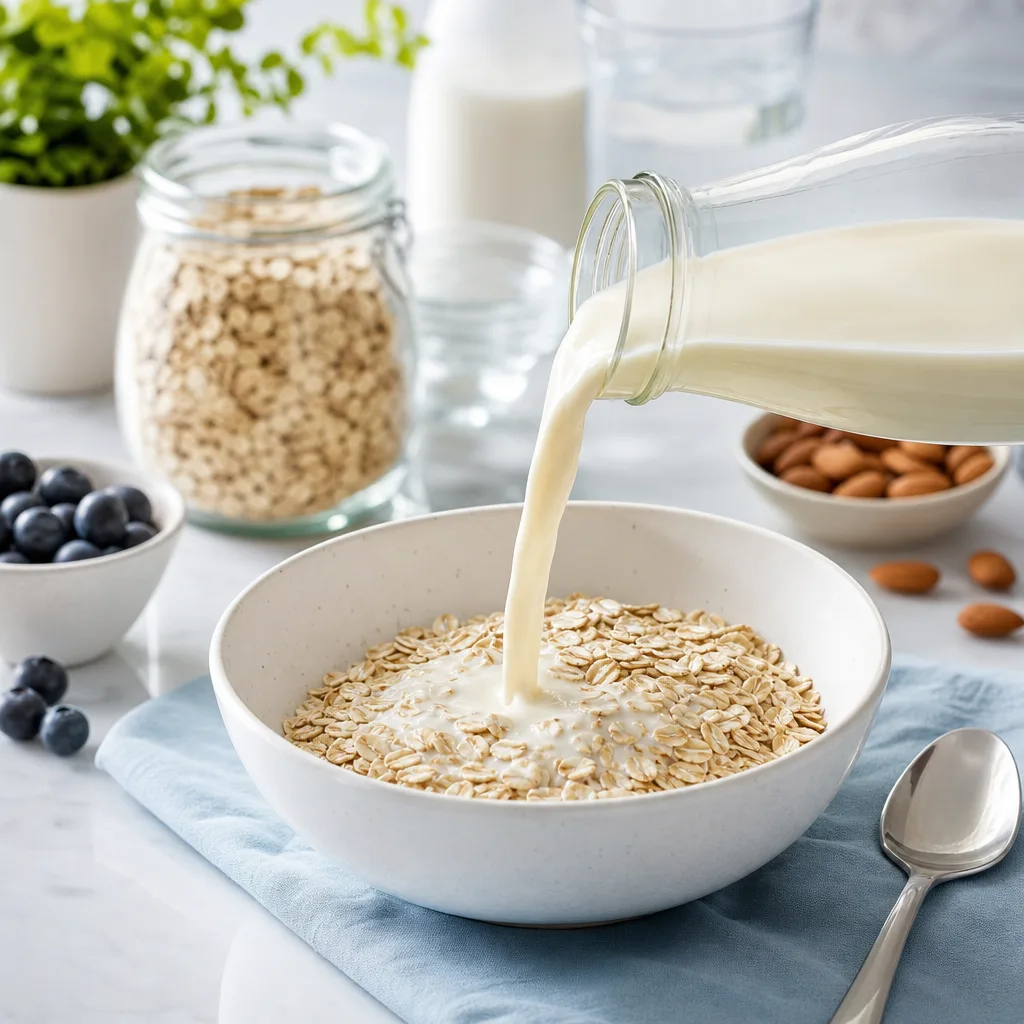
Besides the question of lactose alone, the general tolerability of protein powder matters for some people, for example with a generally sensitive digestion. Here it can help to test smaller servings and increase the amount slowly instead of starting straight away with a full serving. The choice of liquid also plays a role: if you avoid milk anyway, you can easily mix protein powder with water or a plant-based drink. You can read more in the article Mixing a protein shake properly.
 Matching productProtein DrinkAmazon →
06
Added lactase as a further option
Some people with mild lactose intolerance additionally take the enzyme lactase in capsule or tablet form so that they can tolerate dairy products or lactose-containing protein powders better. This does not replace a lactose-free diet, but in individual cases it can be a practical solution. If symptoms are more severe or you are unsure about your own tolerance, a medical assessment is advisable before you use enzyme supplements on your own.
Lactase supplements are usually taken shortly before a meal that contains lactose, so that the enzyme can work in the digestive tract at the same time as the food. The amount needed depends on the extent of your own intolerance and on the amount of lactose consumed, and is best assessed by trying it out yourself in consultation with professional advice.
07
Recognising labelling
In the European Union, lactose must be labelled as an allergen or intolerance trigger as soon as a product contains it. Products advertised as lactose-free are usually below a very low limit of residual lactose. A look at the ingredient list and the nutrition table, in which the lactose content is sometimes listed separately, gives additional certainty. You can learn more about reading the information on the packaging in the article on the protein powder ingredient list.
In addition to the mandatory labelling, many manufacturers voluntarily state an exact lactose value in milligrams per serving, especially for products advertised specifically to people with lactose intolerance. Such an exact value can be helpful for judging your own individual tolerance threshold, particularly if even small amounts of lactose trigger symptoms.
08
Options at a glance
| Protein source | Lactose content | Suitable for |
|---|---|---|
| Whey concentrate | usually still a noticeable amount | if tolerated well |
| Whey isolate | much reduced | with mild intolerance |
| Whey hydrolysate | very low | with sensitive digestion |
| Pea, rice or soy protein | no lactose | with lactose intolerance or a vegan diet |
| Additional lactase supplement | makes lactose-containing products possible | with mild intolerance, to be adjusted individually |
If you are looking for a suitable option, you will find further advice in our general buying guide.
 Matching productSoy Protein IsolateAmazon →
09
Frequently asked questions
Is whey isolate automatically lactose-free?
Not always completely, but its lactose content is much lower than that of concentrate. For a reliable statement, the labelling on the packaging is what counts.
Can people with lactose intolerance take vegan protein powder without problems?
Vegan protein powders naturally contain no lactose, as they are not made from milk, which makes them suitable in principle for people with lactose intolerance.
Can I simply take lactase with any protein powder?
Lactase supplements can help with mild intolerance, but they do not replace a medical assessment for more severe or unclear symptoms.
How can I reliably recognise lactose-free products?
By the labelling on the packaging, as well as the ingredient list and the nutrition table, in which the lactose content is sometimes stated separately.
Is casein suitable for people with lactose intolerance?
That depends on the degree of processing. Casein isolates are usually purified more thoroughly than other forms of casein, but a reliable assessment comes only from the labelling on the packaging.
Do vegan protein powders taste the same as whey?
Not necessarily. Plant protein sources can differ noticeably from whey protein in taste and consistency, although this is perceived very individually.
Can I still eat skyr or quark with lactose intolerance?
That depends on the individual extent of the intolerance. Some low-lactose dairy products are tolerated better than others, and lactose-free versions of many dairy products are now also available in shops.
Does the protein content change when lactose is removed?
Not fundamentally. The protein content of a lactose-free or low-lactose product depends on the manufacturing process and is most reliably read from the nutrition table on the packaging.
Are lactose-free protein powders more expensive than conventional products?
There is no general answer, as pricing varies from manufacturer to manufacturer and from product to product, and this page names no prices or specific products.
Is the product name enough to rule out lactose?
No. Terms such as isolate or hydrolysate point to a higher degree of purity, but a reliable statement about lactose freedom comes only from the actual labelling on the packaging.
 Matching productVitamin C PowderAmazon →
Explore
Read next
 Protein types at a glance: whey, casein, plant-based and moreAn overview of all common protein types from whey to collagen, with a comparison table and links to detailed guides.
 Amino Acids: The Building Blocks of ProteinStructure, classification and functions of amino acids at a glance, with a table of all 20 proteinogenic amino acids and links to all guide…
 Supplements for Sport and Fitness: A Factual OverviewAll supplement categories at a glance, with the evidence rated from good to thin, plus safety and buying tips.