
6 min read
Protein powder comparison: types, criteria and goals
Whey, casein, egg and plant-based protein powders compared: criteria, differences and which powder typically suits which goal.

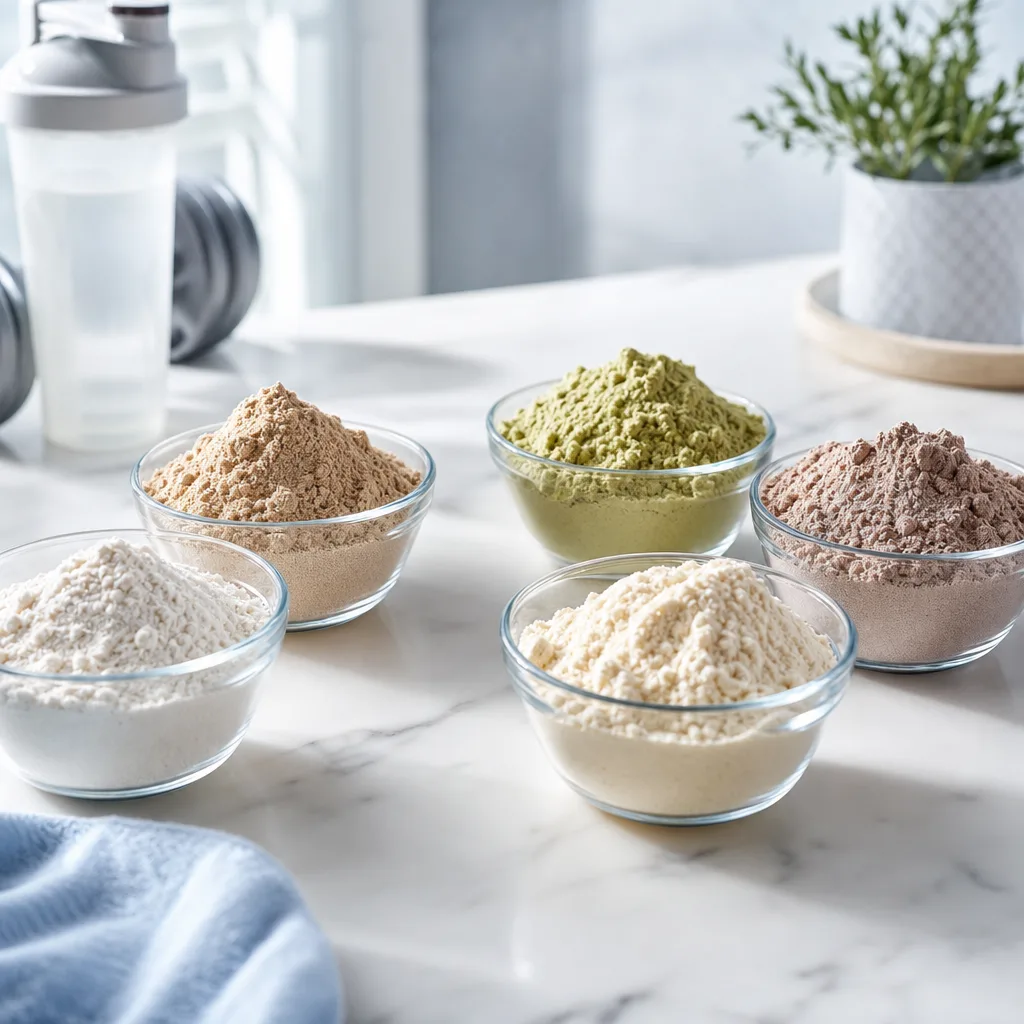
The protein powder shelf is large: whey, casein, egg, soy, pea, rice, hemp and multi-component products often stand side by side. This comparison classifies the most important types without rating individual brands or products.
You will learn which criteria matter in a comparison and which type of protein powder typically comes into question for which goal.
The abundance of options can seem overwhelming at first, especially when packaging advertises with different terms such as concentrate, isolate or multi-component. A sober look at origin, processing and nutritional values helps narrow down the choice independently of advertising claims and find a powder that suits your own diet.
01
Protein types at a glance
| Protein type | Protein content per 100 g | Origin |
|---|---|---|
| Whey | about 70 to 90 g | cow's milk, whey |
| Casein | about 70 to 85 g | cow's milk |
| Egg protein | about 80 to 90 g | hen's egg, mostly egg white |
| Soy | about 80 to 90 g | soybean |
| Pea | about 75 to 85 g | yellow pea |
| Rice | about 75 to 85 g | brown rice |
| Hemp | about 45 to 55 g | hemp seed, press cake |
| Multi-component | depends on the blend | combination of several sources |
These values are typical orders of magnitude and can vary depending on degree of processing and recipe. For a detailed look at individual types, our whey protein guide and the guide to vegan protein are worthwhile.
It is striking that protein contents per 100 g do not differ all that much between most types, with the exception of hemp protein, which is lower because of its natural fat and fibre share. Bigger differences show up more in solubility, amino acid profile and taste than in the pure protein amount.
Origin also plays a role in the buying decision, independently of pure nutritional value. Animal proteins such as whey, casein and egg protein suit a diet that includes dairy or egg products, while soy, pea, rice and hemp are suitable for a vegan or plant-focused diet. Multi-component products deliberately mix several sources to balance nutritional profile, solubility and taste, regardless of whether they are composed purely of plant sources or with animal parts.
A multi-component product can, for example, combine whey with casein to achieve both fast and slow release of amino acids, or bundle several plant proteins to achieve as complete an amino acid profile as possible. Such blends are neither fundamentally better nor worse than individual protein sources, but simply another building block in the range.
For beginners, the multitude of terms can seem confusing at first. A good first step is to ask yourself whether an animal or a plant source is an option, and to narrow the choice down from there, rather than dealing with every detail of processing straight away.
 Matching productCasein ProteinAmazon →
02
Key comparison criteria
Anyone comparing protein powders should look beyond pure protein content. The following criteria help with classification:
- Amino acid profile, that is, how completely the essential amino acids are present
- Solubility and consistency when mixing
- Lactose content, relevant for milk proteins
- Taste and tolerance in the digestive tract
- Origin, animal or plant-based, depending on your personal diet
We explain details on labels and how to find this information on the packaging in the guide reading a protein powder ingredients list.
Another point that is often overlooked is the composition of the other ingredients besides the protein itself. Sweeteners, flavourings, thickeners or emulsifiers considerably influence taste and consistency and can also play a role for sensitive people, regardless of which protein source is in the foreground.
 Matching productGlycineAmazon →
03
Egg protein as an animal alternative to milk
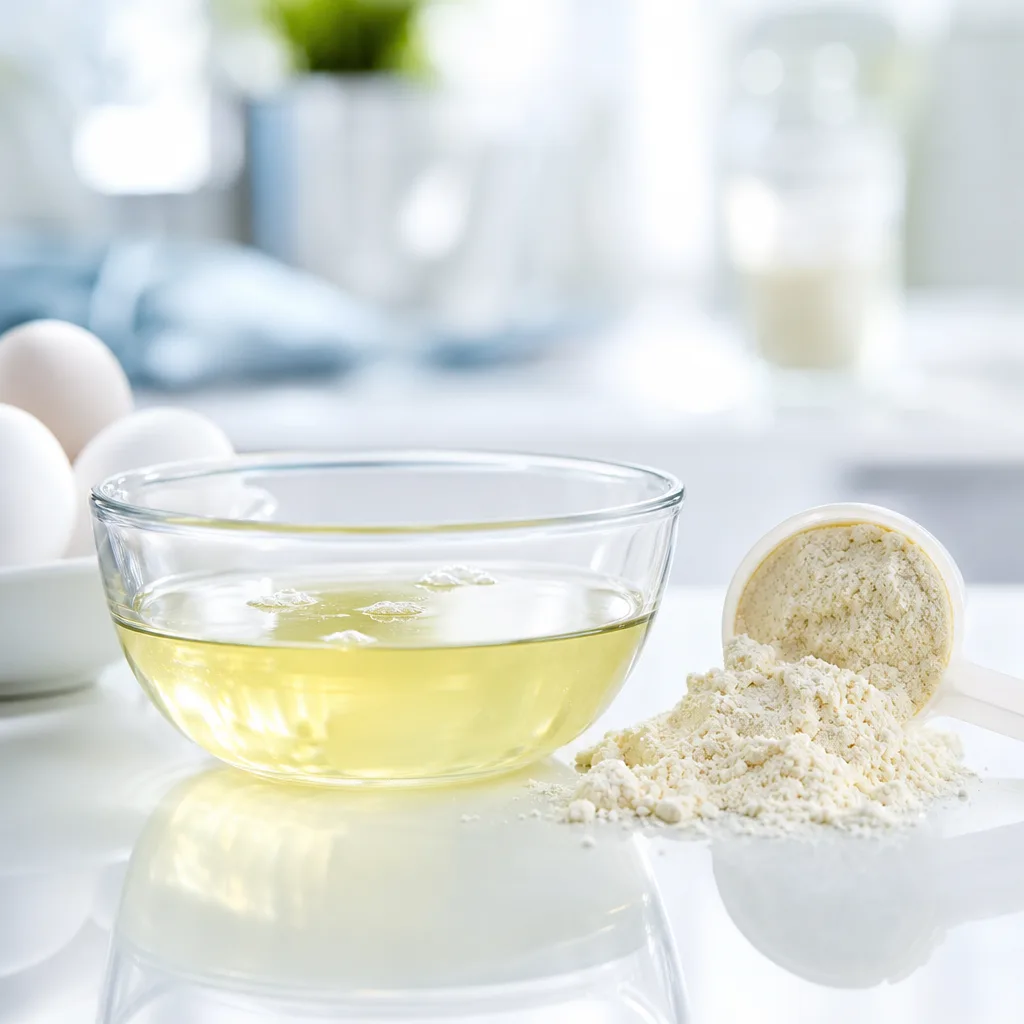
Egg protein is mostly made from dried egg white and is an option for anyone who wants to avoid milk protein but does not live vegan. It is regarded as one of the reference proteins with a high biological value and is lactose-free, which makes it an alternative for milk protein intolerance.
In taste, egg protein differs noticeably from milk and plant proteins; many describe it as somewhat stronger and less neutral. In solubility it usually lies between whey and plant powders, which is why egg protein works well both in shakes and in baked goods such as protein pancakes.
 Matching productEgg ProteinAmazon →
04
Which powder for which goal
There is no single powder that suits all goals; the choice depends on individual preferences, tolerance and diet. The following classification describes typical starting points, not strict rules.
| Situation | Often chosen |
|---|---|
| Fast supply after training | Whey, especially isolate or hydrolysate |
| Slow release, for example in the evening | Casein |
| Lactose sensitivity | Whey isolate, egg protein, plant powders |
| Vegan diet | Pea, rice, soy, hemp, often as a blend |
| Dairy-free but not vegan diet | Egg protein or plant powders |
 Matching productWhey IsolateAmazon →
05
General notes on dosage
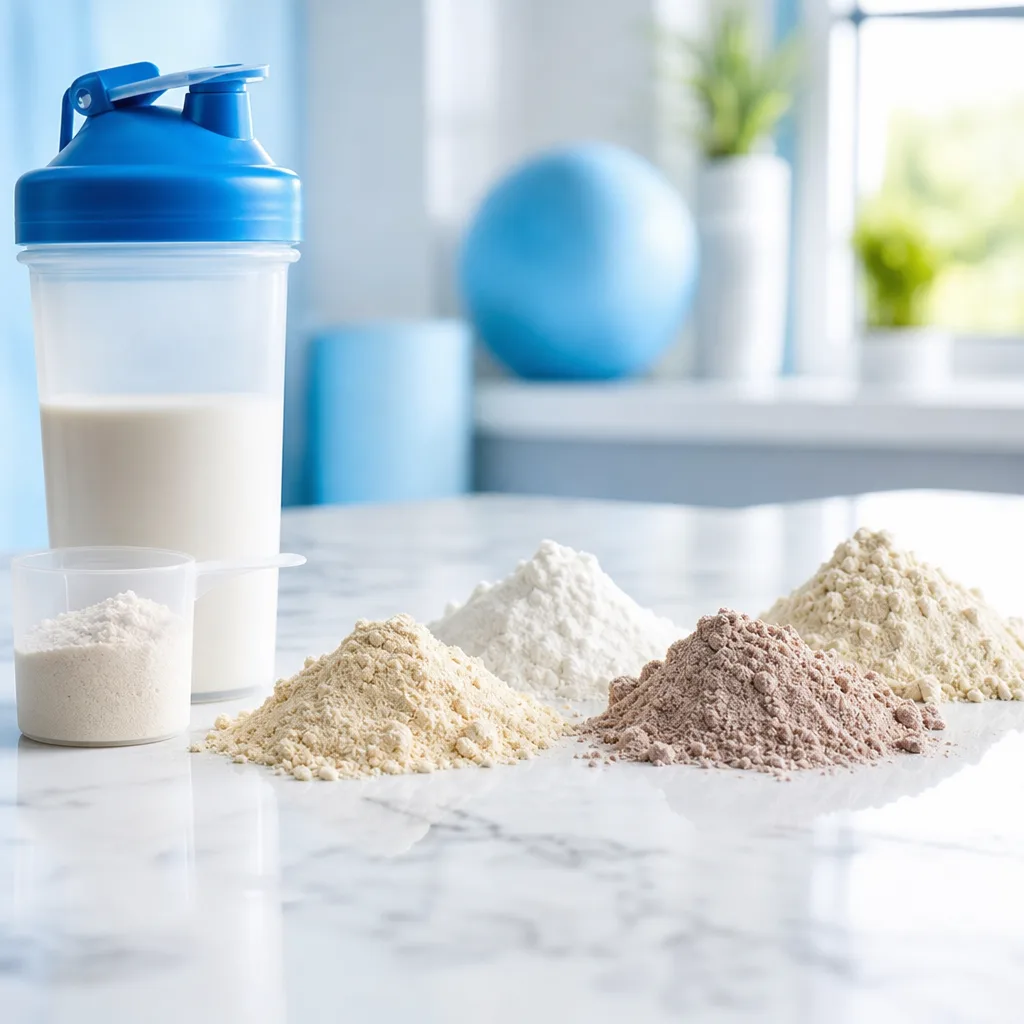
Regardless of the protein type chosen, a serving of powder is often given as about 20 to 30 g, which corresponds to roughly one scoop. How high your personal requirement is overall depends on body weight, activity level and the rest of your menu and can be estimated approximately with the guide calculating protein requirement. People with kidney disease or other pre-existing conditions should have taking protein powder checked by a doctor beforehand.
06
Price, brands and reviews
We deliberately refrain here from naming specific brands, models or prices, as the range changes constantly and individual preferences vary greatly. When comparing different products in the shops, pay attention above all to the actual composition on the packaging rather than to advertising claims.
 Matching productSports BraAmazon →
07
Flavours and additives
Besides the pure protein type, products in the shops often differ greatly in flavours, from neutral through vanilla and chocolate to fruit or caramel notes. The choice of flavours says nothing about the quality of the actual protein source but is a question of recipe. If you react sensitively to certain additives, such as particular sweeteners or thickeners, you will also find the relevant information on the ingredients list, not in the description of the protein type itself.
08
Frequently asked questions
Which protein powder is best?
There is no blanket best protein powder; the right choice depends on your objective, tolerance and diet. Both animal and plant proteins can be used equivalently from a nutritional physiology point of view.
Can you mix different protein powders?
Yes, many people combine, for example, whey after training with casein in the evening, or mix several plant sources. This can help combine different properties such as speed and amino acid profile.
Is more expensive protein powder automatically better?
Not necessarily; the price depends on many factors such as degree of processing, origin and brand positioning. What matters for quality is above all the composition according to the ingredients list.
How do I recognise a good protein powder?
A look at the actual protein content per serving, the amino acid profile and the ingredients list tells you more than advertising claims on the packaging.
Can animal protein simply be replaced by plant protein?
In most cases yes, provided attention is paid to a sufficiently complete amino acid profile, for example through a blend of several plant sources. Differences show up mainly in taste and consistency, less in fundamental suitability.
Why do prices differ between protein types?
Production effort, raw material availability and degree of processing affect the price; we deliberately give no specific figures here, as the range changes constantly. A higher price is not a reliable sign of quality.
Can I use several protein sources at the same time?
Yes, that is unproblematic as long as the total amount of protein taken in stays within your personal requirement. Some multi-component products already combine several sources in one powder anyway.
How often should I switch protein powder?
Switching is not necessary as long as the chosen product is well tolerated and suits your own diet. Variety can still make sense, to vary taste and amino acid profile.
How do I find out which protein type suits me?
The simplest way is to take your own diet, possible intolerances and preferred taste as a starting point and then use the tables in this comparison to narrow down which type is an option.
Do I have to decide on one protein type?
No, many people use different protein powders depending on the situation, for example whey after training and a plant-based powder on other days. A strict commitment to a single type is not necessary.
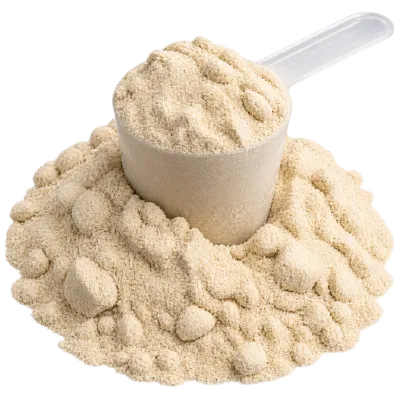 Matching productVegan Protein BlendAmazon →
Explore
Read next
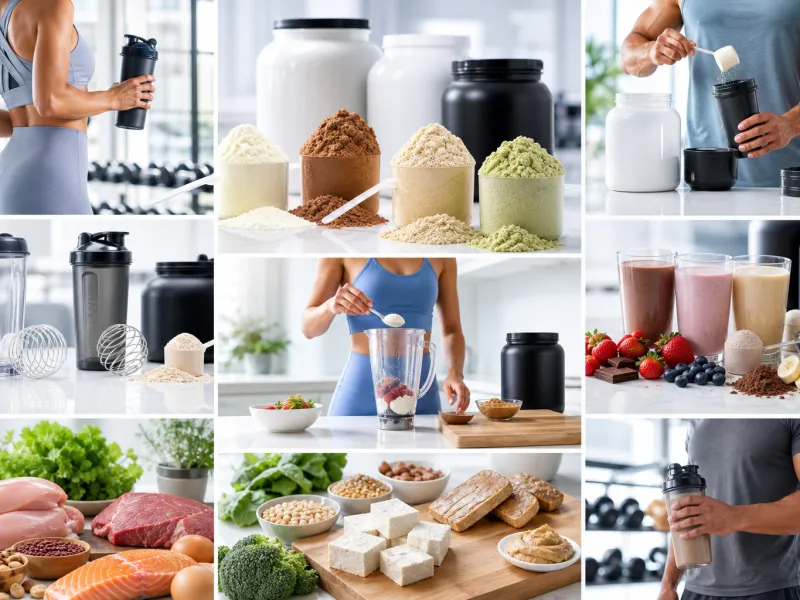 Protein types at a glance: whey, casein, plant-based and moreAn overview of all common protein types from whey to collagen, with a comparison table and links to detailed guides.
 Amino Acids: The Building Blocks of ProteinStructure, classification and functions of amino acids at a glance, with a table of all 20 proteinogenic amino acids and links to all guide…
 Supplements for Sport and Fitness: A Factual OverviewAll supplement categories at a glance, with the evidence rated from good to thin, plus safety and buying tips.