
6 min read
Vegan protein: pea, rice, soy and hemp at a glance
Pea, rice, soy and hemp compared: amino acid profile, sensible combinations, taste and environmental aspects of vegan protein powders.
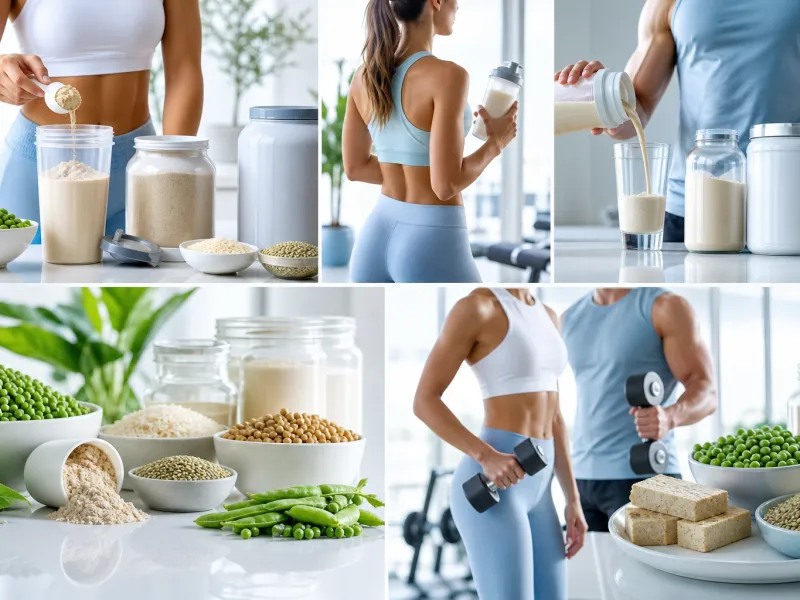
Plant-based protein has developed in recent years from a niche into a fixture on the protein powder shelf. Pea, rice, soy and hemp are the best-known sources, often also combined as a blend.
In this guide we explain the most important plant protein sources, their amino acid profile, why combinations can make sense, how taste and consistency differ and what role the environmental footprint plays.
Unlike a single animal protein source such as whey, plant protein has no one standard source but a whole range of plants that differ in origin, processing and nutritional profile. That makes the comparison somewhat more involved, but it also opens up more possibilities for finding a suitable option for your own taste and diet.
01
Pea protein
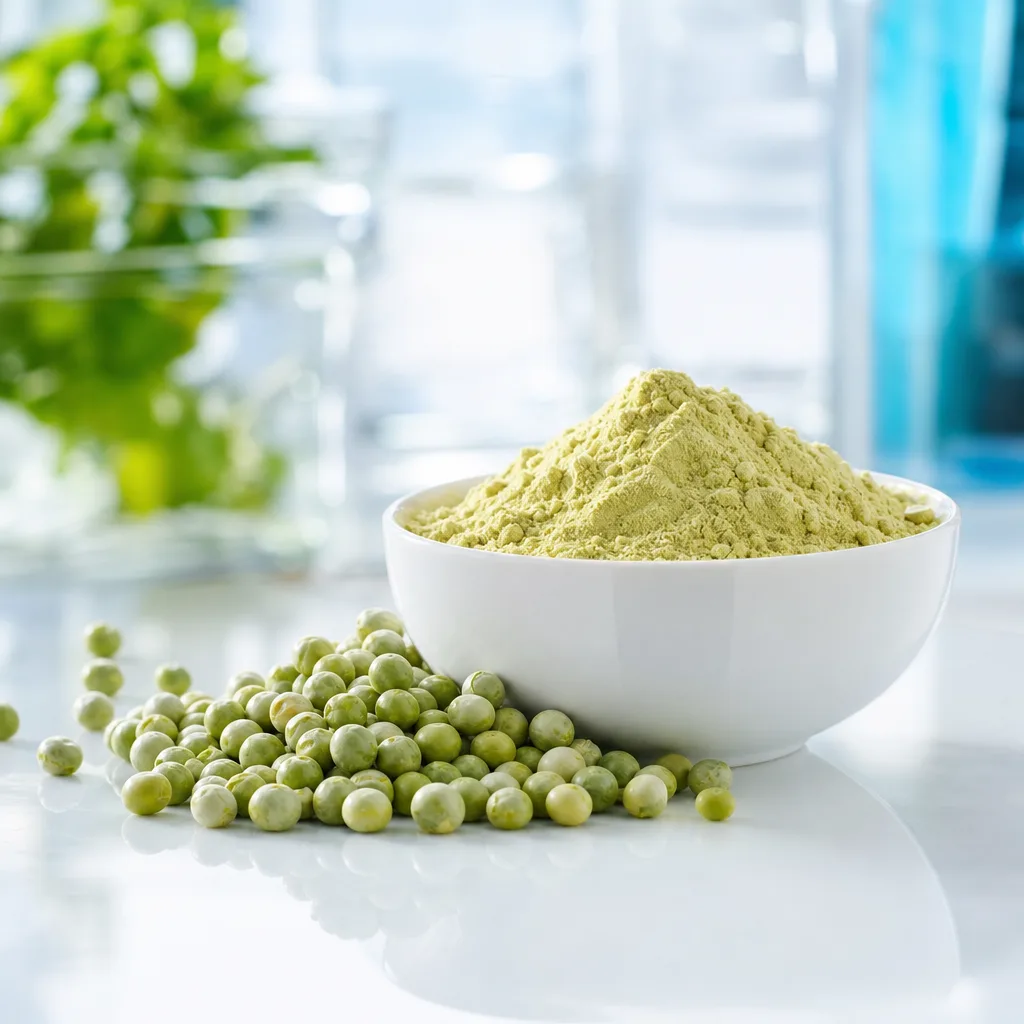
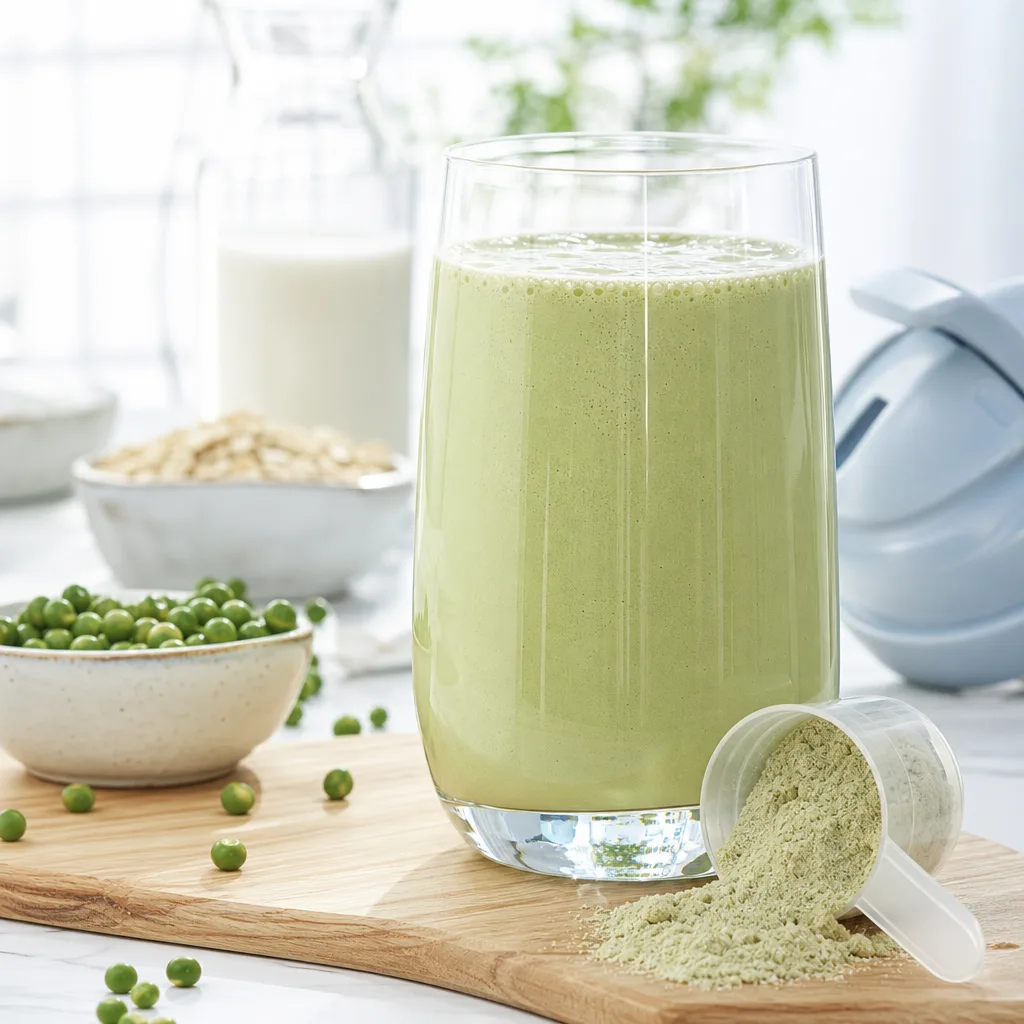
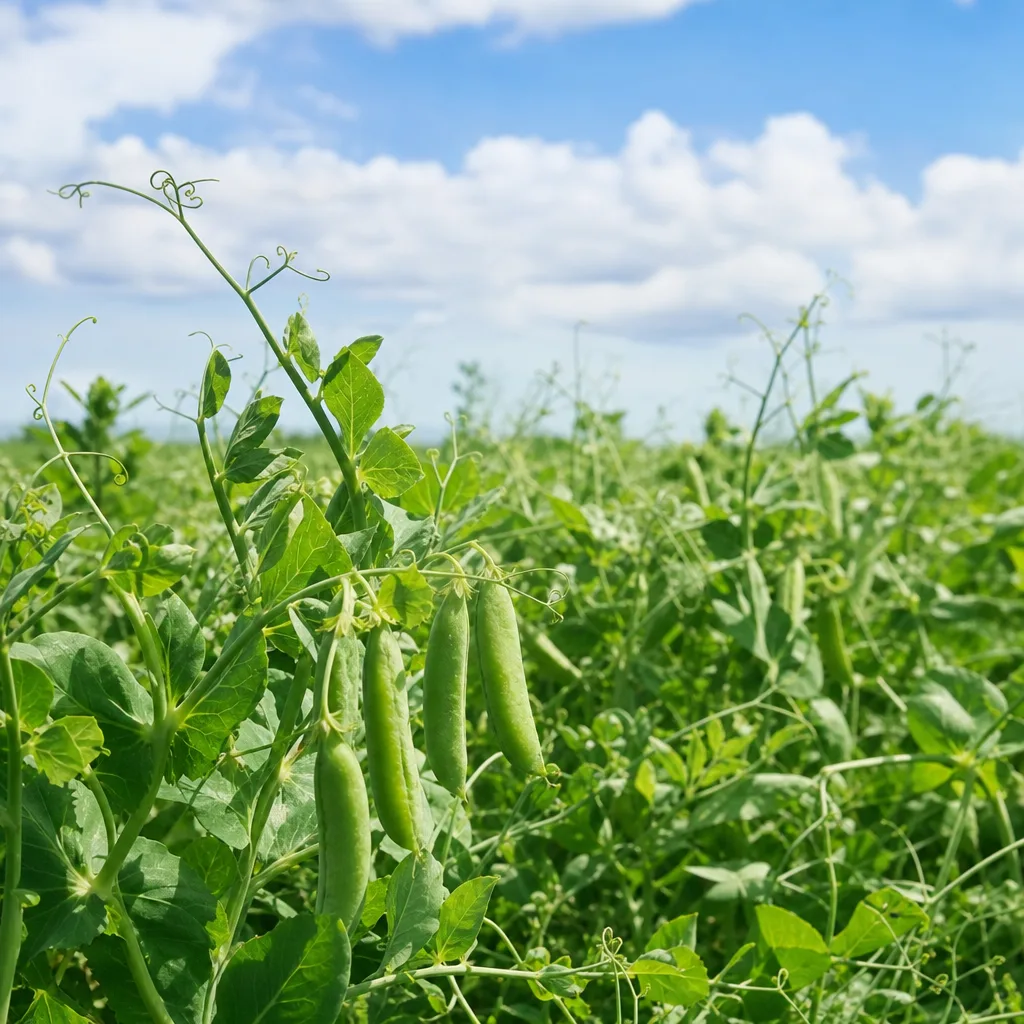
Pea protein is obtained from yellow peas and is one of the most popular plant protein sources. It provides plenty of branched-chain amino acids and is considered fairly balanced overall among the essential amino acids, but is typically somewhat lower in the sulphur-containing amino acid methionine. In taste, pea protein is often described as slightly earthy, which many manufacturers offset with flavourings.
One advantage of pea protein is its comparatively good solubility compared with some other plant sources. Pea is also regarded as an ingredient that rarely triggers allergic reactions, which makes it a frequently chosen base for multi-component products that combine several plant proteins.
 Matching productEAA PowderAmazon →
02
Rice protein
Rice protein mostly comes from brown rice and is characterised by a mild, neutral taste. In its amino acid profile, rice protein tends to be lower in lysine but rich in sulphur-containing amino acids such as methionine, that is, exactly the reverse of pea protein. This contrast is an important reason why rice and pea protein so often appear together in powder blends.
Besides the amino acid profile, rice protein appeals to many people mainly through its restrained flavour of its own, which combines well with fruit or cocoa flavourings. As the sole protein source over a longer period it is nevertheless used less often, and it is mostly found as part of a blend.
 Matching productL-LysineAmazon →
03
Soy protein
Soy protein is regarded as particularly complete among plant protein sources, as it contains all essential amino acids in a comparatively balanced ratio. In rating systems such as PDCAAS, isolated soy protein often scores as well as some animal proteins. Some people nevertheless prefer other sources, for example out of personal taste or because of a soy allergy.
To produce soy protein as a powder, soy flour is usually obtained first, and fat and carbohydrates are then separated from it in further steps until a concentrated or isolated protein powder with a high protein share remains. In its basic logic this process resembles the production of whey from whey, only on a plant basis.
Soy protein also has a long tradition in food production, far beyond the field of protein powders. Tofu, tempeh and soy yoghurt are also made from soybeans, so soy protein can be built into a plant-based diet in very different forms, not just as a shake.
 Matching productWhey Protein ConcentrateAmazon →
04
Hemp protein
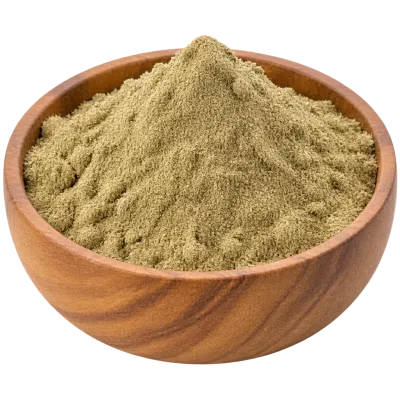
Hemp protein is obtained from the press cake left over from hemp seed oil production and brings fibre and fatty acids alongside protein. The protein content is lower than with pea, rice or soy, but many people find the nutty, slightly grassy taste pleasant. Among the essential amino acids, hemp protein, like rice protein, is rather weaker in lysine.
Because of the fat and fibre it contains, hemp protein is less suitable for people who are specifically looking for a very concentrated, low-fat protein source. Those who like to use whole foods rather than heavily isolated powders anyway will find hemp protein a more natural alternative.
 Matching productHemp ProteinAmazon →
05
Amino acid profile and sensible combinations
| Source | Strength in the profile | Rather weaker in |
|---|---|---|
| Pea | lysine, BCAAs | methionine |
| Rice | methionine | lysine |
| Soy | balanced overall | methionine, slightly reduced |
| Hemp | fatty acids, fibre | lysine |
Since individual plant protein sources are each somewhat weaker in individual amino acids, many manufacturers offset this with multi-component products, such as a blend of pea and rice. Across the day, however, a complete amino acid profile can also be reached entirely without powder by combining different plant foods. How this looks in everyday life is explained in detail in the guide combining plant protein sources.
Beyond pea, rice, soy and hemp there are further plant protein sources, for example from potatoes, pumpkin seeds or lupins, which appear less often in standard powders but also contribute to the variety of a plant-based diet. For most uses, however, the four main sources mentioned are enough to reach a rounded amino acid profile.
 Matching productGlycineAmazon →
06
Taste and consistency
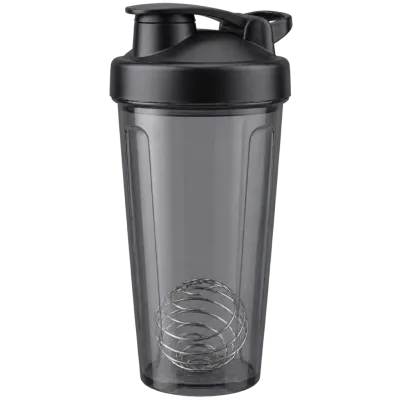
Plant protein powders differ in mouthfeel, in some cases considerably, from whey. Many varieties are somewhat grainier and do not dissolve quite as completely, which is why a good shaker or a blender helps when mixing. Flavoured varieties with vanilla, chocolate or fruit are meant to offset the sometimes earthy or bitter taste of the raw materials. If you prefer a shake that is as neutral as possible, you are more likely to choose rice or soy protein, and if you like nutty notes, hemp protein often serves well.
To avoid lumps, it helps to stir the powder smooth in a little liquid first and only then top up with the rest, or to use a shaker with a mixing ball straight away. If you want to avoid the grainy structure altogether, you can also process plant protein powder in a blender with fruit, which at the same time gives a creamier result.
 Matching productShakerAmazon →
07
Environmental aspects
A frequently cited reason for plant protein sources is the environmental footprint of cultivation, since plant protein sources generally need less land and water than animal production. Exact figures differ considerably depending on growing region, processing and study, which is why we deliberately refrain from giving specific numbers here. What matters: from a nutritional physiology point of view, animal and plant proteins are fundamentally equivalent, and the choice is ultimately also a question of personal values and preferences.
 Matching productQuinoaAmazon →
08
Who plant-based protein is particularly suited to
Vegan protein is naturally aimed first at people who follow a vegan or mainly plant-based diet, but it is just as interesting for anyone who wants to avoid milk protein or lactose without turning to egg protein. Out of curiosity, or to make their own protein supply more varied, many people also reach for plant-based powders now and then, even if they continue to use whey or casein on other days.
 Matching productCasein ProteinAmazon →
09
Frequently asked questions
Is a mix of several plant proteins necessary?
Not necessary, but sensible if you eat an entirely plant-based diet and do not balance your amino acid profile across the day anyway. With a varied diet including different plant foods, the issue matters less.
Does vegan protein taste different from whey?
Yes, most plant powders have a somewhat different, often slightly grainier consistency and a base taste of their own that varies with the raw material. Flavoured varieties offset this for many people.
Is vegan protein suitable for building muscle?
Yes, with a sufficient total amount and a reasonably complete amino acid profile across the day, plant protein is fundamentally suitable for this. You will find details in the guide protein for muscle building.
How can I tell whether a plant protein powder is high quality?
A look at the ingredients list and the amino acid profile reveals more than the advertising claims on the packaging. For multi-component products it is also worth checking which sources exactly have been combined.
Which plant protein source has the least taste of its own?
Rice protein is generally regarded as one of the more neutral options in taste, and soy protein is also perceived as mild by many.
Can I mix vegan protein with animal protein?
Yes, that is unproblematic and is used by some people to balance taste, consistency and amino acid profile. What remains decisive is the total amount of protein taken in across the day.
How long does vegan protein powder keep?
Stored dry and tightly closed, plant protein powder generally stays stable for many months, like animal protein powders. Once mixed with liquid, however, a shake should be drunk promptly.
Does plant protein contain fewer nutrients than animal protein?
No, as far as protein is concerned, the two are fundamentally equivalent. Differences show up more in accompanying nutrients such as certain vitamins, which should be balanced in the overall diet, regardless of the protein powder chosen.
 Matching productVitamin C PowderAmazon →
Explore
Read next
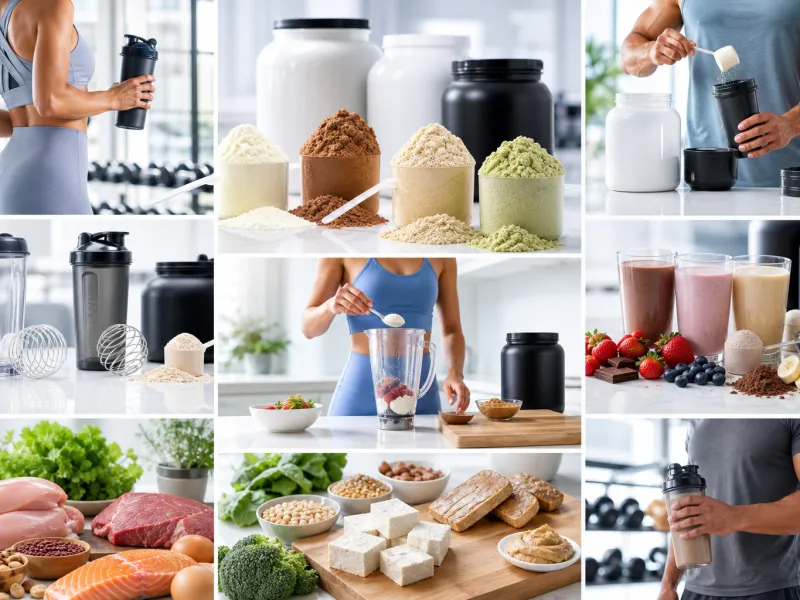 Protein types at a glance: whey, casein, plant-based and moreAn overview of all common protein types from whey to collagen, with a comparison table and links to detailed guides.
 Amino Acids: The Building Blocks of ProteinStructure, classification and functions of amino acids at a glance, with a table of all 20 proteinogenic amino acids and links to all guide…
 Supplements for Sport and Fitness: A Factual OverviewAll supplement categories at a glance, with the evidence rated from good to thin, plus safety and buying tips.