
6 min read
High-protein foods: animal and plant sources at a glance
An overview of animal and plant-based high-protein foods, with a table, tips for combining plant sources and simple everyday ideas.

Protein is found not only in meat and dairy products but also in many plant foods such as legumes, tofu or wholegrain products. Anyone who plans their menu consciously can meet their protein requirement with very different foods, regardless of whether the diet is mainly animal-based or plant-based.
This article shows typical protein contents of common foods, explains how plant protein sources can be combined sensibly, and gives practical tips on how to get more protein into your meals in everyday life.
01
Animal high-protein foods
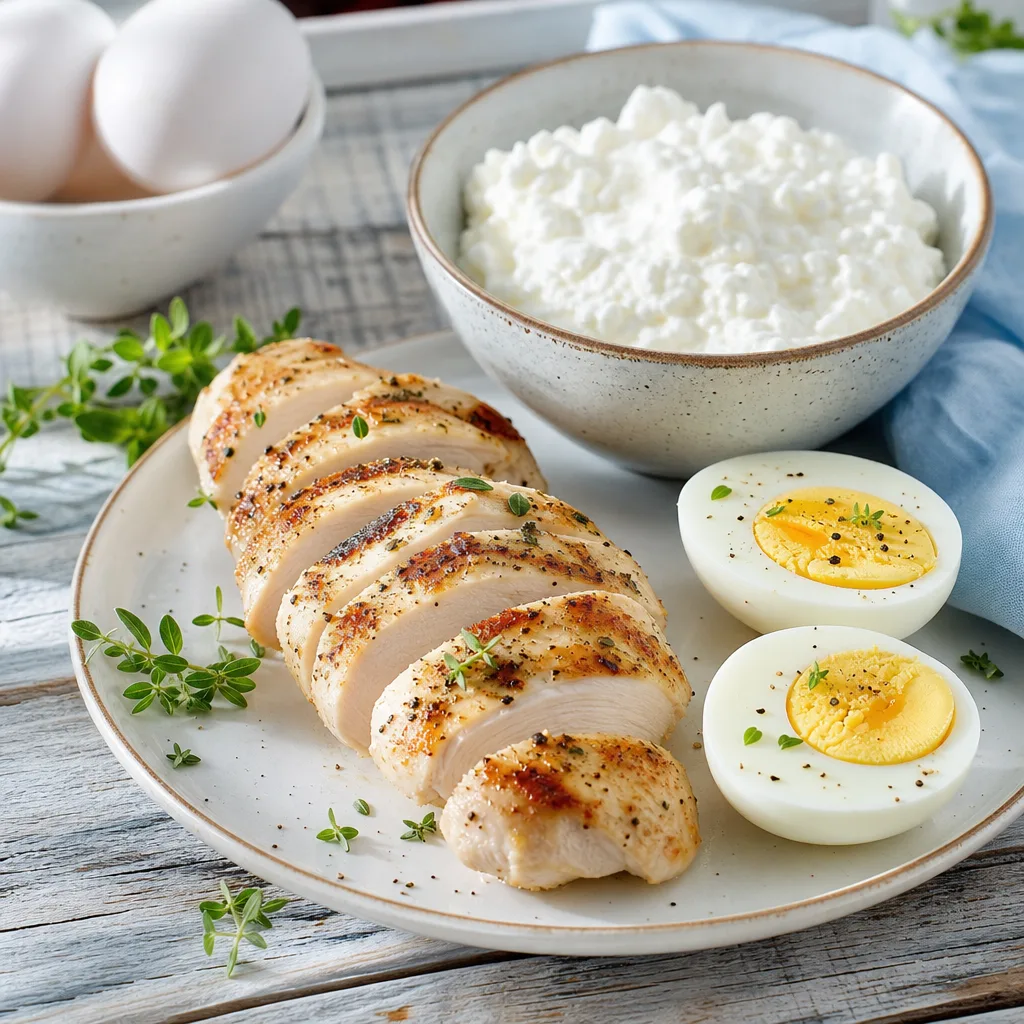
Meat, fish, eggs and dairy products are among the best-known high-protein foods. Chicken breast typically provides about 22 grams of protein per 100 grams, and fish is often in a similar range depending on the variety. Eggs contain about 13 grams of protein per 100 grams, spread across egg white and yolk.
There are larger differences among dairy products: low-fat quark provides about 12 grams per 100 grams and is therefore regarded as a particularly high-protein dairy product, while yoghurt or milk itself are lower. Cottage cheese and skyr also count among the high-protein dairy products with comparatively little fat and are well suited as a base for savoury or sweet snacks. Fish often also provides valuable fatty acids, which is why it can feature regularly on the menu regardless of the protein amount alone. Poultry such as turkey is, like chicken, considered a comparatively lean, high-protein meat and can be prepared in many ways, from fried to boiled to grilled. Red meat such as beef or lamb also provides substantial amounts of protein, but often has a higher fat share as well, so a combination of different types of meat and fish across the week makes sense rather than sticking permanently to a single kind.
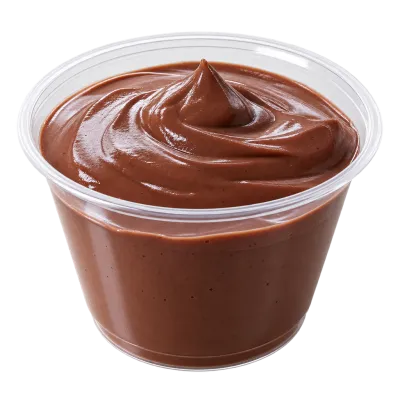 Matching productProtein PuddingAmazon →
02
Plant-based high-protein foods
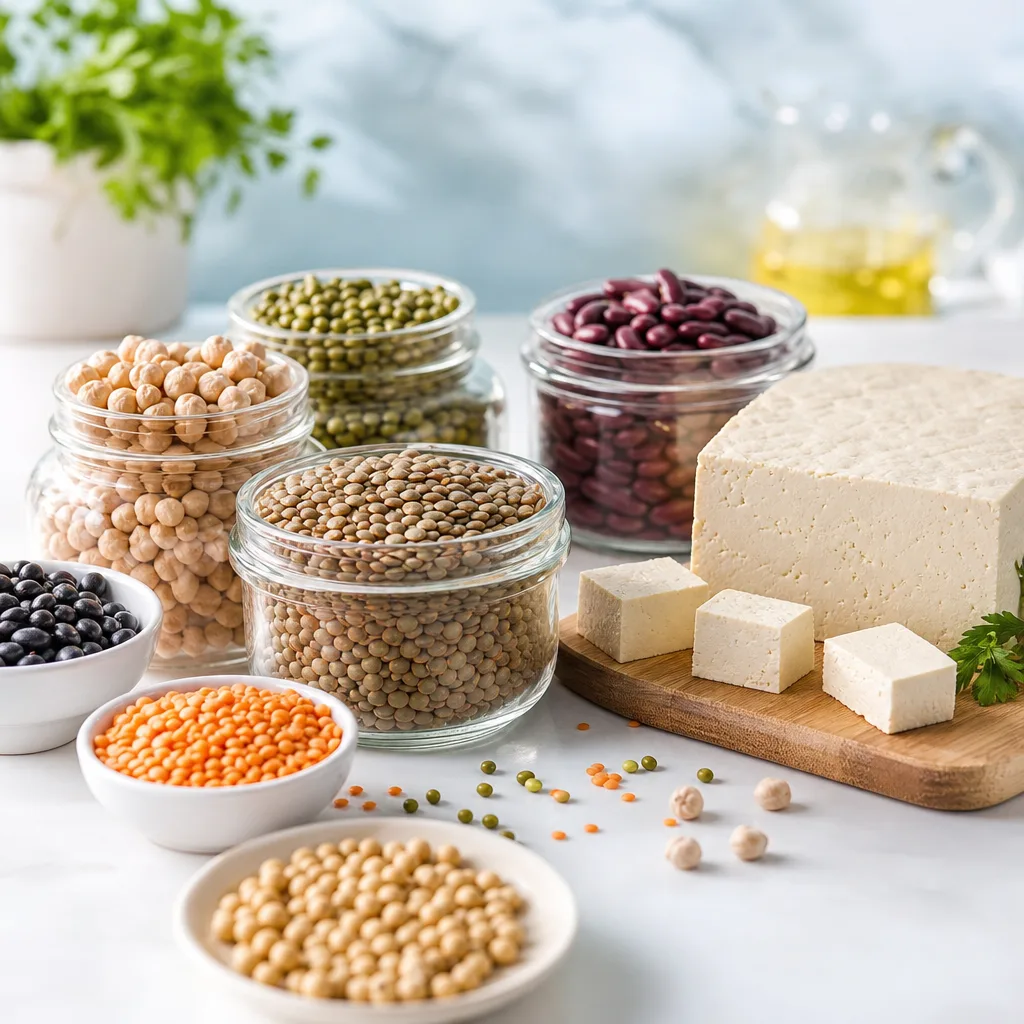
Plant-based cooking also offers numerous high-protein options. Legumes such as lentils, chickpeas or beans typically provide about 8 to 9 grams of protein per 100 grams when cooked and are at the same time rich in fibre. Tofu, made from soybeans, is at about 12 to 16 grams per 100 grams depending on the variety, and tempeh and seitan reach even higher values in some cases because of how they are made.
Nuts and seeds also contain substantial amounts of protein, but together with a high fat share, which is why they contribute to protein intake more in smaller portions. Pumpkin seeds, sunflower seeds and almonds are among the higher-protein members of this group and are well suited as a topping for salads, yoghurt or porridge. Since nuts and seeds are quite energy-dense, a small, handy portion is usually better than a generous amount if you are mainly paying attention to protein intake. Cereal products such as wholegrain bread or wholewheat pasta also provide smaller amounts of protein and so complement the overall intake across the day. You will find more on one important plant source in the glossary entry on legumes and under tofu.
Seitan, made from wheat protein, stands out for a particularly high protein content, but contains gluten and is therefore not suitable for people with coeliac disease or gluten intolerance. If variety matters to you, you can alternate between legumes, tofu, tempeh and seitan, as the products differ markedly in taste, texture and preparation, making it possible to cook very different dishes, from Asian-inspired stir-fries to Mediterranean stews. Quinoa and buckwheat also count as plant protein sources in the broader sense; they provide less protein per 100 grams than legumes, but are considered a comparatively complete plant protein source and are suitable as a side dish or a base for salads.
 Matching productVegan Protein BlendAmazon →
03
Protein content at a glance
| Food | Typical protein content per 100 g |
|---|---|
| Chicken breast | about 22 g |
| Fish, depending on variety | about 18 to 22 g |
| Egg | about 13 g |
| Low-fat quark | about 12 g |
| Cottage cheese | about 11 to 13 g |
| Skyr | about 10 to 11 g |
| Lentils, cooked | about 9 g |
| Chickpeas, cooked | about 8 g |
| Tofu | about 12 to 16 g |
| Tempeh | about 19 to 20 g |
| Nuts, depending on variety | about 15 to 25 g |
| Whey protein powder | about 70 to 90 g |
These values are typical orders of magnitude and can vary depending on variety, processing and manufacturer. For an exact assessment it is always worth looking at the nutrition table of the product in question. It is striking that processed, concentrated products such as protein powder reach considerably higher values per 100 grams than whole foods, because most of the water, fat or carbohydrates have been removed, whereas whole foods usually provide more fibre, vitamins and other nutrients. Both approaches can be combined well, depending on how much time you have to prepare a meal and what matters most to you that day.
 Matching productVitamin C PowderAmazon →
04
Combining plant protein sources
Individual plant foods often do not contain all essential amino acids in an optimal ratio, unlike many animal protein sources. By combining different plant sources, the amino acid profile of the whole meal can be balanced, for example when legumes are combined with cereal products, such as lentils with rice or hummus with wholegrain bread.
This combination does not have to happen within the same meal; it is enough if different plant protein sources are eaten across the day. Combining grains with nuts or seeds, for example wholegrain bread with a seed spread, can likewise contribute to a more balanced amino acid profile. The article combining plant protein sources explains more.
 Matching productEAA PowderAmazon →
05
Protein and satiety
High-protein foods are often considered particularly filling compared with carbohydrates and fat, which can be relevant for designing meals, for example when you want to stay full for a longer period. This effect does not depend on protein content alone, however, but also on the whole meal, the fibre share and individual factors. You will find more on the connection between protein and the feeling of fullness in the glossary entry on satiety. A meal that combines protein, fibre and a moderate portion of fat is felt by many people to be particularly filling, whereas meals very high in carbohydrates and low in protein often bring hunger back more quickly.
 Matching productRice CakesAmazon →
06
Everyday tips for more protein
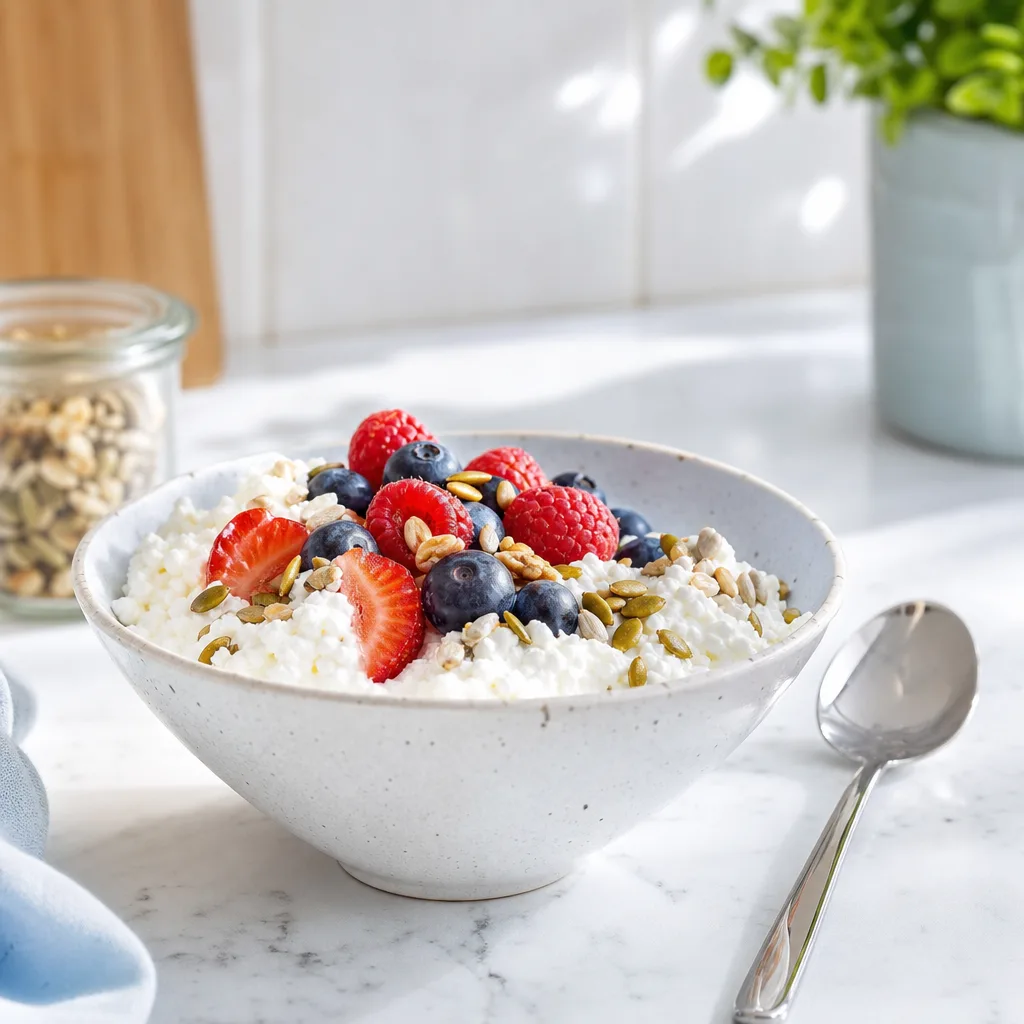
Small adjustments in everyday life can help raise protein intake across the day without completely changing your diet. A spoonful of cottage cheese or low-fat quark at breakfast, a handful of nuts as a snack, legumes as a side with lunch or an extra egg in a salad are simple examples.
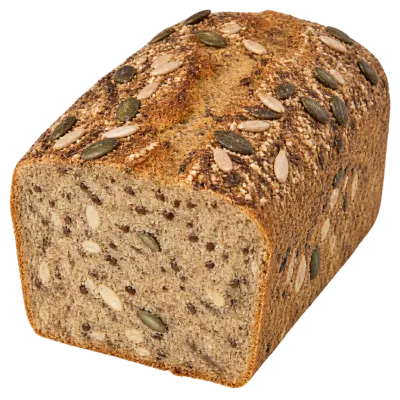
Deliberately choosing higher-protein versions of familiar foods, such as wholegrain bread instead of white bread or plain yoghurt instead of a sweetened fruit yoghurt, can also make a difference over the day. If you cook soups or stews, you can also simply add a portion of legumes, which usually changes the taste only a little but noticeably raises the protein and fibre content of the meal. You will find ideas for a high-protein breakfast further down in the frequently asked questions. If you are short of time, you can also fall back on simple combinations, such as wholegrain bread with egg, a yoghurt with nuts or a quick lentil soup that can be prepared in a larger batch and reheated in portions over several days.
 Matching productProtein Bread Baking MixAmazon →
07
Frequently asked questions
Which high-protein foods are suitable for breakfast
Low-fat quark, cottage cheese, eggs and skyr are well suited as a base for a high-protein breakfast, complemented by oats, nuts or seeds. You will find more ideas in the article high-protein breakfast.
Are plant proteins worse than animal proteins
Not fundamentally. Plant and animal protein sources can both be part of a balanced diet, and plant sources often benefit from a combination of several foods to reach as complete an amino acid profile as possible. In daily practice, the individual source also matters less than the whole of the foods eaten across the day, which is why a varied selection pays off more in the long term than constantly repeating the same few foods.
How much protein does a meal need to be filling
There is no blanket figure here, as satiety depends on the whole meal, not only on the protein content. A combination of protein, fibre and a moderate portion size is usually more filling than a single nutrient alone, regardless of which specific high-protein foods are on the plate.
Is a normal diet enough to get sufficient protein
For most healthy people with average activity, the requirement can be met, according to the DGE (German Nutrition Society) reference value, with a balanced, varied diet that regularly includes dairy products, meat, fish, eggs or plant protein sources such as legumes and tofu. If requirement is raised, for example through intensive training, it is worth paying closer attention to a high-protein breakfast and other high-protein meals across the day, as described in the previous sections of this article.
Explore
Read next
 Protein types at a glance: whey, casein, plant-based and moreAn overview of all common protein types from whey to collagen, with a comparison table and links to detailed guides.
 Amino Acids: The Building Blocks of ProteinStructure, classification and functions of amino acids at a glance, with a table of all 20 proteinogenic amino acids and links to all guide…
 Supplements for Sport and Fitness: A Factual OverviewAll supplement categories at a glance, with the evidence rated from good to thin, plus safety and buying tips.