
6 min read
Protein and Kidneys: Myths Put in Perspective
Does protein harm the kidneys? A sober look at common myths around protein and kidney health.

Many claims circulate about protein and the kidneys, from the worry that high protein intake harms the kidneys in general to blanket limits that supposedly nobody may exceed. This article puts the most common myths into perspective and shows where caution is genuinely appropriate.
Important note first: this text does not replace individual medical advice. If you have existing kidney disease or other health restrictions, always seek medical advice before changing your protein intake.
01
Healthy Kidneys and Protein Intake in General
In healthy people with normal kidney function, a higher protein intake, as discussed in sports science for strength training or diet phases with ranges of about 1.2 to 2.0 g per kilogram of body weight, is generally regarded in the specialist literature as safe. The kidneys adjust their filtering performance to a higher protein intake, much as the body adapts to other eating habits. In healthy kidneys this adjustment is part of normal function and not a sign of damage.
The distinction between healthy and already impaired kidneys is important. For people without known kidney disease, the current evidence offers no convincing indication that a protein intake usual in sports science damages kidney function. Even so, drinking enough remains sensible with a higher protein intake, as the breakdown of protein in metabolism produces substances that have to be excreted by the kidneys, for which the body needs enough fluid.
In nutrition science it is often stressed that concerns about kidney health historically stem mainly from observations in people who already had kidney disease, and were in public perception partly wrongly transferred to healthy people. This mixing of two different starting situations is an important source of the widespread but imprecise myth that protein is generally risky for the kidneys.

02
Caution with Existing Kidney Disease
The situation is different for people with existing kidney disease. Here a high protein intake can put additional strain on the affected kidneys, which is why in medical practice an adjusted, sometimes reduced protein intake is often recommended for certain kidney diseases. The appropriate amount depends heavily on the individual clinical picture and stage and should be determined exclusively with medical or clinical nutrition support. This site deliberately gives no figures of its own on this, as a blanket recommendation would not do justice to the individual case.
If you do not know yourself whether you have kidney disease but feel unsure, for example because of a family history or unclear complaints, you should have this question checked medically before significantly increasing your protein intake, rather than relying on general information from the internet alone. Such a check is straightforward and brings clarity for planning your diet individually.
03
The Myth of the Fixed 30 g Limit
A widespread myth says the body can only use about 30 g of protein per meal anyway and that anything above that is useless or is automatically turned into fat. This idea is too simplified. The body can also digest and use larger amounts of protein, for example for muscle protein synthesis, the maintenance of tissue or other metabolic processes. Some studies do suggest that the additional effect of a single very large amount of protein on muscle protein synthesis becomes smaller beyond a certain point, but that does not mean surplus protein goes unused or is harmful. You can read more about a sensible amount per meal in the article Protein for Muscle Building.
 Matching productL-LeucineAmazon →
04
The Myth: Protein Powder Is Chemicals
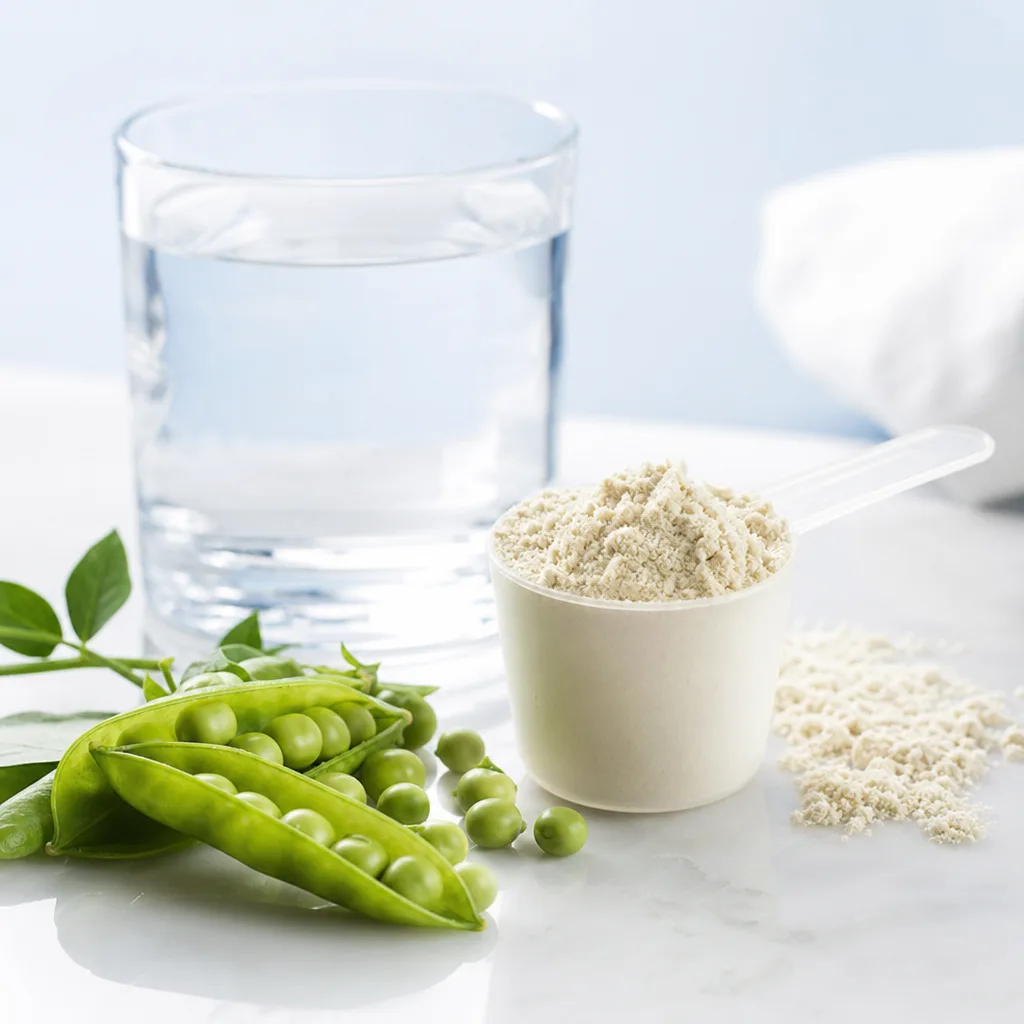
Protein powder is occasionally portrayed across the board as an artificial, chemical product. In fact it is usually concentrated protein from natural starting materials such as milk, peas, rice or soy, obtained and concentrated from the raw material by physical or enzymatic processes. Depending on the product, flavourings, sweeteners or thickeners may also be included, which are approved and assessed in the European Union. If you want to know more precisely what is in a particular product, you will find guidance in the article Reading a Protein Powder Ingredient List.
The term chemicals is often used indiscriminately in this context. Every food consists of chemical compounds, including an apple or a piece of meat. What matters is not whether a product has been processed, but which ingredients it contains and in what amounts. A look at the ingredient list gives more reliable information here than a blanket classification as natural or chemical.
 Matching productVitamin C PowderAmazon →
05
The Myth: Protein Automatically Makes You Fat
Like any nutrient, protein provides energy, specifically about 4 kilocalories per gram. Weight gain, however, results from a sustained calorie surplus overall, regardless of which nutrient the surplus energy comes from. Protein also has a comparatively high thermic effect and is often filling, which in practice can rather help keep total calorie intake in check. You can read more in the article Protein for Weight Loss.
This myth probably arises partly because high-protein foods such as fatty meat, some sausage products or heavily processed protein bars can at the same time contain a lot of fat or sugar. In that case it is not the protein itself but the additional energy from fat or sugar that contributes to possible weight gain. Lean meat, fish, legumes, eggs or low-fat quark, on the other hand, provide plenty of protein with a comparatively moderate energy content.
 Matching productWeight GainerAmazon →
06
Other Misunderstandings About Protein
Besides the myths above, other claims circulate that deserve a closer look. One of them is that the body generally uses plant protein less well than animal protein. That is not true in this blanket form: individual plant foods often do have a limiting amino acid, but a varied diet with different plant protein sources can readily make up for this. Another widespread claim is that a lot of protein automatically leads to constipation or other digestive complaints. In fact such complaints are more often linked to a diet low in fibre overall than to the amount of protein alone, which is why a sufficient intake of vegetables, wholegrain products and legumes remains important alongside protein intake.
 Matching productQuinoaAmazon →
07
Overview of the Myths
| Myth | Sober assessment |
|---|---|
| Protein harms the kidneys in general | with healthy kidneys, no reliable evidence for this |
| Fixed 30 g limit per meal | too simplified, the body also uses larger amounts |
| Protein powder is pure chemicals | usually concentrated protein from natural raw materials |
| Protein automatically makes you fat | the overall calorie balance is decisive, not the nutrient alone |
08
When Medical Advice Matters
With known kidney disease, but also with unclear complaints related to the kidneys, protein intake should not be raised significantly on your own. A conversation with medical or clinical nutrition professionals helps to find an amount that suits you individually. You can find general background on protein requirements on our page Protein Requirements.
For other pre-existing conditions too, such as certain liver diseases or metabolic disorders, an individual adjustment of protein intake may make sense. No blanket statement can be made that applies to all health situations, which is why a personal professional assessment brings the greatest benefit in such cases.
 Matching productExercise MatAmazon →
09
Frequently Asked Questions
Does a high-protein diet harm healthy kidneys?
According to current evidence there is no convincing proof of this in healthy people. With existing kidney disease, caution and medical advice are important.
Is there a fixed upper limit for protein per meal?
A universally valid fixed limit such as 30 g has not been demonstrated. The body can also use larger amounts, although the additional effect on muscle protein synthesis per meal may become smaller beyond a certain point.
Is protein powder unhealthy because it is made industrially?
Industrial processing does not automatically make a food a concern. Protein powder is usually obtained from natural raw materials and is subject to food law requirements in the European Union.
How do I know if I am eating too much protein?
A blanket assessment is difficult without individual consideration. If you are unsure or have health questions, medical or nutrition advice is sensible.
Is a kidney value in a blood test a good indicator?
Certain blood values give indications of kidney function, but interpreting them belongs in medical hands and not in a general self-assessment without professional advice.
Should I pay special attention to my kidneys when doing sport?
For healthy people without known kidney disease there is no proven special reason for this, although drinking enough remains sensible with intensive physical activity and a higher protein intake.
Explore
Read next
 Protein types at a glance: whey, casein, plant-based and moreAn overview of all common protein types from whey to collagen, with a comparison table and links to detailed guides.
 Amino Acids: The Building Blocks of ProteinStructure, classification and functions of amino acids at a glance, with a table of all 20 proteinogenic amino acids and links to all guide…
 Supplements for Sport and Fitness: A Factual OverviewAll supplement categories at a glance, with the evidence rated from good to thin, plus safety and buying tips.