
4 min read
Protein for Weight Loss: Satiety, Metabolism and Muscle Retention
Protein can support weight loss through satiety, the thermic effect and muscle retention. An overview of its effects and typical amounts.

If you want to lose weight, protein plays a special role. Protein is comparatively filling, helps you keep your muscle in a calorie deficit, and has a higher thermic effect than carbohydrates or fat. That does not mean protein alone causes weight loss, but it can be a sensible building block in a balanced diet.
In this article you will learn how protein affects satiety, energy expenditure and muscle mass, which amounts are discussed in sports science and which foods you can use to make your everyday diet higher in protein.
01
Satiety from Protein
Of the three macronutrients, protein is often regarded as the one with the strongest effect on the feeling of fullness. A protein-rich meal can help you feel full for longer than after a comparable meal with less protein. This is partly because protein influences the release of certain satiety hormones in the digestive tract and tends to prolong the time food stays in the stomach.
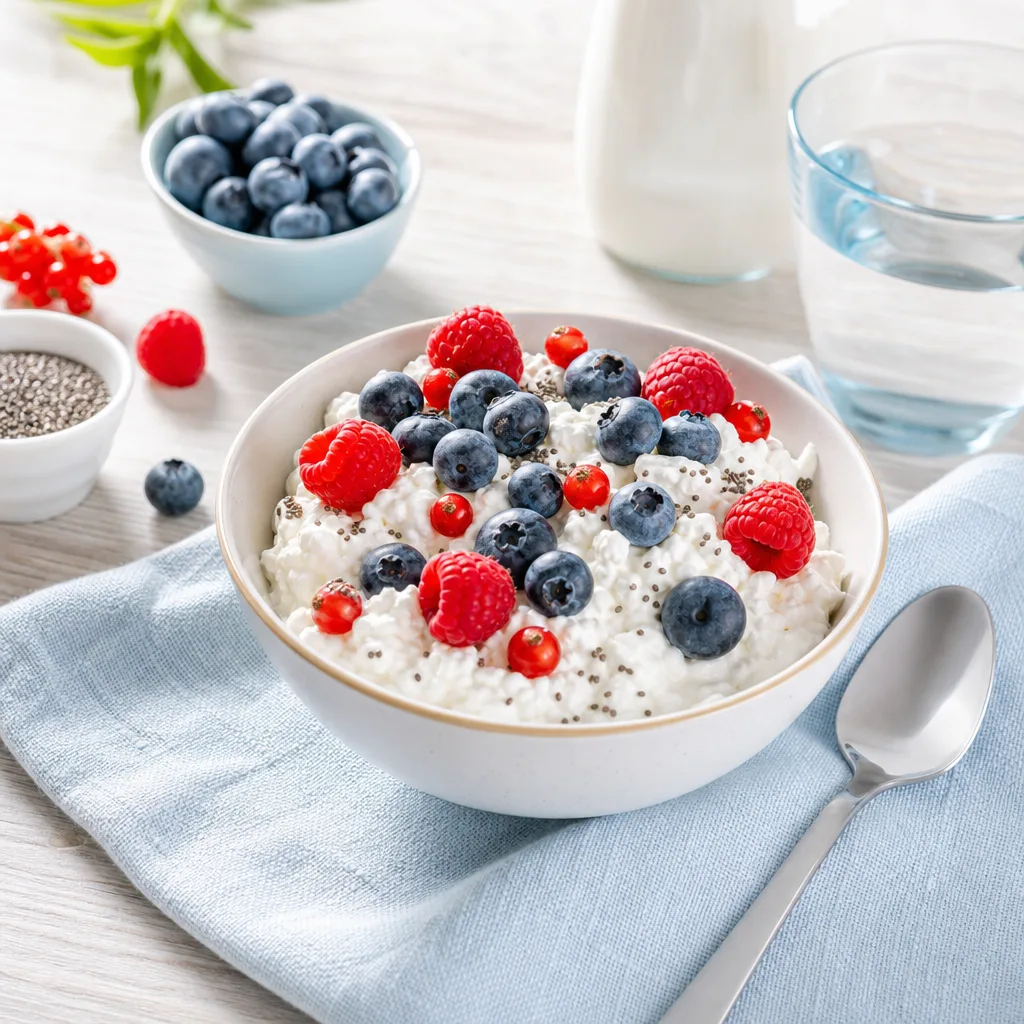
For everyday life this means: if you deliberately plan a protein source into breakfast, lunch or dinner, such as low-fat quark, eggs, legumes, tofu or poultry, it can help you feel less hungry between meals. This is especially helpful in a phase of reduced calorie intake, because cravings are a common stumbling block there.
02
Thermic Effect of Digestion
Every nutrient costs the body energy to be digested, absorbed and processed. This is known as the thermic effect of food. For protein this effect is considerably higher than for fat or carbohydrates: part of the energy taken in through protein is spent straight away on processing it. In sports science, figures of about 20 to 30 percent of the energy consumed are often cited for this, compared with about 5 to 10 percent for carbohydrates and only about 0 to 3 percent for fat.
This difference is not a free pass for unlimited amounts, but it explains why a higher-protein way of eating often comes out slightly better in the balance than a diet very heavy in carbohydrates or fat, at the same calorie count.
 Matching productRice CakesAmazon →
03
Muscle Retention in a Calorie Deficit
A calorie deficit is stress for the body: it receives less energy than it uses and has to take the difference from its reserves. Without enough protein and without strength training, there is a risk that muscle mass is broken down as well as fat mass. Muscle, however, is metabolically active tissue that uses energy even at rest, which is why keeping it matters in the long run for your basal metabolic rate.
Sufficient protein intake combined with regular strength training can help ensure that, in a calorie deficit, a larger share of the weight lost comes from fat mass and a smaller share from muscle mass. What matters here: protein alone does not replace training, but works mainly in combination with muscular loading.
04
How Much Protein Can Make Sense When Losing Weight
The DGE (German Nutrition Society) gives a guide value for healthy adults of about 0.8 g of protein per kilogram of body weight per day. In sports science, higher ranges of about 1.2 to 2.0 g per kilogram of body weight are often discussed for phases with a calorie deficit or intensive training. This is not a recommendation from this site, but an overview of common figures from the specialist literature, which you can compare with your individual requirements and, where appropriate, with medical or nutrition advice.
People with kidney disease or other health restrictions should in general not adopt a higher protein intake without consulting a doctor, as individual requirements and possible restrictions can vary greatly.
05
High-Protein Foods for the Weight-Loss Phase
The following table shows typical protein contents of some foods per 100 g. These are guide values that can vary depending on the product and preparation.
| Food | Protein per 100 g (approx.) | Note |
|---|---|---|
| Low-fat quark | about 12 g | also low in fat, very filling |
| Chicken breast | about 22 g | lean animal protein |
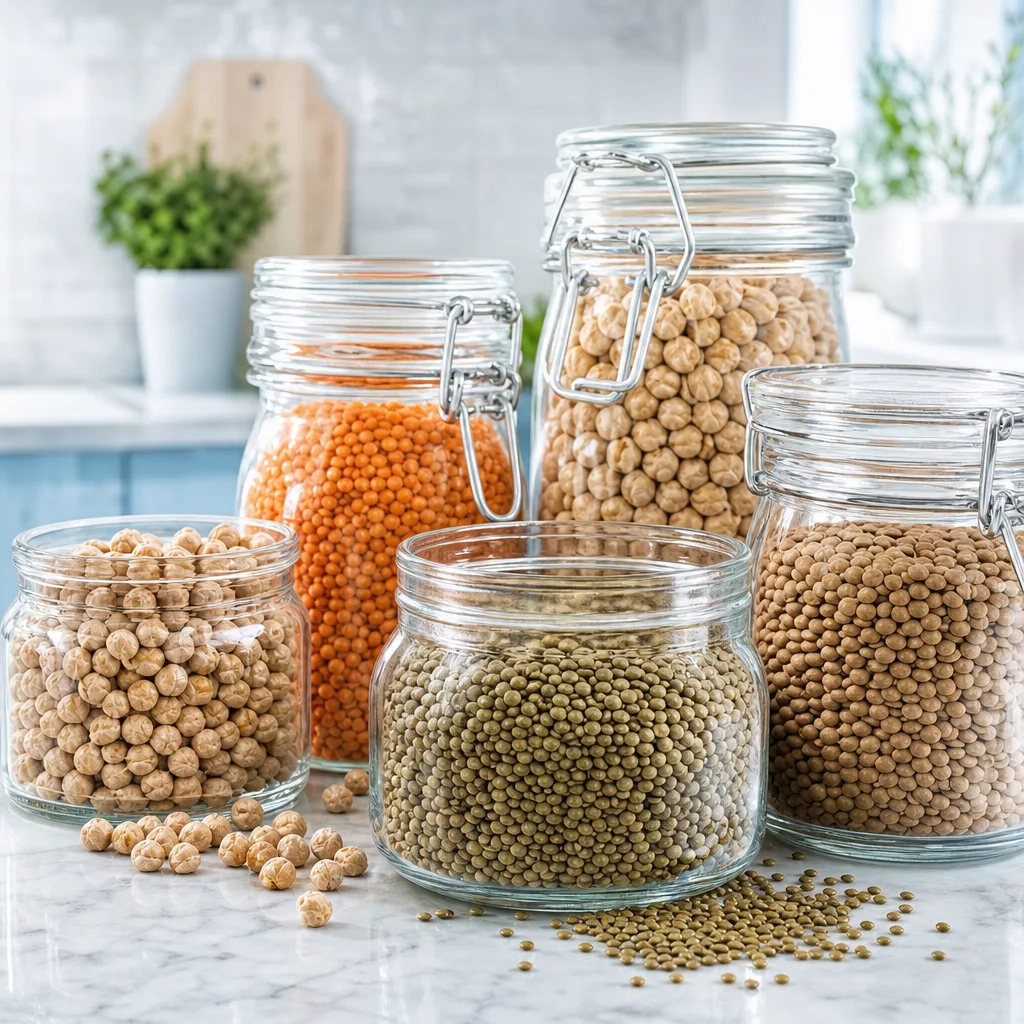
| Lentils, cooked | about 9 g | plus fibre |
| Tofu | about 12 to 16 g | depending on firmness |
| Eggs | about 13 g | versatile |
06
Practical Everyday Tips
Plan a protein source firmly into every main meal, rather than covering protein only through individual snacks. Combine plant sources such as legumes with grains or nuts to achieve as complete an amino acid profile as possible. A protein shake can be a practical supplement when you are on the go or have little time to cook, but it does not replace a balanced diet. If you like, also take a look at our page on high-protein foods to find more options for your menu.
It is also important not to choose too large a calorie deficit. A moderate deficit is usually easier to stick to and is more likely to spare your muscle mass than a very large deficit. How much protein makes sense for you personally depends on factors such as body weight, activity level and training status, and you can find more on our page about protein requirements.
 Matching productProtein PuddingAmazon →
07
Frequently Asked Questions
Does protein alone make you slim?
No. A calorie deficit is the basic prerequisite for weight loss. Protein can support this process by keeping you full and protecting muscle mass, but it does not replace an overall balanced diet.
Is too much protein harmful?
For healthy people, the ranges discussed in sports science are generally considered safe. People with kidney disease or other pre-existing conditions should, however, agree their protein intake with medical advice.
Are plant protein sources as suitable as animal ones when losing weight?
Yes. Both plant and animal protein sources can contribute to satiety and muscle retention. With plant sources it is worth combining different foods to cover all essential amino acids well.
What is the best way to spread protein over the day?
An even distribution across several meals is considered practical and is recommended by many nutrition professionals. You can read more in the article on protein timing.
Explore
Read next
 Protein types at a glance: whey, casein, plant-based and moreAn overview of all common protein types from whey to collagen, with a comparison table and links to detailed guides.
 Amino Acids: The Building Blocks of ProteinStructure, classification and functions of amino acids at a glance, with a table of all 20 proteinogenic amino acids and links to all guide…
 Supplements for Sport and Fitness: A Factual OverviewAll supplement categories at a glance, with the evidence rated from good to thin, plus safety and buying tips.