
3 min read
Protein for Muscle Building: Synthesis, Leucine and Amounts
How protein, leucine and training work together so that muscle building can succeed, with practical amounts.

If you want to build muscle, you cannot avoid the subject of protein. Protein supplies the building blocks from which your body builds and repairs muscle tissue. Without enough protein, the body lacks the material for this process, even if the training is right.
In this guide you will learn what muscle protein synthesis means, what role the amino acid leucine plays in it, how much protein per meal serves as a guide and why training is the basic prerequisite for any muscle building.
01
Muscle Protein Synthesis Explained Simply
Your body continuously builds and breaks down muscle protein. This process is known as muscle protein synthesis and muscle protein breakdown. For muscle mass to grow, the rate of synthesis must exceed the rate of breakdown over a longer period. Training, especially strength training, provides a mechanical stimulus that stimulates muscle protein synthesis. Sufficient available protein supplies the necessary amino acids as building blocks.
Both factors, training stimulus and protein intake, work together. If one of the two is missing, the effect on muscle mass remains limited, even if the other factor is optimal.
02
The Role of Leucine
Among the essential amino acids, leucine is regarded as particularly relevant for muscle protein synthesis. Leucine acts as a kind of signal, activating certain metabolic pathways in the muscle cell that are involved in protein synthesis. Foods and protein sources differ in their leucine content: animal proteins such as whey, eggs, meat and dairy products tend to contain more leucine per serving than many plant protein sources.
This does not mean that a plant-based diet is unsuitable for building muscle. With a somewhat larger total amount of protein or a combination of different plant sources, a comparable leucine content can be reached. You can find more about the individual types of protein and their properties in our overview.
 Matching productWhey Protein ConcentrateAmazon →
03
How Much Protein per Meal as a Guide
In sports science, amounts of about 20 to 40 g of high-quality protein per meal are often cited for effectively stimulating muscle protein synthesis. This range is to be understood as a rough guide and depends, among other things, on body weight, muscle mass and the protein source. Larger amounts per meal do not automatically become ineffective, but the additional effect on the rate of synthesis appears to become smaller as the amount rises.
Overall, the total amount of protein taken in over the day is at least as important for muscle building as the amount in any single meal. How you can estimate your personal daily requirement is explained on the page Calculating Protein Requirements.
04
Distribution Over the Day
Rather than taking the whole daily amount of protein in one or two large meals, a more even distribution across three to five meals is regarded in sports science as advantageous for muscle protein synthesis. Each protein-rich meal can set a new synthesis impulse, provided enough time has passed since the last meal. You can read more about distribution in the article on protein timing.
05
Training as a Prerequisite
Protein alone does not build muscle. Without a sufficient training stimulus, especially from strength training with progressive overload, additional protein remains largely ineffective for muscle building and is instead used in metabolism like other surplus energy. Regular, structured training is therefore the foundation on which sufficient protein intake builds.
06
Animal and Plant Protein Sources Compared
The following table shows typical protein contents per 100 g as a guide. Both animal and plant sources can contribute to muscle building.
| Food | Protein per 100 g (approx.) | Note |
|---|---|---|
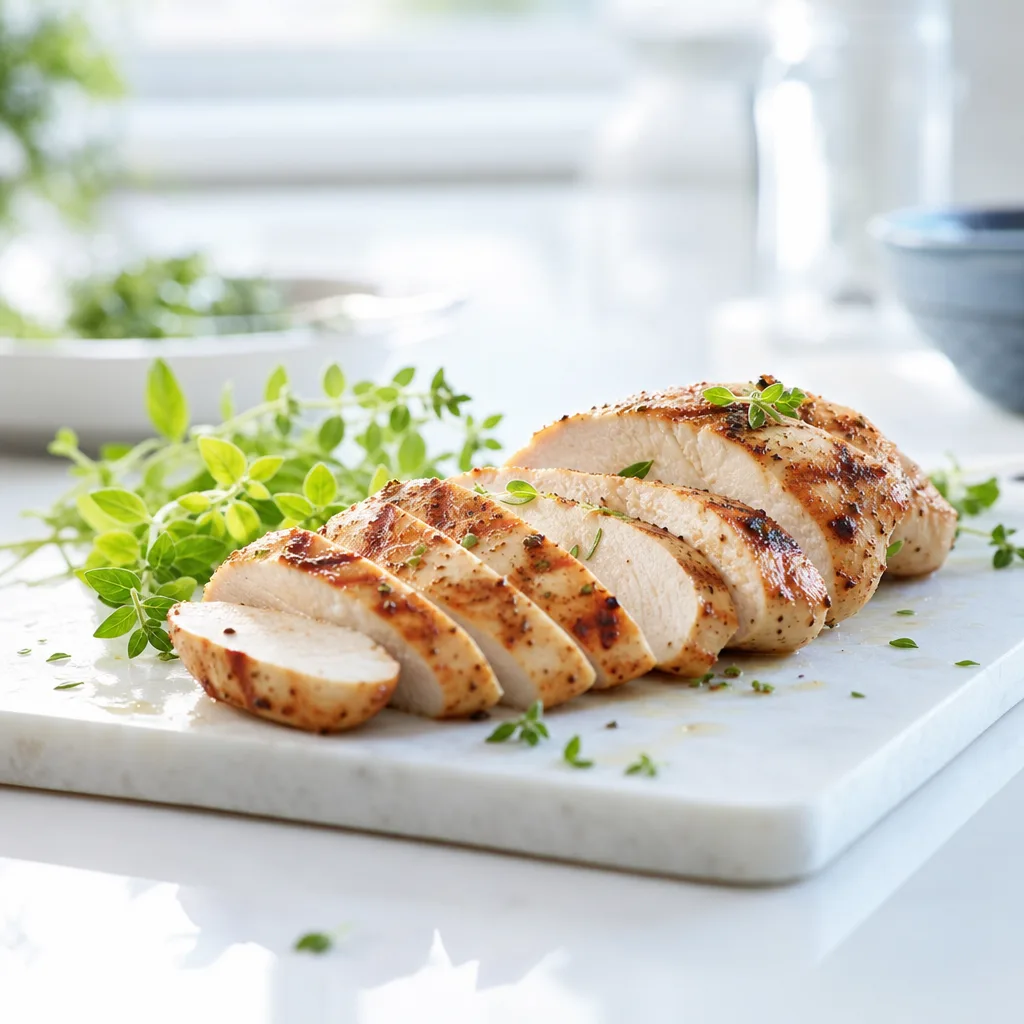
| Chicken breast | about 22 g | high leucine content |
| Eggs | about 13 g | complete amino acid profile |
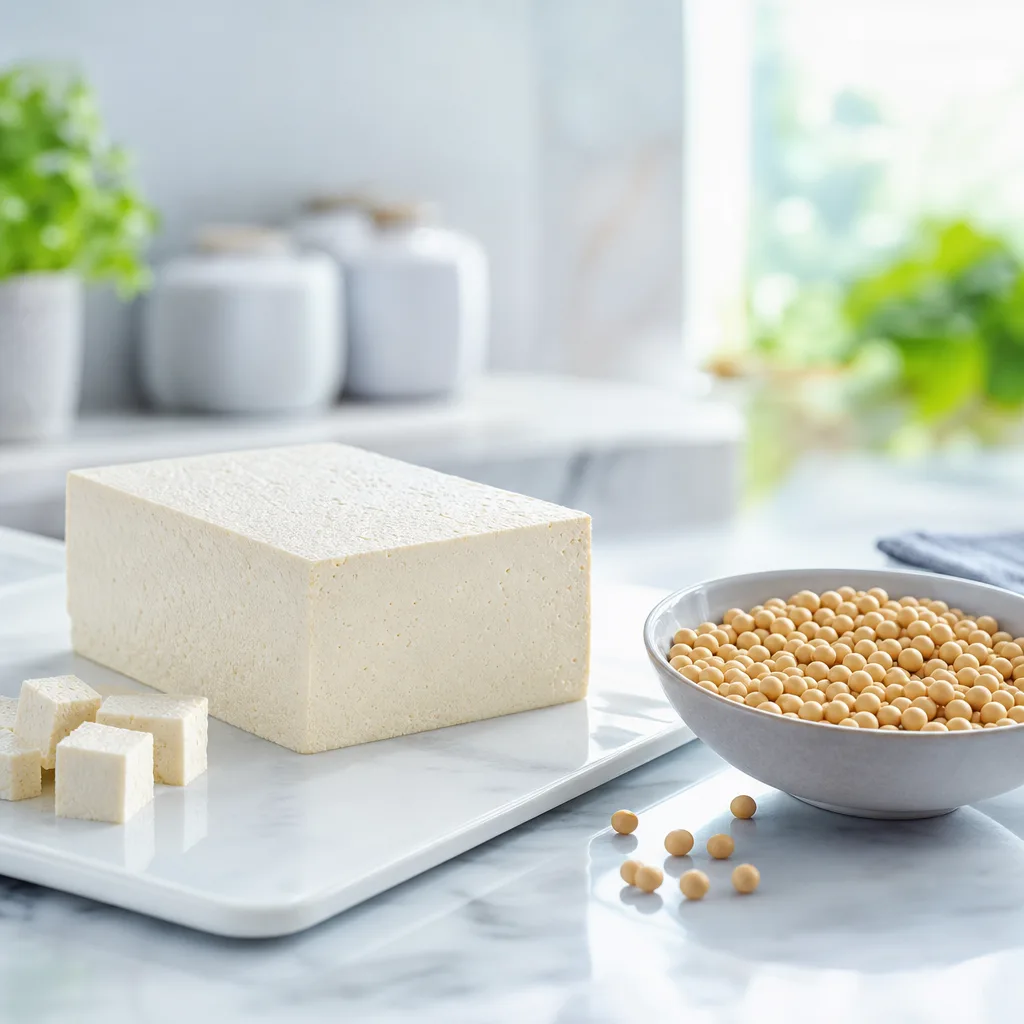
| Tofu | about 12 to 16 g | combines well with grains |
| Lentils, cooked | about 9 g | sensibly complemented by grains |
| Whey powder | about 70 to 90 g | practical on the go |
If you eat mainly plant-based, our article on vegan protein has further advice on combining different sources.
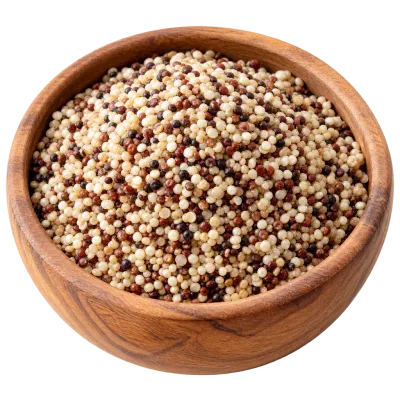 Matching productQuinoaAmazon →
07
Frequently Asked Questions
How quickly do results show when building muscle?
That varies greatly from person to person and depends on training status, diet, recovery and other factors. This site makes no blanket time frames or promises on this.
Do I absolutely need protein powder for building muscle?
No. Protein powder is a practical but not a necessary option. Protein requirements can in principle be met entirely through normal foods.
Does more protein automatically mean more muscle building?
No. Above a sufficient requirement, additional protein does not appear to speed up muscle building further. What matters most are the training stimulus, total energy intake and recovery.
Can vegetarians and vegans also build muscle effectively?
Yes. With a deliberate combination of different plant protein sources, a complete amino acid profile that supports muscle building can be achieved.
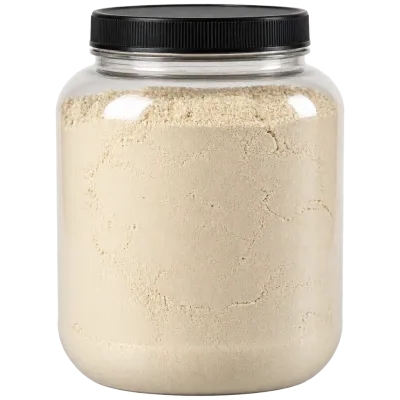 Matching productPea ProteinAmazon →
Explore
Read next
 Protein types at a glance: whey, casein, plant-based and moreAn overview of all common protein types from whey to collagen, with a comparison table and links to detailed guides.
 Amino Acids: The Building Blocks of ProteinStructure, classification and functions of amino acids at a glance, with a table of all 20 proteinogenic amino acids and links to all guide…
 Supplements for Sport and Fitness: A Factual OverviewAll supplement categories at a glance, with the evidence rated from good to thin, plus safety and buying tips.