
6 min read
Multi-Component Protein: Combination, Benefits, Intake
How multi-component protein is made up of several protein sources, what benefits that brings and who it suits.

Multi-component protein refers to protein powders made from several different protein sources instead of just one. A typical combination is whey protein and casein, often complemented by egg or plant protein.
In this guide you will learn how multi-component protein is composed, what the point of combining different types of protein is, who it suits and what to look out for when choosing one.
01
What defines multi-component protein
While a pure whey protein powder consists only of whey protein, a multi-component product deliberately blends several types of protein. Commonly used are whey concentrate or isolate, casein, egg protein and sometimes plant proteins such as soy or pea protein. Each of these sources differs in amino acid profile, digestion speed and biological value.
The idea behind the blend is to combine the respective properties of the individual proteins, for example the fast digestion of whey with the slower, delayed release of casein. Some manufacturers also advertise the higher biological value of such a combination compared with a single protein source, because the amino acid profiles of different proteins can complement each other.
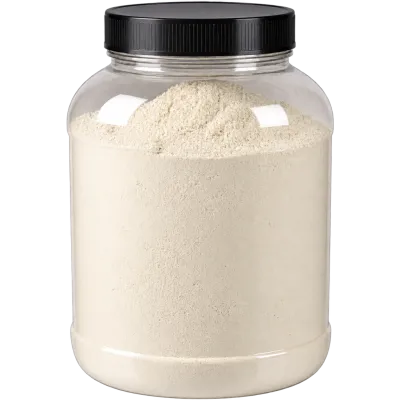 Matching productCasein ProteinAmazon →
02
Fast and slow proteins compared
| Protein source | Digestion speed | Typical role in the blend |
|---|---|---|
| Whey protein | fast | rapid rise of amino acids in the blood |
| Egg protein | medium | balanced amino acid profile |
| Soy protein | medium | plant-based component, often for vegan versions |
| Casein | slow | longer-lasting amino acid supply |
 Matching productPea ProteinAmazon →
03
What the combination is meant to achieve
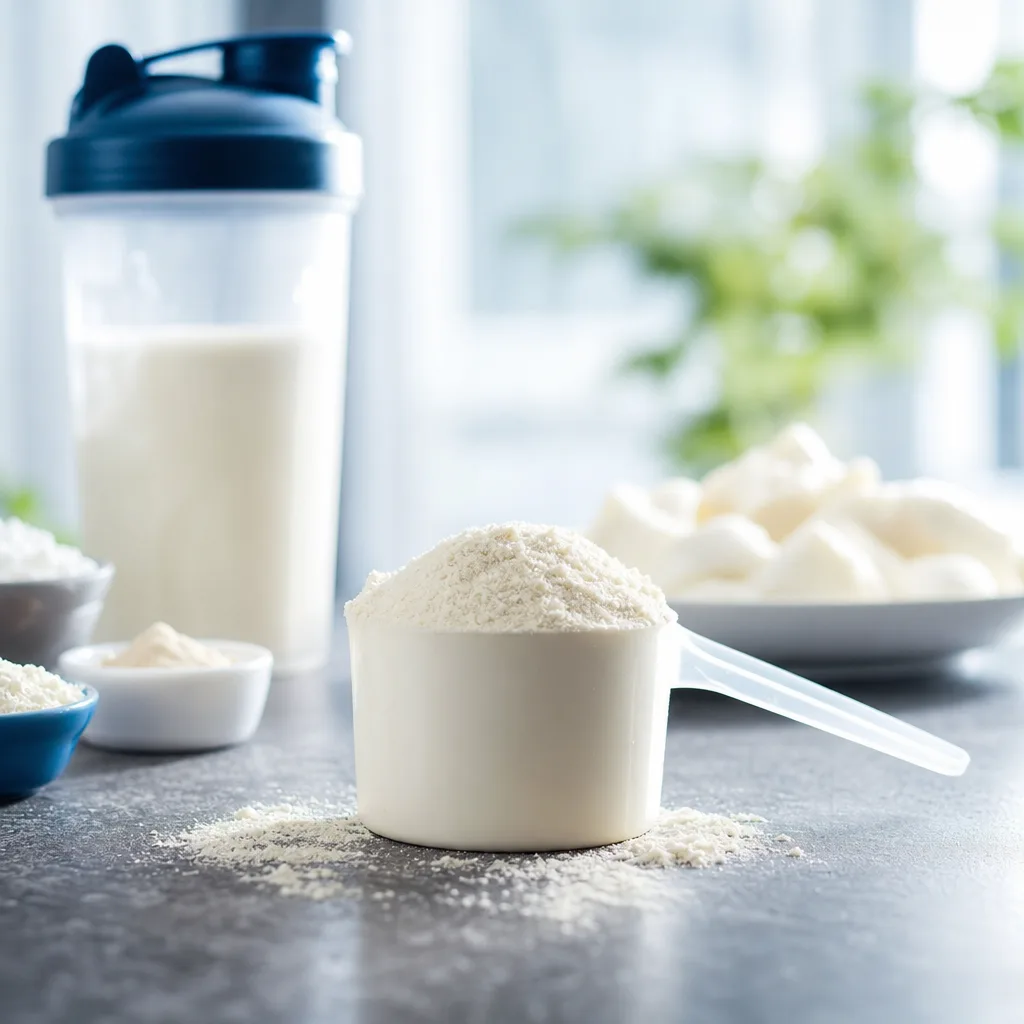
The idea behind multi-component proteins is that, through the staggered digestion of the individual components, the body is supplied with amino acids over a longer period than with a single, fast-digesting protein source. In theory this is meant to allow both an immediate rise in muscle protein synthesis after intake and a longer-lasting supply.
In practice this means that a multi-component shake is potentially also suitable for situations in which no further meal follows for several hours, for example between two meals or before a longer break from training.
It is important here to distinguish the theoretical mechanism from the actual practical effect. That casein is digested more slowly than whey is undisputed and easy to demonstrate in the laboratory, but whether this results in a noticeable benefit for muscle building in everyday life is a different question, not yet conclusively settled in research, which is covered in more detail in the section on the evidence.
04
Who multi-component protein suits

Multi-component protein is generally suitable for anyone who wants to supplement their daily protein intake with a powder, regardless of their specific training goal. It is particularly practical in the following situations.
- As a supplement between meals, when no protein-rich meal follows for several hours.
- In the evening before a longer overnight break without food, when a steadier supply is desired.
- For anyone looking for a simple, practical way to combine different protein sources without mixing several powders separately.
With lactose intolerance or milk protein allergy, you should check the ingredients list carefully, as classic multi-component blends usually contain whey and casein and thus milk protein. Alternatively, there are now also purely plant-based multi-component blends, for example made from pea, rice and soy protein.
For people with higher protein needs, for example with intense strength training several times a week, multi-component protein can also be a practical way to reach the daily protein amount without having to pay deliberate attention to different protein sources at every meal. For recreational athletes with a moderate training volume, on the other hand, a balanced diet with occasional supplementation from a simple protein powder is often enough.
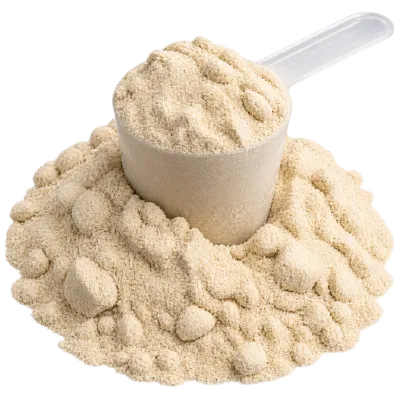 Matching productVegan Protein BlendAmazon →

05
Intake and preparation
Multi-component protein is mixed like other protein powders with water, milk or a plant-based drink alternative. A usual serving is about 25 to 30 g of powder, and the exact amount and the matching amount of liquid are stated on the packaging. Because of the casein component, some multi-component powders dissolve somewhat less easily than pure whey isolate, and a shaker with a strainer or slightly longer shaking helps here.
A protein shake, whatever its composition, does not replace a balanced diet but complements it in places where a full meal is not practical at the time. How much protein makes sense in total depends on body weight and training goal. As a rough guide, the DGE (German Nutrition Society) gives about 0.8 g protein per kilogram of body weight per day for adults, while in strength sport or during a diet, sports science often cites a range of 1.2 to 2.0 g per kilogram.
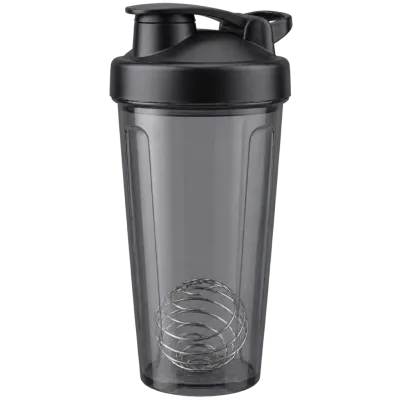 Matching productShakerAmazon →
06
What the research says
The theoretical basis of staggered amino acid release is well documented: whey protein does lead to a faster, briefly stronger rise in amino acids in the blood, and casein to a slower, longer-lasting course. Whether such a blend actually leads to more muscle building than a single, adequately dosed protein source at the same total amount across the day is, however, less clear in research.
Several studies that compared multi-component proteins directly with single protein sources such as pure whey found no clear advantages for muscle building at a comparable total protein amount across the day. What seems to matter more is sufficient, regular protein intake across the day than the exact distribution among different protein sources within a single serving.
The supposedly higher biological value of a combination of several protein sources can also only be partly confirmed. In theory, different amino acid profiles can complement each other, but in practice individual high-quality protein sources such as whey or egg already deliver a very complete amino acid spectrum, so the additional effect of a blend is often smaller than some manufacturers' advertising suggests.
 Matching productAll-in-One Muscle BuilderAmazon →
07
Buying criteria for multi-component protein
If you decide on a multi-component product, it is worth looking at a few practical points before you settle on a specific one.
- Check the ingredients list and the order of the protein sources, as it gives a hint about the composition by quantity.
- Look at the actual protein content per serving and not just the total amount of powder.
- If you want to avoid milk protein, look specifically for purely plant-based versions without whey or casein.
- If needed, compare several products using the nutrition table, see the guide protein powder comparison for more.
- With flavours and sweeteners, pay attention to your personal tolerance, as some sweeteners can cause bloating in sensitive people.
 Matching productVitamin C PowderAmazon →
08
Frequently asked questions
Is multi-component protein better than pure whey protein?
Not necessarily. For muscle building, what matters most is sufficient protein overall across the day, see also protein for muscle building. Multi-component protein can be practical but is not a strict requirement.
Can I use multi-component protein as a meal replacement?
Occasionally such a shake can complement a meal, but it is not intended as a regular, complete replacement for balanced meals with vegetables, carbohydrates and fat.
Does multi-component protein always contain milk protein?
Classic blends of whey and casein contain milk protein, but there are also purely plant-based versions. A look at the ingredients list gives clarity here.
When is the best time to take it?
Because of the slower casein component, multi-component protein is often taken in the evening or as an in-between snack, and you will find more on timing in the guide protein timing.
Does multi-component protein taste different from pure whey?
Because of the casein and sometimes egg protein content, the consistency is usually somewhat creamier and thicker than with pure whey isolate, but the products differ only slightly in taste depending on the manufacturer.
 Matching productMeal Replacement ShakeAmazon →
Explore
Read next
 Protein types at a glance: whey, casein, plant-based and moreAn overview of all common protein types from whey to collagen, with a comparison table and links to detailed guides.
 Amino Acids: The Building Blocks of ProteinStructure, classification and functions of amino acids at a glance, with a table of all 20 proteinogenic amino acids and links to all guide…
 Supplements for Sport and Fitness: A Factual OverviewAll supplement categories at a glance, with the evidence rated from good to thin, plus safety and buying tips.