
6 min read
Kettlebell Training at Home: Exercises, Technique and Training Plan
How to train strength and endurance at home with a single kettlebell, including technique and a training plan.

The kettlebell is one of the most versatile pieces of training equipment for home. With just a single weight you can train strength, endurance and mobility at the same time.
The special appeal of the kettlebell lies in its shape: the centre of mass lies below the handle, which makes dynamic, swinging movements possible that can hardly be done with a classic dumbbell. This makes the kettlebell particularly well suited to combining strength and cardiovascular training in a single session.
This guide shows which kettlebell exercises suit beginners, what to pay attention to in technique and what a training plan with the kettlebell can look like.
01
What you need
To get started, a single kettlebell of moderate weight that can be moved with clean technique is enough. Many beginners start with a lighter weight and only increase once the basic exercises are mastered securely. A non-slip surface with enough space around you is important, as some exercises such as the swing need a certain freedom of movement. Training shoes with a flat, stable sole give more support when standing than softly cushioned sports shoes. Anyone who trains more intensively also benefits from training gloves that protect the hands. Different kettlebells differ not only in weight but sometimes also in handle thickness and size, so trying one out before buying is helpful where possible.
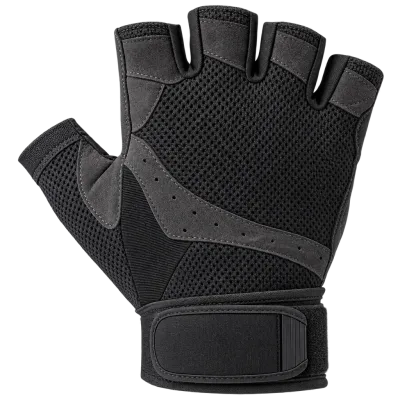 Matching productTraining GlovesAmazon →
02
The most important kettlebell exercises
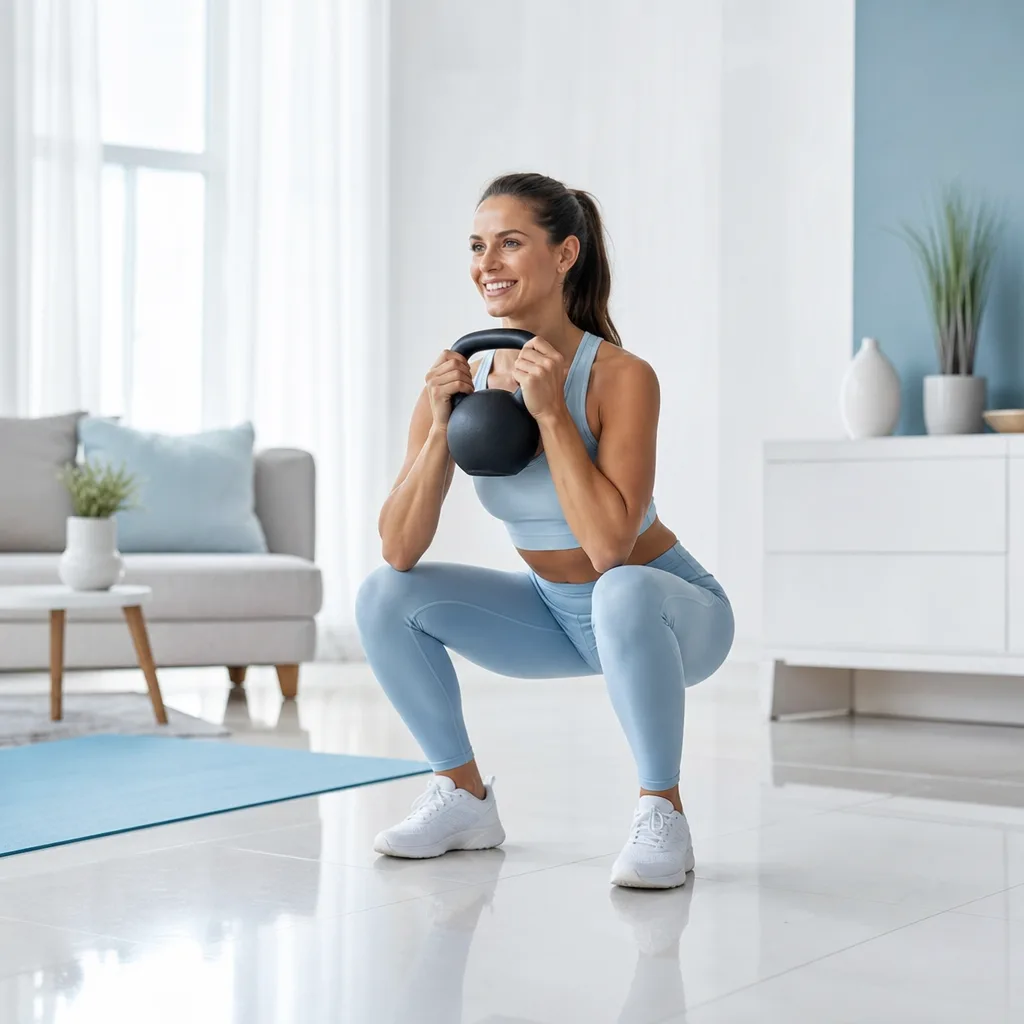
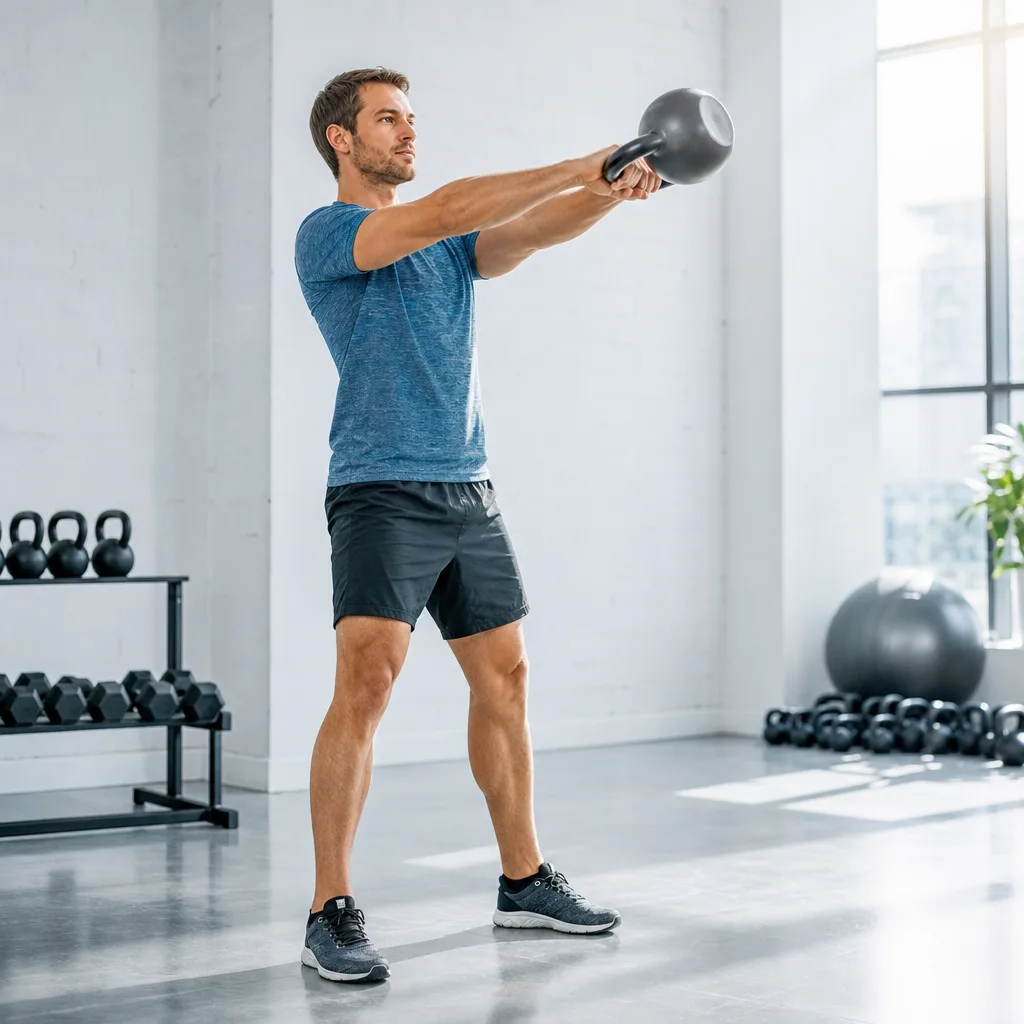
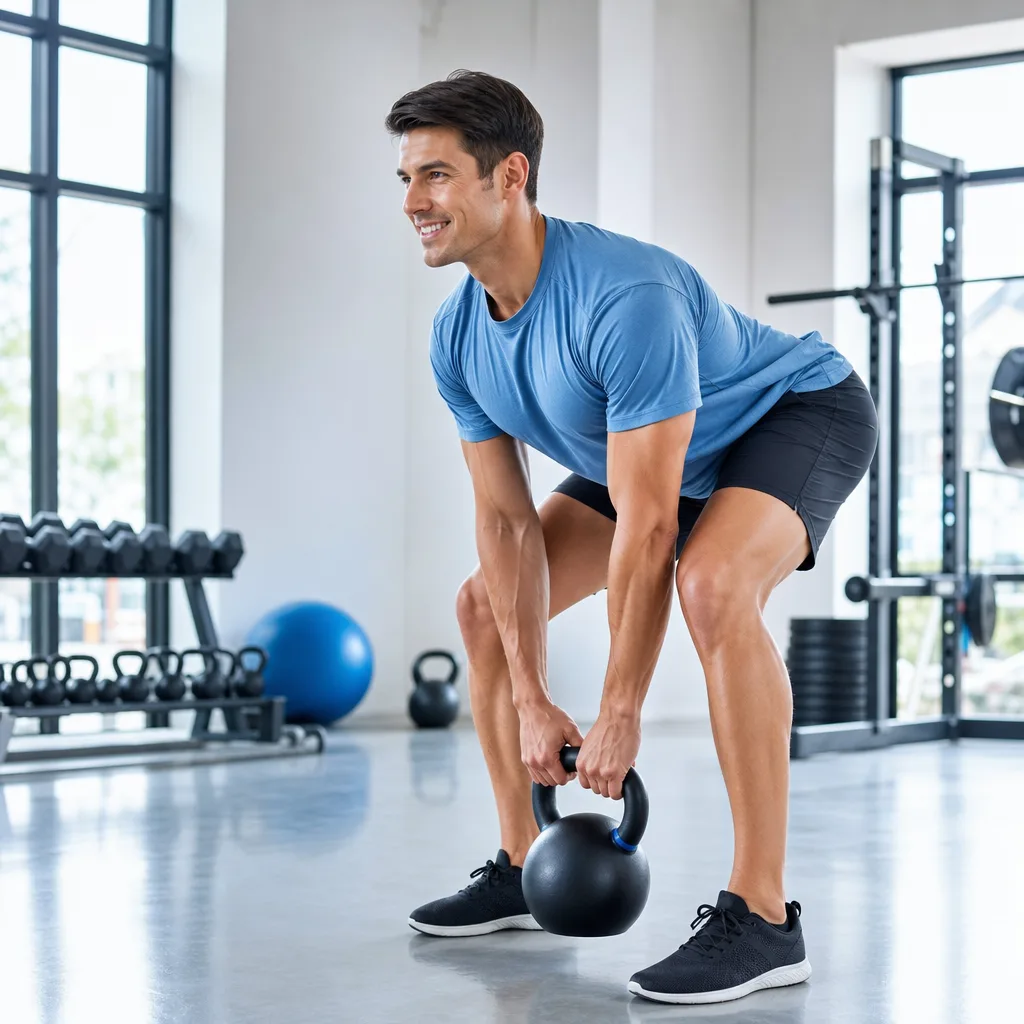
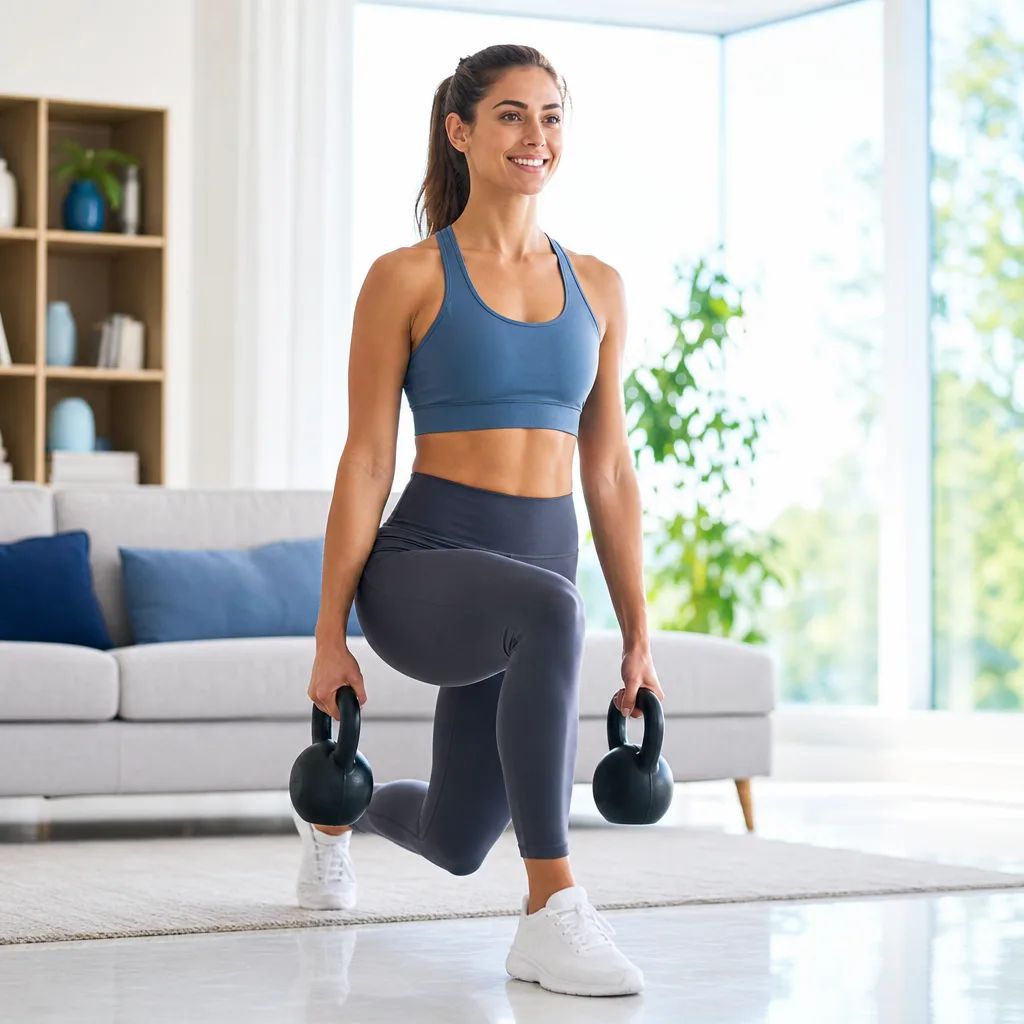
The kettlebell swing is regarded as the basic exercise par excellence: from a slight squat, the kettlebell is accelerated forwards and upwards with momentum from the hips, with the force coming mainly from the hip extension and not from the arms. The goblet squat, in which the kettlebell is held in front of the chest, combines a classic squat with a stabilising extra weight and is good for improving squat technique. The kettlebell deadlift strengthens the muscles at the back of the legs and the lower back when performed in a controlled way. The lunge with a kettlebell in one or both hands increases the intensity of the classic exercise. The kettlebell row in a bent-over position additionally trains the upper back and sensibly complements the often leg-heavy kettlebell training. The overhead press with the kettlebell from the shoulder additionally trains the shoulders and triceps and is a good addition once the basic exercises are mastered securely. The kettlebell clean, in which the kettlebell is brought from the floor into the rack position at the shoulder, combines several movement patterns and is usually only added once technique is more advanced.
 Matching productWeightlifting BeltAmazon →
03
Technique is what counts
The swing is technically more demanding than it looks: the movement should come from the hips, not from the back or shoulders, and the back stays straight throughout the whole movement. Anyone who does not yet master the swing securely should start with the deadlift and the goblet squat, as these exercises are slower and more controlled. A weight that is too heavy quickly leads to sloppy technique, so with the kettlebell in particular it is better to choose a weight that can be moved in a controlled way for all repetitions than to train as heavy as possible.
04
Avoiding common mistakes
In the swing, many people tend to pull the kettlebell up with their arms instead of accelerating it forwards through hip extension alone. The arms should stay rather loose and merely accompany the movement. Another widespread mistake is a rounded back in the deadlift or at the bottom of the swing, which shifts the load more onto the spine instead of the leg muscles. Squatting too deep in the swing, similar to a squat instead of a hip movement, is also a common mistake that makes the exercise less efficient. Learning the movement slowly and deliberately with a light weight pays off far more here than quickly increasing the weight with sloppy technique. Breathing also plays a role: you usually breathe out as you swing up and breathe in as you swing back to the starting position, which helps maintain core tension throughout the set and makes the movement more even.
05
Your kettlebell training plan
The following plan suits the whole body two to three times per week.
| Exercise | Sets | Repetitions | Rest |
|---|---|---|---|
| Kettlebell swing | 4 | 15 to 20 | about 60 seconds |
| Goblet squat | 3 | 10 to 12 | about 60 seconds |
| Kettlebell deadlift | 3 | 10 to 12 | about 60 seconds |
| Lunge with kettlebell per side | 3 | 8 to 10 | about 60 seconds |
| Kettlebell row per side | 3 | 10 to 12 | about 45 seconds |
Always start the session with the swing, while technique is still fresh, and only increase the weight when all repetitions are clean and controlled. A short warm-up of the hips and lower back is especially important before the swing. If you have back complaints or pre-existing conditions, are pregnant or are returning after a longer break from training, you should have your training checked by a doctor beforehand and generally put technique before weight. No responsible promises can be made about visible changes within a few weeks.
06
Nutrition to go with it
Because of its dynamic full-body movements, kettlebell training works a lot of muscle at the same time and therefore benefits from sufficient protein intake, as described in the guide Protein for muscle building. The guide Protein requirement offers an assessment of your personal requirement. Since the swing and similar exercises also raise the heart rate considerably, kettlebell training also fits well within a nutrition strategy for weight loss, more on this in the guide Protein for weight loss. Dietary supplements do not replace a balanced diet.
07
What the research says
There are now several studies on kettlebell training showing that it can improve both strength and cardiovascular endurance, especially with dynamic exercises such as the swing. Compared with classic strength training with a barbell, the overall body of evidence is smaller, but the available studies point to comparable effects with similar training effort. Clean technique remains important in every study: badly performed swings considerably increase the risk of lower back complaints, which is why beginners should ideally learn the exercise first with a light weight and plenty of control. There are also measurements of heart rate during dynamic kettlebell exercises, showing that in exercises such as the swing it stays clearly raised over longer sets, which makes the exercise interesting as a supplement to classic endurance sessions.
08
Frequently asked questions
What kettlebell weight suits beginners?
A moderate weight with which the goblet squat and the deadlift can be performed with clean technique is a good starting point, depending individually on your own strength.
Is a kettlebell suitable for beginners?
Yes, you can start well with the basic exercises such as the goblet squat and deadlift; the swing should only be added once basic technique is secure.
How often should I train with the kettlebell?
Two to three sessions per week with sufficient recovery are a good framework for most people.
What should I do about back pain during the swing?
If you have pain, you should reduce the weight, check hip extension as the origin of the movement and, if symptoms persist, seek medical advice.
Can I combine kettlebell training with other training?
Yes, it combines well with HIIT training or targeted leg training at home on other days.
Is one kettlebell enough for a complete workout?
For many goals a single kettlebell is enough, as it lets you train legs, back, glutes and core. For isolated training of individual small muscle groups, additional equipment such as dumbbells still makes sense.
Why does my lower back hurt after the swing?
This usually suggests that the movement comes too much from the back instead of the hips, or that the weight is too high for your current technique. Reduce the weight, check your form and seek medical advice if symptoms persist.
How often should I increase the kettlebell weight?
Only when all repetitions of an exercise are technically clean over several sessions is it a good time for the next weight level. Jumping up in weight too quickly usually comes at the expense of technique.
Can I use two kettlebells at the same time?
Yes, with two kettlebells, two-sided exercises such as the squat or lunge can be loaded more evenly, but to start with a single kettlebell is entirely sufficient before a second one is added.
Does the kettlebell replace classic strength training?
For most training goals a kettlebell covers many important movement patterns; for isolated training of individual muscles or very heavy weights it eventually reaches its limits, and then supplementary dumbbells or a second, heavier kettlebell are a sensible extension.
 Matching productSoy Protein IsolateAmazon →
Explore
Read next
 Protein types at a glance: whey, casein, plant-based and moreAn overview of all common protein types from whey to collagen, with a comparison table and links to detailed guides.
 Amino Acids: The Building Blocks of ProteinStructure, classification and functions of amino acids at a glance, with a table of all 20 proteinogenic amino acids and links to all guide…
 Supplements for Sport and Fitness: A Factual OverviewAll supplement categories at a glance, with the evidence rated from good to thin, plus safety and buying tips.