
6 min read
Antioxidants: Effects, Foods and Role in Sport
How antioxidants work in the body, which foods supply the most and why isolated high-dose supplements do not automatically fare better.

Antioxidants are a group of different substances that can trap and neutralise reactive oxygen compounds, so-called free radicals, in the body. They include certain vitamins, minerals and secondary plant compounds found in very different foods.
This guide explains what antioxidants do in the body, which substances belong to the group, which foods contain them, what role they play in sport and what research actually shows on dietary supplements containing antioxidants.
01
What are antioxidants
Reactive oxygen compounds are formed in metabolism during entirely normal processes, and more so during intense physical exertion. In a healthy balance, these compounds are trapped by the body itself and pose no problem; when the balance is disturbed, the state is called oxidative stress.
These reactive compounds are not a modern phenomenon but a normal part of energy metabolism that has always been part of the human body. The body's own protective system of enzymes and nutrients developed in parallel over the course of evolution and, with a healthy lifestyle, generally works reliably.
Antioxidants counteract this process by chemically neutralising reactive compounds before they can damage cell structures. The body has both its own antioxidant systems and substances that must be taken in through food.
The term antioxidant does not describe a uniform chemical class but a shared function that very different substances can fulfil. Vitamins, minerals and plant compounds from entirely different chemical groups therefore all fall under this collective term as soon as they help neutralise reactive compounds.
In the long term, a lasting imbalance between oxidative stress and the available protective mechanisms is linked to various ageing and lifestyle-related processes. For putting this in perspective, it is important that these are general relationships acting over long periods, not an acute problem that can be solved by briefly taking a single supplement.
02
Important antioxidants at a glance
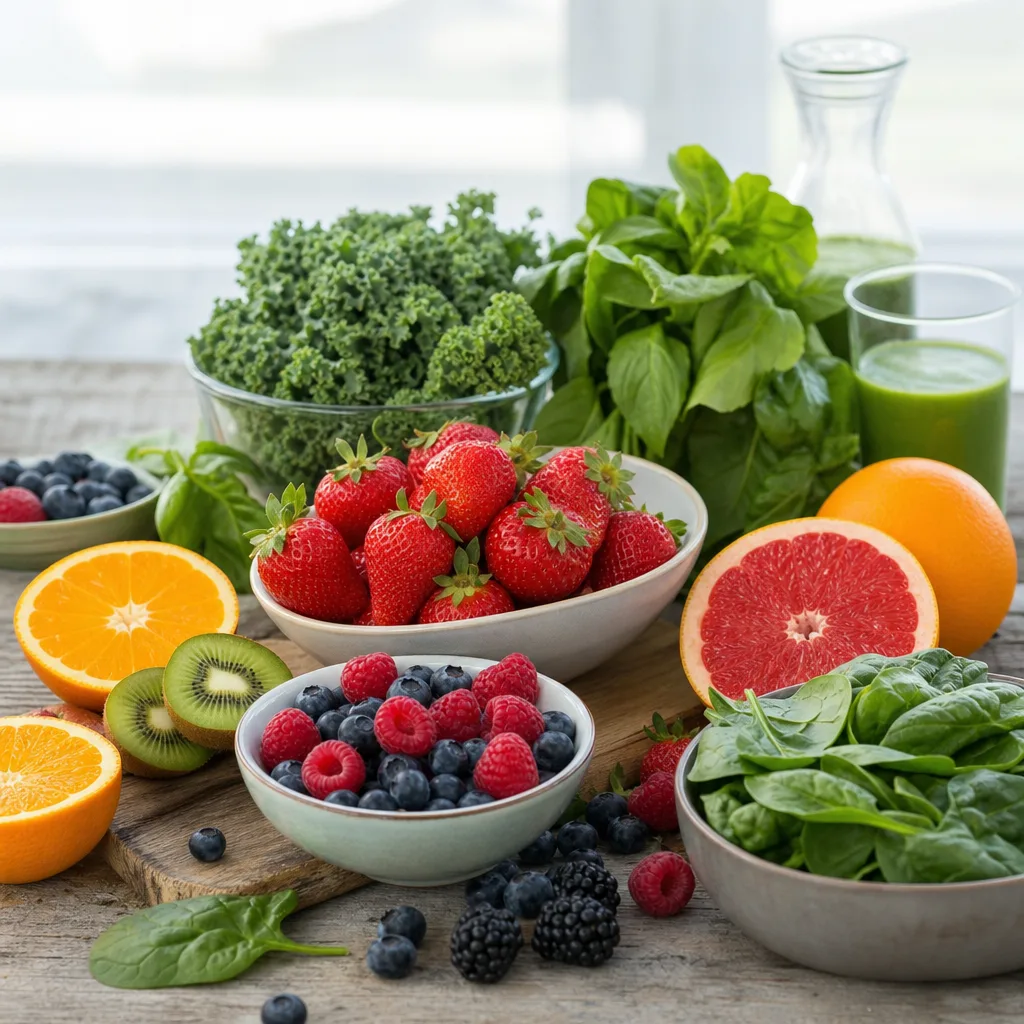
The best-known antioxidants include several vitamins and minerals as well as a large number of secondary plant compounds. The following table assigns some important members to rough food groups.
| Antioxidant | Typical food source |
|---|---|
| Vitamin C | Citrus fruit, peppers, berries |
| Vitamin E | Plant oils, nuts, seeds |
| Beta-carotene | Carrots, sweet potatoes, leafy greens |
| Selenium | Fish, Brazil nuts, wholegrain products |
| Zinc | Meat, pulses, wholegrains |
| Polyphenols | Berries, tea, cocoa, red cabbage |
Beta-carotene is covered in more detail in its own guide Beta-carotene, since this substance also plays a special double role as provitamin A. For vitamin C, you can find further information in the guide Vitamin C, since besides its antioxidant function this vitamin takes on other tasks in the body.
Polyphenols form a particularly large and diverse group among the antioxidants, including flavonoids from berries, catechins from green tea and various pigments in red cabbage or dark grapes. Their exact effect in the body is still being intensively studied, and results differ, sometimes markedly, depending on the compound examined and the study design.
 Matching productPeanut PasteAmazon →
03
Antioxidants in foods versus supplements
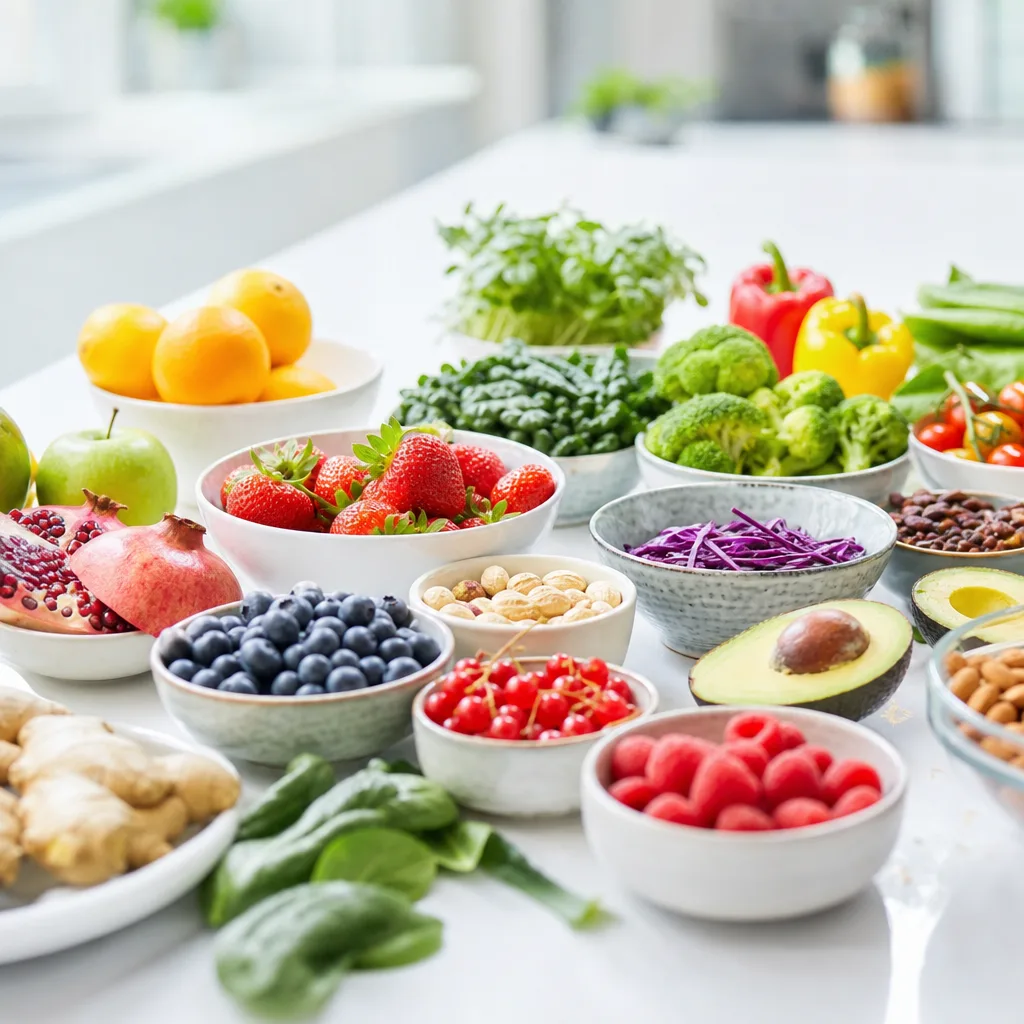
In whole foods, antioxidants never occur in isolation but always together with other nutrients, fibre and other plant compounds. A colourful plate of fruit and vegetables therefore typically supplies a broad mix of different antioxidant substances rather than a single, highly concentrated compound.
Supplements, by contrast, usually offer individual, isolated antioxidants in concentrated form. This concentration sounds like an advantage at first, but in studies isolated, high-dose supplements do not consistently fare better than a diet rich in antioxidants, and in some studies with certain risk groups, high-dose single supplements were even assessed critically.
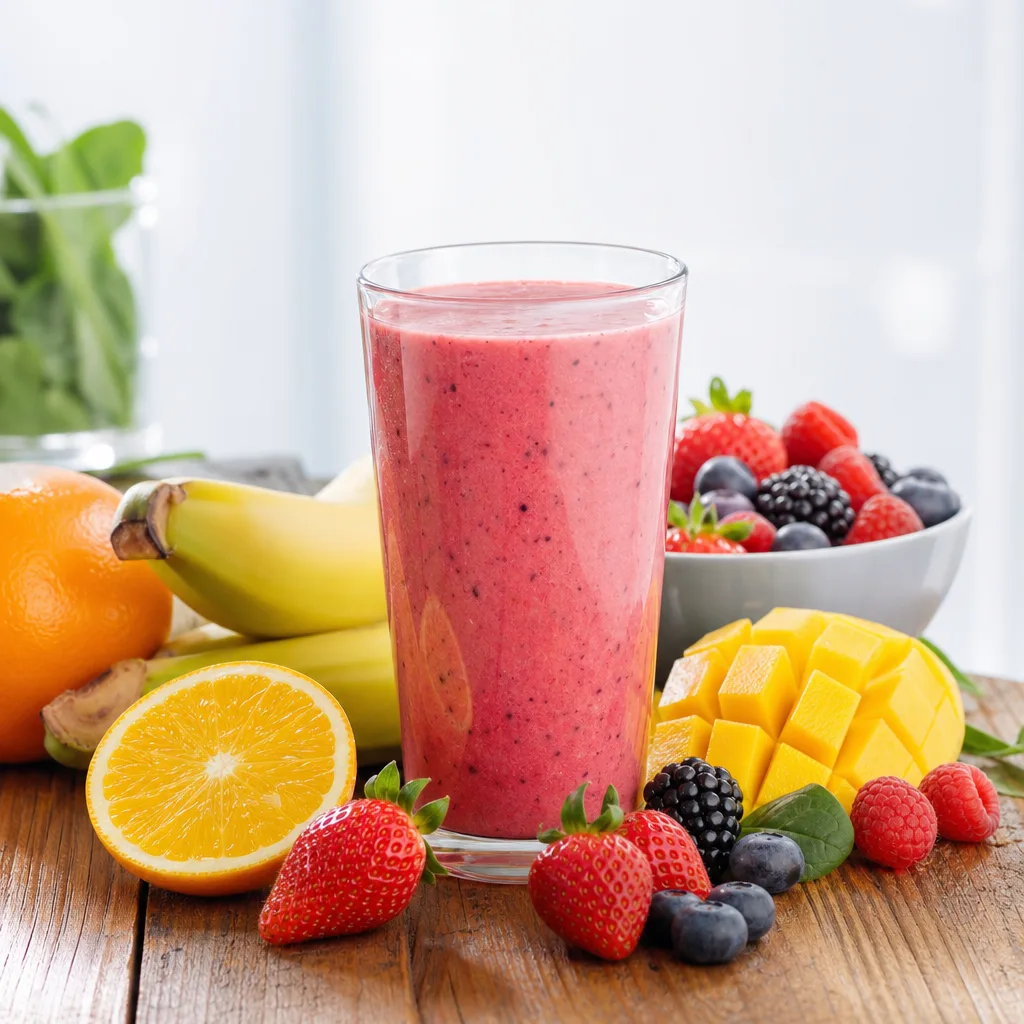
One possible reason for this difference is that nutrients from whole foods are always taken in together with fibre, secondary plant compounds and other vitamins, which can influence each other's effect. An isolated supplement cannot fully replicate this complex matrix of a real food.
 Matching productSoy Protein IsolateAmazon →
04
Antioxidants and sport
During intense training, the amount of reactive oxygen compounds in the body rises briefly, which sports science often cites as an argument for an increased antioxidant requirement in athletes. At the same time, some studies suggest that exactly this moderate, training-related load of oxidative stress can also trigger a useful adaptive response in the body, leading to an improved antioxidant capacity of its own.
For this reason, many experts advise against routinely taking very high-dose antioxidant supplements around intense training sessions, as this might blunt desired training adaptations. A balanced diet rich in fruit and vegetables is considered the more robust and better-studied foundation here than isolated high-dose supplements.
For everyday life this means: instead of reaching for an antioxidant capsule before or after every workout, it is usually more sensible to eat fruit and vegetables of different colours regularly throughout the day. If you train a lot and intensively, you can increase this share somewhat without having to resort to isolated high-dose supplements.
 Matching productPowder Storage ContainerAmazon →
05
Dosage as a guide
For antioxidants as a whole there is no uniform general dosage recommendation, since they are a very varied group of substances, each with its own reference values. For individual vitamins such as vitamin C or vitamin E, official intake recommendations exist, which a balanced diet can be guided by. Supplements also state a daily amount on the packaging, which you should follow.
A simple rule of thumb from nutrition counselling is to eat several portions of fruit and vegetables every day and to consciously vary the colours, since foods of different colours tend to supply different antioxidants. This variety is hard to replicate with supplements in the same breadth.
06
What the research says
The basic function of many antioxidants in protecting cells is considered well established, as is the benefit of a diet rich in fruit and vegetables for general health. The evidence is less clear for isolated, high-dose antioxidant supplements: several large reviews found no clear additional benefit here compared with a balanced diet, and in some studies with certain risk groups, high-dose single supplements even fared worse than expected. For healthy people who eat a balanced diet, no general recommendation for additional, high-dose antioxidant supplements can be derived from this overall. Dietary supplements are no substitute for a balanced diet.
07
Frequently asked questions
Do athletes need more antioxidants than non-athletes?
An increased requirement is discussed, but with a balanced diet it can usually be covered by extra portions of fruit and vegetables. High-dose supplements are generally not necessary for this.
Can too many antioxidants do harm?
With certain isolated, high-dose supplements, unfavourable effects were observed in studies in some risk groups, for example with beta-carotene and smokers. Through normal foods, by contrast, an overdose is practically ruled out.
Which foods supply particularly many antioxidants?
Berries, citrus fruit, dark green leafy vegetables, nuts and plant oils are among the richest sources of different antioxidants.
Should I take antioxidants straight after training?
There is no fixed recommendation on this. Some experts even advise against taking very high-dose supplements immediately around intense training, as this might blunt training adaptations.
Are synthetic antioxidants as effective as natural ones?
Chemically it is often the same basic structure, but in studies nutrients from whole foods, working together with other plant compounds, often fare better than isolated, synthetic single supplements.
What is the difference between antioxidants and vitamins?
Some vitamins, such as vitamin C and vitamin E, also act as antioxidants but are not responsible for that alone. Conversely, antioxidants also include minerals and plant compounds that are not vitamins. More on this in the guide Vitamins.
Does a diet rich in antioxidants help against every kind of stress?
No, oxidative stress in the sense of this guide is a biochemical process and is not the same as psychological strain. A balanced diet supports general health but does not replace measures against other forms of stress.
Is ordinary fruit and vegetables from the supermarket enough?
Yes, fresh, frozen or briefly cooked fruit and vegetables from the regular range generally supply enough antioxidants for a healthy diet; special or particularly expensive varieties are not necessary.
Explore
Read next
 Protein types at a glance: whey, casein, plant-based and moreAn overview of all common protein types from whey to collagen, with a comparison table and links to detailed guides.
 Amino Acids: The Building Blocks of ProteinStructure, classification and functions of amino acids at a glance, with a table of all 20 proteinogenic amino acids and links to all guide…
 Supplements for Sport and Fitness: A Factual OverviewAll supplement categories at a glance, with the evidence rated from good to thin, plus safety and buying tips.