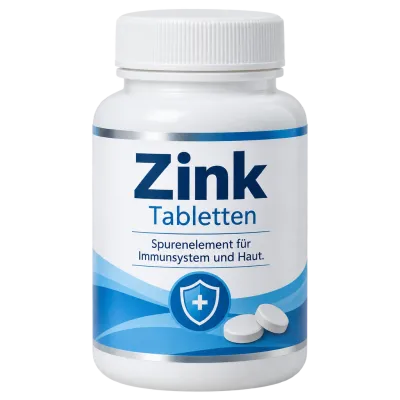
Zinc is a trace element involved in several hundred enzymatic processes in the body, including the immune system, wound healing and protein metabolism. The body cannot store zinc, so a regular intake from food is necessary. Good sources include meat, seafood, dairy products, wholegrain products and pulses.
With a varied diet, the zinc requirement can usually be met, although plant foods are often utilised somewhat less well than animal sources because of the phytates they contain. A clear deficiency shows itself, among other things, in changes to skin or hair, but it can only be established reliably by a doctor.
Relevance for nutrition and sport
For physically active people, zinc is relevant because of its role in protein metabolism and in the immune system, among other things, as intensive training places additional demands on the body. A balanced, protein-rich diet already covers the zinc requirement well for most people.
Anyone considering targeted zinc supplementation should have this checked by a doctor beforehand, as a permanently excessive intake can impair the absorption of other trace elements such as copper. The guide minerals gives an overview of further relevant minerals. Symptoms of a possible deficiency are non-specific, which is why a blood test provides the most reliable basis for an assessment.