
7 min read
Workout Plan for Weight Loss: Combining Strength and Movement
How a workout plan for weight loss combines strength and endurance training, and why maintaining muscle matters in a calorie deficit.

When losing weight, calorie balance mainly decides success, but training still plays an important role: strength training helps preserve muscle as far as possible during a calorie deficit, while additional movement raises daily calorie expenditure. A well-thought-out workout plan for weight loss therefore combines strength and endurance elements sensibly.
In this guide you will learn how a workout plan for weight loss can be structured, what equipment makes sense for it, how nutrition and training work together and what research says on the subject.
01
Why Strength Training Matters When Losing Weight
A common misunderstanding is that training works for weight loss mainly through the immediate calorie expenditure of the session. In fact the long-term effect is often more important: anyone who does strength and endurance training regularly builds better general fitness over months and often more muscle too, which can slightly raise total daily energy expenditure, even outside the actual training times.
A calorie deficit alone leads to weight loss, but says nothing about whether mainly fat mass or also muscle mass is lost in the process. Strength training sets a stimulus during a deficit that signals to the body to preserve muscle rather than break it down. This is especially relevant because muscle mass contributes to basal metabolic rate, and the highest possible proportion of muscle helps in the long run to keep the weight achieved. In addition, endurance training or everyday movement raises calorie expenditure and can support the intended deficit without having to reduce food intake excessively.
Another, often overlooked effect concerns the feeling of fullness: regular training, especially strength training, is associated by many people with a better body awareness and more energy in everyday life, which can indirectly help to keep up a moderate calorie deficit over a longer period, rather than giving it up again after a few weeks.
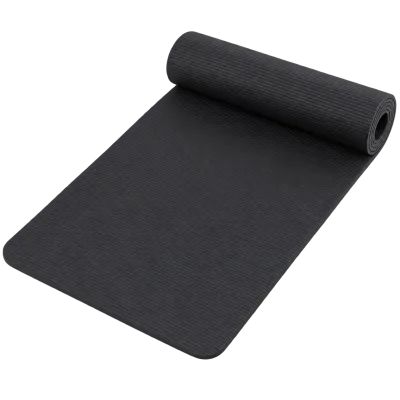 Matching productExercise MatAmazon →

02
The Training Plan at a Glance
The following sample plan combines three strength sessions per week with additional movement on other days.
| Exercise | Sets | Repetitions | Rest |
|---|---|---|---|
| Squat or lunges | 3 | 10 to 15 | about 60 seconds |
| Machine or band row | 3 | 10 to 15 | about 60 seconds |
| Push-up or bench press | 3 | 10 to 15 | about 60 seconds |
| Kettlebell swings or hip thrust | 3 | 12 to 15 | about 45 seconds |
| Plank | 2 | 20 to 40 seconds | about 45 seconds |
| Brisk walking or HIIT as a supplement | 1 | 15 to 20 minutes | as needed |
Shorter rests between sets raise training density in this plan and with it the calorie expenditure per session. If you also want to add intense interval sessions, you will find ideas in the guide HIIT at Home, and for short sessions that take little time the guide 20-Minute Workout is suitable.
On non-training days, additional easy movement such as a walk or a bike ride can further raise daily calorie expenditure without noticeably impairing recovery from the strength sessions. This everyday movement outside actual training is often underestimated when it comes to weight loss, even though it adds up over the week and can make a noticeable difference in the long run. If you have little time for separate endurance sessions, you can also build everyday movement into your day deliberately, for example by taking the stairs instead of the lift or by going for short walks during breaks, which in total can have a similar effect to a planned endurance session. Such small adjustments in everyday life are usually easier to keep up permanently than additional, fixed training sessions, which makes them a sensible supplement for anyone whose time budget is already tight. Over a whole week, a noticeable additional calorie expenditure adds up without any separate, time-consuming training session, which makes this form of movement an underestimated but effective and easily implemented addition to the actual training plan.
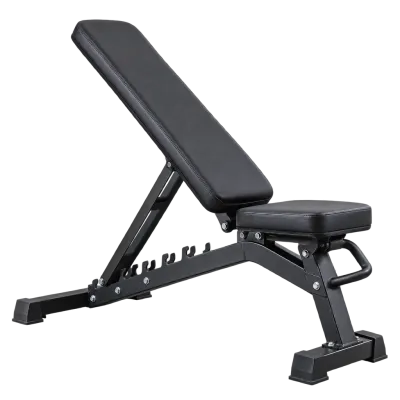 Matching productWeight BenchAmazon →
03
What You Need
For this plan, dumbbells or a kettlebell, a resistance band for rows and a non-slip mat for floor exercises such as the plank are usually enough. Comfortable, stable training shoes are important, especially if you add extra endurance sessions such as brisk walking. A water bottle helps you take in enough fluid during more intense sessions. If you prefer to train at home, you will find further notes in the guide Home Workout with Dumbbells. Firm, well-cushioned running shoes are also worthwhile as soon as regular brisk walking or jogging becomes part of the plan, to protect joints and foot structures under more frequent load.
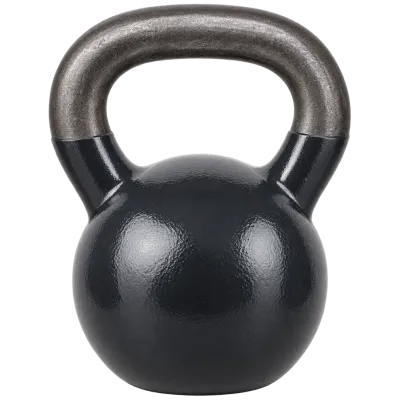 Matching productKettlebellAmazon →

04
Nutrition to Go with It
A calorie deficit arises primarily through nutrition, not through training alone. The guide Protein for Weight Loss explains how much protein makes sense when losing weight in order to preserve muscle, and you can work out your approximate basic requirement with the guide Calculating Your Protein Requirement. Dietary supplements can sensibly complement a balanced, reduced-calorie diet, but they do not replace it. A sufficiently high protein intake becomes especially relevant in a calorie deficit, since in addition to the training stimulus it helps support the preservation of muscle while less total energy is available.
05
Realistic Pace and Expectations
A calorie deficit that is too fast and too large increases the risk of losing muscle as well as fat, and is often harder to keep up in the long run. A moderate deficit combined with regular strength training is considered in practice to be a more sustainable way. Fixed timeframes for when a particular result will become visible cannot be given responsibly, since the course depends on many individual factors. Instead of relying solely on the scales, it can be helpful to also observe progress in training, such as rising repetition counts or more weight moved, since this development, independent of short-term fluctuations in body weight, is a sensible complement to the weight figure alone.

06
Common Mistakes When Losing Weight with Training
A common mistake is to regard training as the only lever for weight loss and lose sight of nutrition in the process, even though the calorie deficit has the largest influence on weight loss. Just as widespread is the idea that calories burned in training can afterwards be made up for at will with extra food, which quietly cancels the intended deficit again. A realistic look at the actual calorie expenditure of individual sessions helps avoid this trap.
Another mistake is to drop strength training completely during a weight loss phase, on the assumption that only endurance training is relevant for fat loss. As described in the section on research, strength training contributes substantially to preserving muscle during the deficit, which is why it should remain a fixed part of a well-thought-out plan for weight loss.

07
What the Research Says
Studies consistently show that a calorie deficit is the basic prerequisite for weight loss, regardless of the form of training. Strength training during a deficit is well documented in research as an effective method for limiting the loss of muscle mass, compared with endurance training alone or no training at all. On the question of whether certain forms of training such as high-intensity interval training accelerate fat loss further, the evidence is mixed; a relevant additional effect beyond the pure calorie balance cannot be clearly demonstrated. More important than the exact form of training remains consistent implementation over a longer period. On the question of how to lose weight in individual body regions in a targeted way, research is also clear: so-called spot reduction of fat by training individual muscle groups, for example lots of ab exercises for a flatter stomach, cannot be demonstrated scientifically; the body itself decides where fat is lost first.
08
Frequently Asked Questions
Is strength training alone enough to lose weight?
Without a calorie deficit through nutrition, training alone is usually not enough. Strength training does, however, support the preservation of muscle during a deficit and thereby contributes indirectly to a more sustainable result.
How often should I train when losing weight?
Two to three strength sessions per week, supplemented by additional movement such as walking, are considered a practical and sustainable basis for most people.
Do I automatically lose muscle when losing weight?
Some loss is possible, but in many cases it can be limited significantly by strength training and an adequate protein intake.
Is HIIT better than easy endurance training?
Both forms can raise calorie expenditure; a clear scientific advantage of HIIT for pure fat loss cannot currently be clearly demonstrated. Ultimately what matters is which form you can keep up consistently over a longer period.
Can I lose weight in a targeted way on my stomach or legs?
No, targeted fat loss in individual body areas by training that region cannot be demonstrated scientifically. The body breaks down fat across the whole body; where first varies from person to person and cannot be influenced by training individual regions in a targeted way.
What if I have health limitations?
If you have pre-existing conditions, are pregnant or have had a long break from training, you should seek medical advice before starting and have your training and nutrition plan adapted.
Explore
Read next
 Protein types at a glance: whey, casein, plant-based and moreAn overview of all common protein types from whey to collagen, with a comparison table and links to detailed guides.
 Amino Acids: The Building Blocks of ProteinStructure, classification and functions of amino acids at a glance, with a table of all 20 proteinogenic amino acids and links to all guide…
 Supplements for Sport and Fitness: A Factual OverviewAll supplement categories at a glance, with the evidence rated from good to thin, plus safety and buying tips.