
6 min read
Preparation: mixing, baking with and adding protein powder to meals
Practical tips for preparing protein powder: as a shake, in baking, in porridge or quark, with notes on lumps and meal prep.

Protein powder can be worked into everyday life in many ways, not just as a classic shake in a shaker. Whether in porridge, in quark, when baking or as a meal prepared for several days: with a few basics, preparation works reliably and without lumps.
This article shows practical ways to prepare protein powder, explains the differences between various base liquids and gives tips for meal prep. Which product suits you is covered in our buying guide.
01
Mixing a shake: the basics
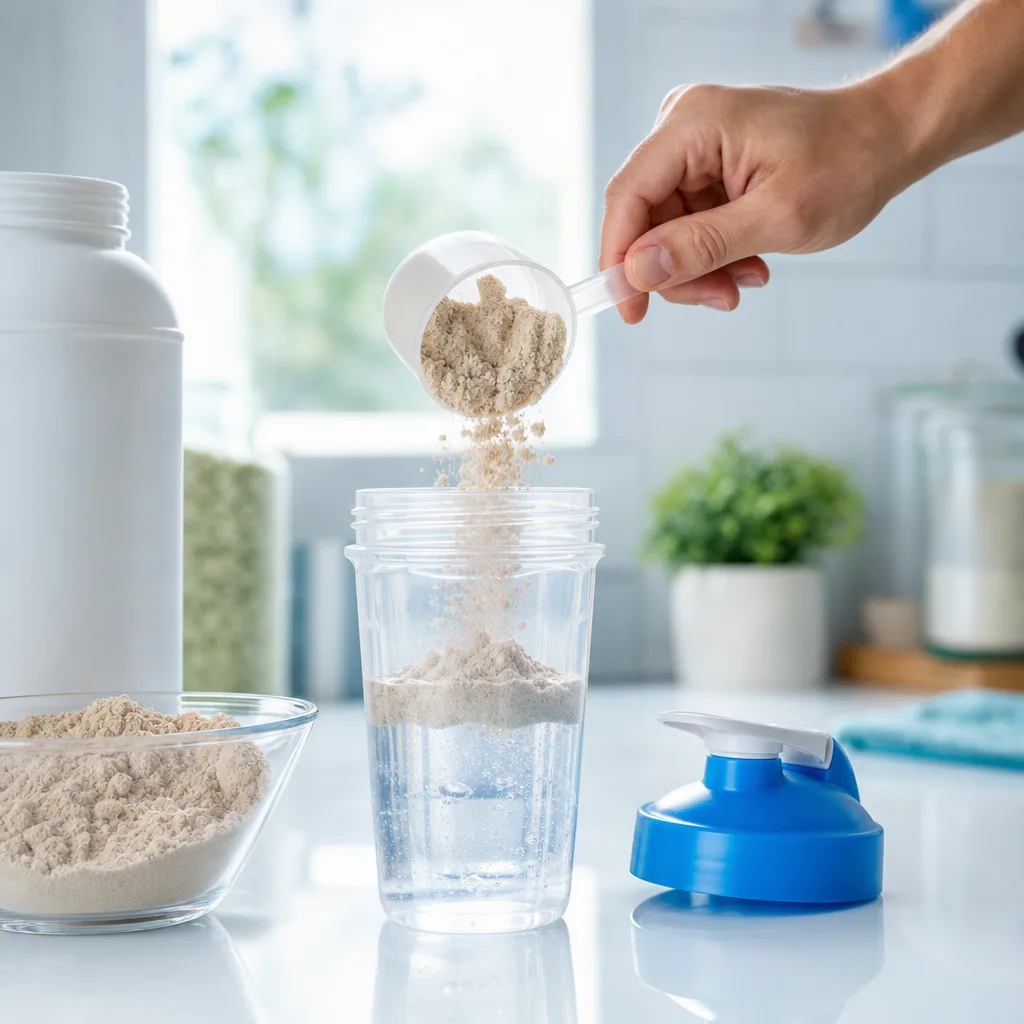
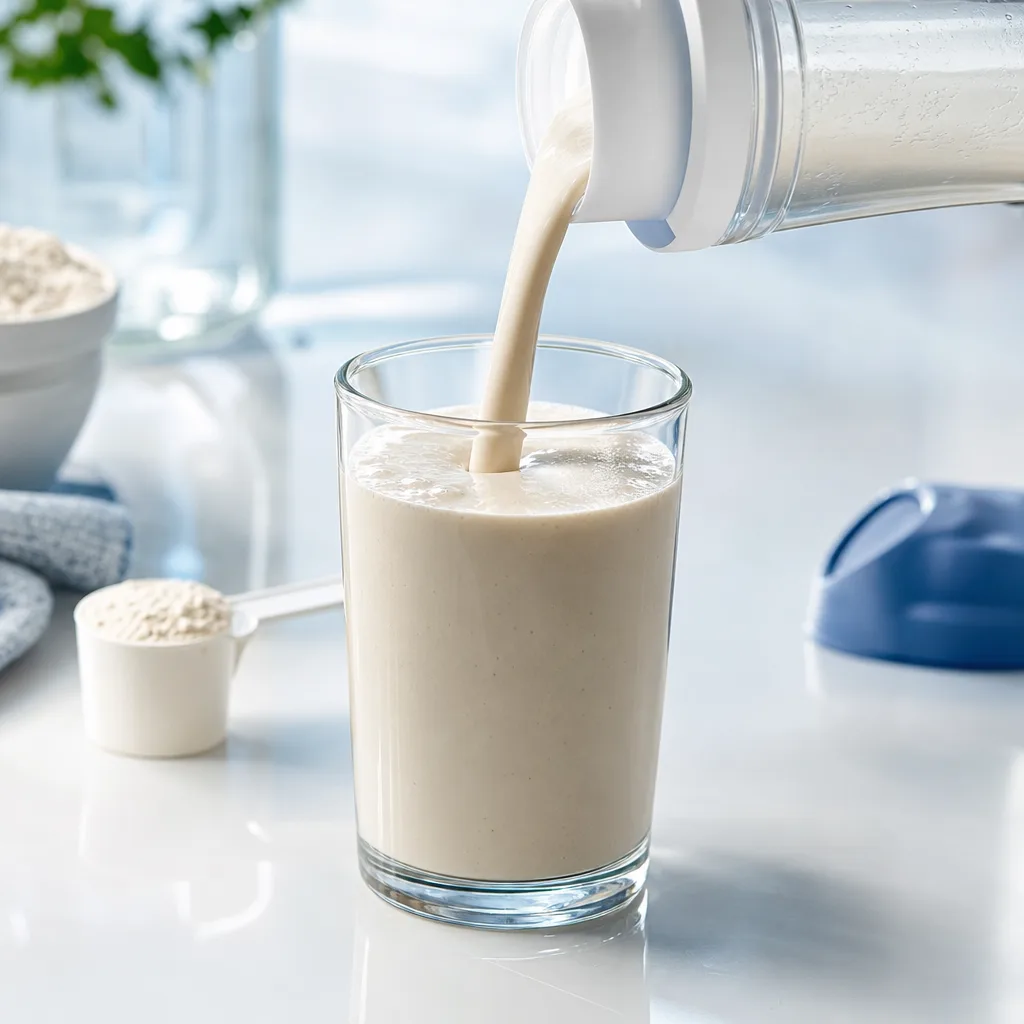
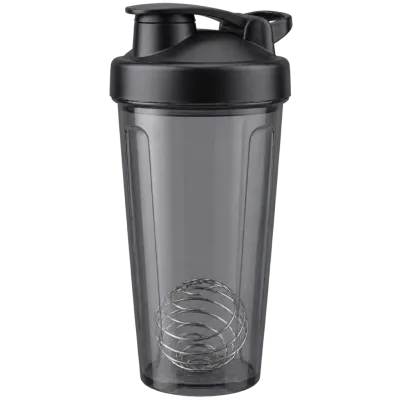
The classic protein shake is made by combining protein powder with a liquid in a shaker or blender. A shaker with a built-in sieve or a small ball helps break up lumps, while a hand blender or countertop blender usually gives the smoothest consistency.
As a rough guide, protein powder is often mixed with about 250 to 350 millilitres of liquid per serving, but the exact amount depends on the product and the consistency you want, so it is worth checking the pack instructions. The measuring aid supplied, usually a scoop, helps keep the amount of powder consistent across several preparations instead of estimating by eye. If you like a thicker, creamier consistency, use a little less liquid or add frozen fruit to the shake. A dollop of nut butter or a small portion of oats can also be worked into the shake easily and turns it into a more complete small meal rather than just a drink. If you have to manage without a blender on the go, a shaker with a fine sieve helps, as it can achieve a fairly even consistency without extra tools. You will find detailed instructions in the article mixing a protein shake properly.
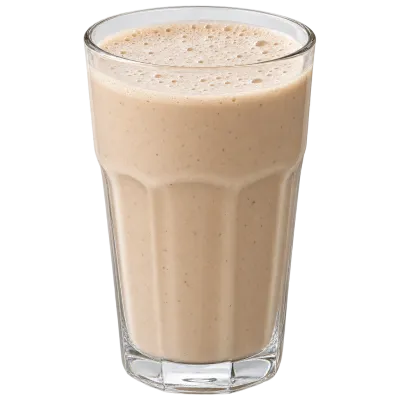 Matching productMeal Replacement ShakeAmazon →
02
Water or milk as a base
Water makes for a lighter, less filling shake and is a good choice if you want to avoid extra fat or calories. Milk makes the shake creamier, provides additional protein and often softens the taste of the powder, but it also adds calories.
Which base suits you better depends on your goal and your taste, and there is no fundamentally right or wrong choice here. Many people try both and decide differently depending on time of day or occasion, for example water for a light shake after sport and milk for a thicker shake as a small meal.
03
Plant-based drinks as an alternative
If you want or need to avoid milk, you can use plant-based drinks such as oat, almond, soy or rice drink instead. These differ, in some cases considerably, in taste, texture and nutritional profile; oat drink, for example, often seems slightly sweet and creamy, while almond drink is thinner.
Compared with most other plant-based drinks, soy drink itself also provides a substantial amount of protein, which makes it an obvious choice if you avoid dairy milk but still want a somewhat higher total protein amount in the shake. Unsweetened varieties help you control the overall sweetness of the shake yourself instead of leaving it to the powder alone. Rice drink is usually particularly thin and mild, so it suits lighter shakes, while oat drink keeps a pleasant consistency even in larger quantities thanks to its natural creaminess.
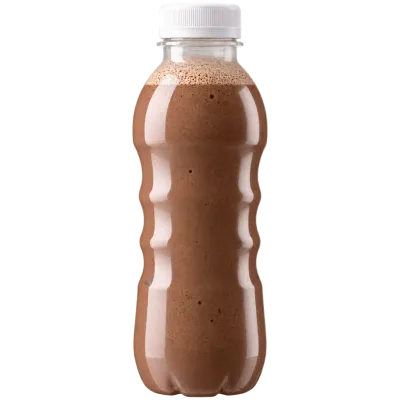 Matching productProtein DrinkAmazon →
04
Base liquids compared
| Base | Consistency | Special feature |
|---|---|---|
| Water | light, thin | no extra calories |
| Milk | creamy | provides additional protein |
| Oat drink | creamy, slightly sweet | plant-based alternative |
| Almond drink | rather thin | mild in taste |
| Soy drink | creamy | itself provides additional protein |
05
Baking and cooking with protein powder
Protein powder can also be used in warm or baked dishes, such as pancakes, waffles, porridge or home-baked protein bread. When baking, protein powder usually replaces only part of the flour, as it binds differently and can change the consistency of the dough; a complete replacement often leads to a drier or more crumbly result.
Strong heating can also change the consistency of protein powder, which is why it makes sense to stir the powder in towards the end of cooking rather than cooking it from the start. For pancakes or waffles it also helps to let the batter rest a little before it is cooked in the pan or waffle iron, so that the liquid can combine more evenly with the powder and the result is juicier overall. You will find more on high-protein baked goods in the glossary under protein bread. Protein pasta uses the same principle: here part of the grain content is replaced by legume flour or another high-protein flour, which raises the protein content of the finished pasta compared with classic wheat pasta.
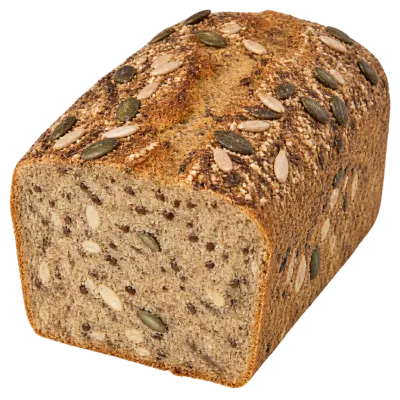 Matching productProtein Bread Baking MixAmazon →

06
Upgrading porridge and quark
Even without a separate shake, protein intake can be raised easily by upgrading existing meals. A spoonful of protein powder in warm porridge, stirred in after cooking, or mixed into low-fat quark, changes taste and consistency only a little but noticeably raises the protein content of the meal.
This way protein powder can also be built into meals you eat regularly anyway, without having to drink an extra shake. Protein powder also fits well into a smoothie with fruit and a little liquid, where the texture of the fruit additionally masks any slight lumps. Likewise, protein powder can be stirred into muesli or an overnight oats mixture, so that the next morning you already have a ready-made, high-protein meal in the fridge without having to mix anything yourself. Protein powder can also be worked into an ice-cream-like preparation made from frozen fruit if you have a blender or a powerful food processor. You will find more high-protein ingredients for such meals in the article high-protein foods.
07
Temperature and avoiding lumps
Lumps often form when protein powder is stirred in too quickly or into liquid that is too cold or too hot. Liquid at room temperature or slightly chilled usually combines most evenly with powder, while with very hot liquids the powder can curdle in places and form lumps.
If you stir by hand instead of shaking or blending, let the powder trickle in gradually rather than adding it all at once, which makes even dissolving much easier. If lumps do form, a short further shake or stir often helps, rather than discarding the whole portion straight away.
08
Meal prep with protein powder
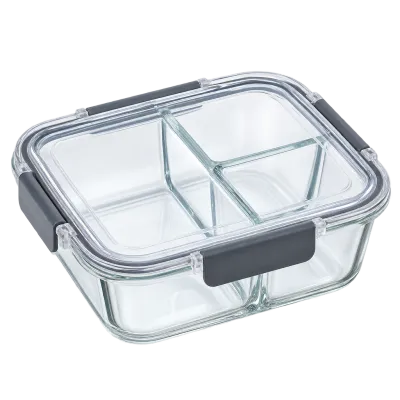
If you plan several days ahead, you can prepare portions of protein powder already measured out in small containers or bags, so that on the go you only have to add liquid. Ready-mixed shakes with milk or plant-based drink can usually be kept in the fridge only briefly, while dry pre-portioned powder stays fresh considerably longer.
High-protein porridge or quark portions can also be prepared well and stored in the fridge for several days, provided they are kept cool and covered. Labelled containers with a date help you keep track, especially if you have several different prepared meals in the fridge at once.
 Matching productMeal Prep ContainersAmazon →
09
Frequently asked questions
Can I mix protein powder with water only
Yes, that is the simplest option and works well with most powders. The consistency is lighter than with milk or a plant-based drink.
Why does my shake form lumps
Usually it is because of stirring in too quickly, an unsuitable liquid temperature, or too little stirring or shaking. A shaker with a sieve or a blender usually helps avoid lumps. The order can also play a role: if you put the liquid into the shaker first and the powder afterwards, the powder often distributes more evenly than when the two are combined in the reverse order.
Does heating change the effect of protein powder
Strong heating can change the consistency and structure of the protein without its basic suitability as a nutrient being lost. For an even consistency when cooking or baking, it is still worth stirring the powder in towards the end of preparation.
How long does a ready-mixed shake keep
A shake mixed with milk or a plant-based drink should be kept chilled and, as a rule, consumed within a few hours up to one day. You will find more precise information on the packaging of the product in question. A shake mixed with water only is often stable a little longer, but should still be drunk promptly and not kept for several days. If you notice any change in smell, taste or consistency, the general rule is that in case of doubt it is better not to use the shake any more. For the road it is therefore often a good idea to combine powder and liquid only shortly before drinking, rather than carrying the ready-mixed shake around unchilled for a long time.
 Matching productShakerAmazon →
Explore
Read next
 Protein types at a glance: whey, casein, plant-based and moreAn overview of all common protein types from whey to collagen, with a comparison table and links to detailed guides.
 Amino Acids: The Building Blocks of ProteinStructure, classification and functions of amino acids at a glance, with a table of all 20 proteinogenic amino acids and links to all guide…
 Supplements for Sport and Fitness: A Factual OverviewAll supplement categories at a glance, with the evidence rated from good to thin, plus safety and buying tips.