
6 min read
Histidine: Function, Requirement and Occurrence
What histidine is, what roles it plays in the body and how you cover your requirement through your diet.
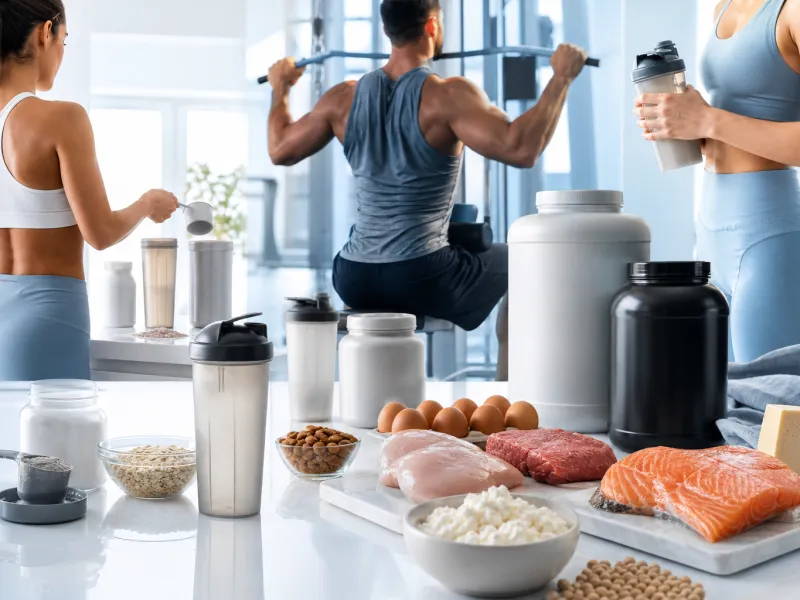
Histidine is an amino acid that rarely takes centre stage in everyday life, yet it is involved in important tasks, from the acid-base balance in muscle to the formation of histamine. It counts among the essential amino acids and therefore has to be taken in through the diet.
While amino acids such as leucine or lysine are often the focus in sports nutrition, histidine is discussed less often, even though it is indispensable for several fundamental bodily functions. A look at its roles shows why it deserves attention anyway.
This guide explains what histidine is, why it is essential, what roles it plays in the body, roughly how high the requirement is and in which foods you find it, as well as what role it plays in dietary supplements.
01
What is histidine?
Histidine is one of the proteinogenic amino acids, that is, one of the building blocks from which the body makes proteins. Chemically, it carries a so-called imidazole ring, a ring structure that gives it special properties, such as the ability to take up or release protons within a narrow pH range. This property makes histidine particularly valuable for certain enzymes and buffer systems in the body.
The name histidine derives from the Greek word for tissue, an indication that this amino acid was detected early on in animal tissue. Compared with better-known amino acids such as leucine or lysine, histidine plays a smaller role in public perception, but is no less important for metabolism.
For adults, histidine is one of the essential amino acids, and for infants it is even classed as particularly critical, since the requirement relative to body weight is much higher than in adults.
 Matching productL-LeucineAmazon →
02
Essential, with special features
Unlike other essential amino acids, the body can hold limited stores of histidine in muscle tissue, so a short-term shortfall in intake does not lead to symptoms immediately. Over a longer period, however, the body depends on a regular intake through food, as it cannot synthesise enough of its own.
With a normal, varied diet containing animal or plant protein sources, a real histidine deficiency is rare in healthy people in industrialised countries. Risk groups are mainly people with a very one-sided diet or certain chronic conditions, such as reduced kidney function, for whom medical advice makes sense.
For infants, breast milk or a suitable substitute formula is the natural source of histidine, and the much higher requirement relative to body weight is normally well covered by the composition of this food. Adults with a mixed diet generally do not need to worry about this question.
03
Roles in the body
Like every amino acid, histidine is incorporated into the body's own proteins. In addition, it is the starting substance for histamine, a messenger substance that plays a role in immune reactions, in regulating stomach acid and in signal transmission in the nervous system. Histamine is also the substance released in allergic reactions that triggers typical symptoms such as itching or swelling.
Another important role of histidine is as a component of carnosine, a small molecule made of histidine and beta-alanine that occurs mainly in muscle tissue and in the brain. There, carnosine acts, among other things, as a buffer against acidification of the muscle during intense exertion. You can find more in the guide to carnosine and in the guide to beta-alanine, which is usually the limiting factor for the body's own carnosine formation.
The carnosine content in muscle therefore depends on two building blocks: beta-alanine, which is often regarded as the actual bottleneck, and histidine, which is usually present in sufficient amounts on a normal diet. If you are interested in carnosine as a topic, you should therefore pay attention mainly to beta-alanine intake, while histidine is generally not a limiting factor.
Histidine is also involved in the formation of haemoglobin, the pigment of the red blood cells that transports oxygen in the blood, and in various enzyme reactions in metabolism, including copper and zinc metabolism, in which histidine can bind metal ions as a so-called chelating agent.
04
Requirement and occurrence
For healthy adults, scientific estimates put the histidine requirement at about 10 mg per kilogram of body weight per day, which corresponds to about 0.7 g per day for a person weighing 70 kg. In infants, the requirement relative to body weight is much higher, which explains the special importance of histidine in the first months of life.
| Food (per 100 g) | Histidine, approximately |
|---|---|
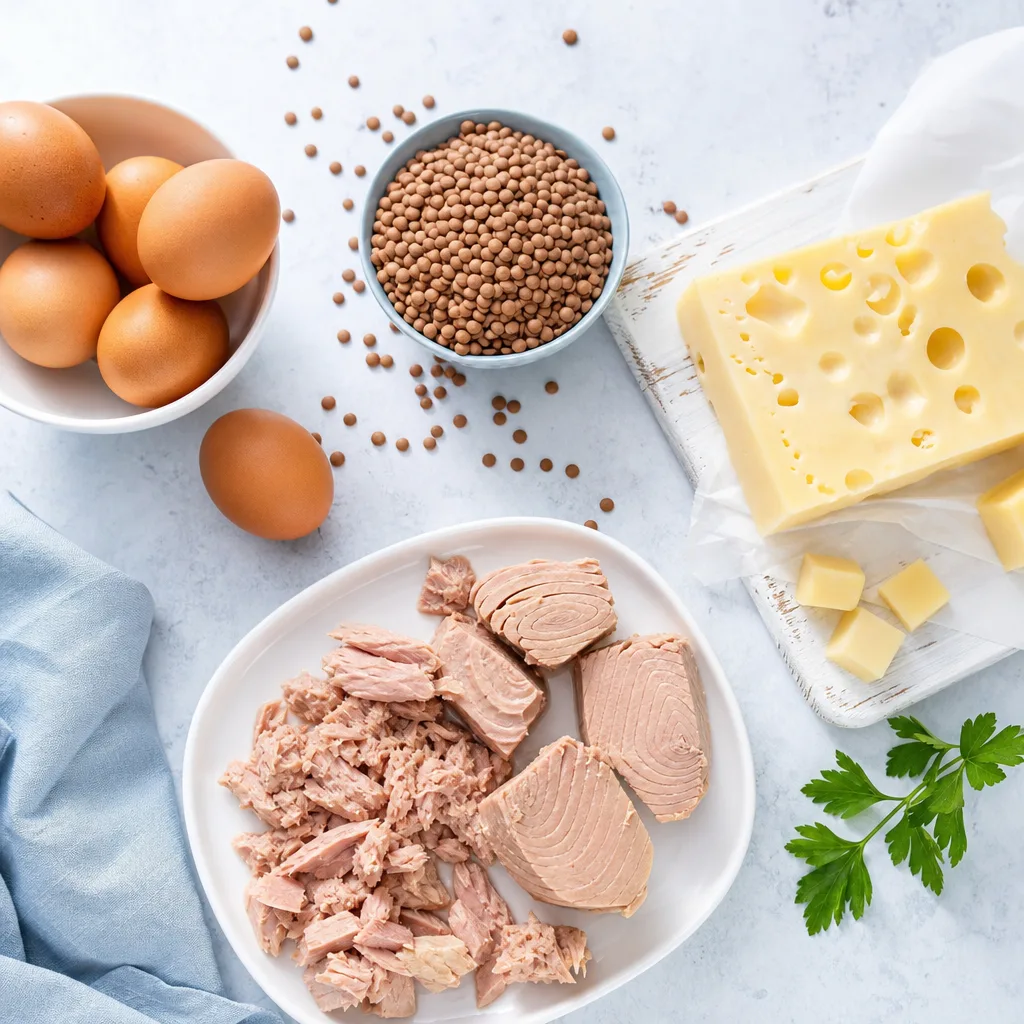
| Tuna | about 1.0 g |
| Beef | about 0.8 g |
| Chicken breast | about 0.7 g |
| Cheese (hard cheese) | about 0.8 g |
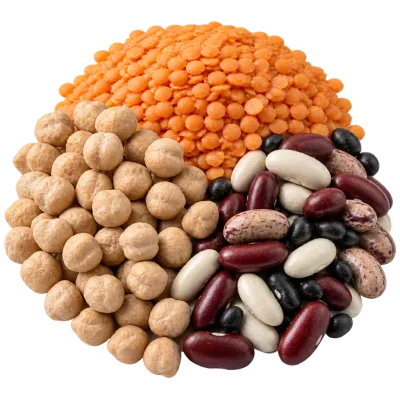
| Lentils, dried | about 0.7 g |
| Eggs | about 0.3 g |
| Wholemeal bread | about 0.2 g |
These figures are typical orders of magnitude and vary depending on variety, feeding, cultivation and preparation. If you regularly eat meat, fish, dairy products, eggs or legumes, you will generally meet your histidine requirement without any problem. A predominantly plant-based diet with legumes, wholegrain cereals and nuts also normally provides enough histidine, provided enough protein is taken in overall.
 Matching productLegume SetAmazon →
05
Role in supplements
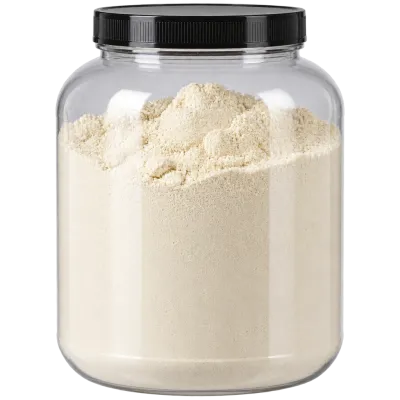
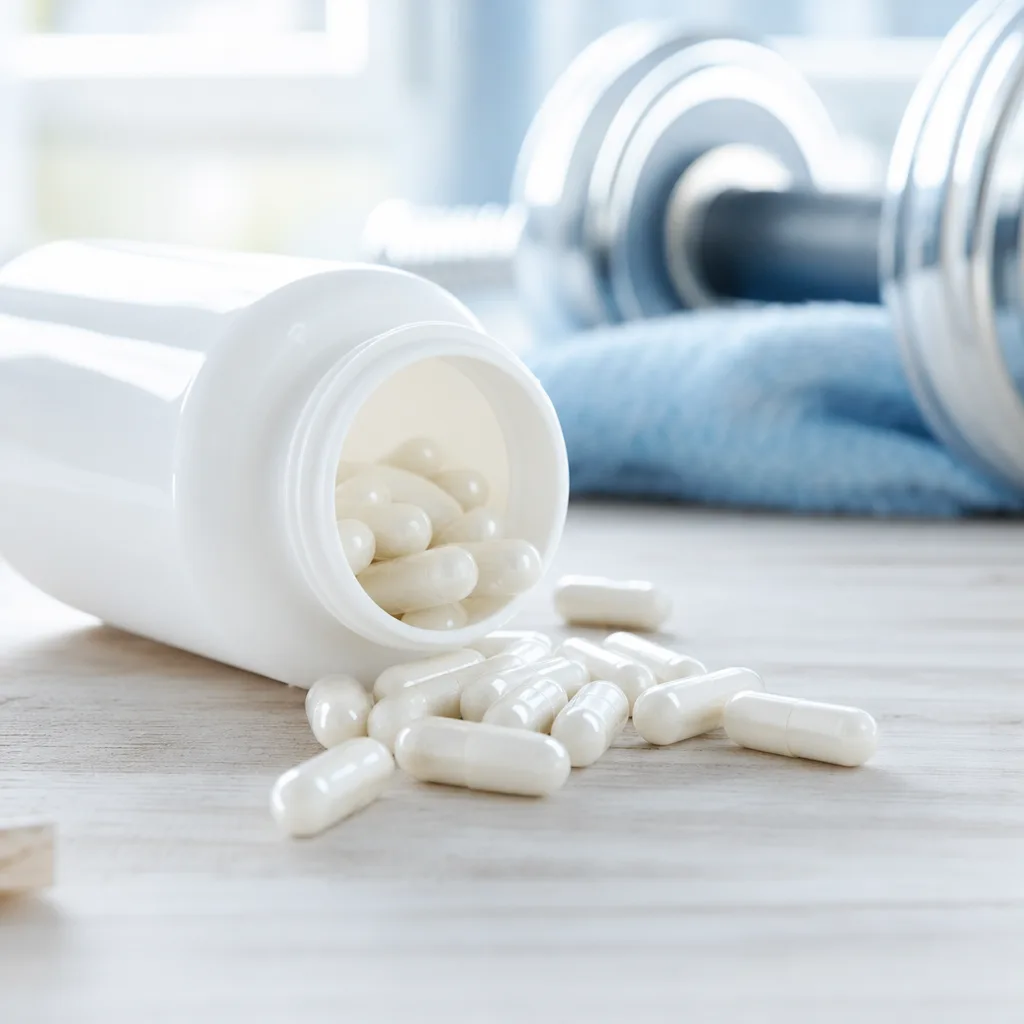
Isolated histidine is only rarely sold as a stand-alone supplement. More often, histidine is found as a component of EAA supplements, which contain all the essential amino acids in one mixture, or indirectly via carnosine and beta-alanine, which work by way of the histidine supply.
For most people, targeted histidine supplementation is not necessary, as the requirement is covered by a normal, high-protein diet. Dietary supplements can sensibly accompany a balanced diet, but they do not replace it. If you are interested in beta-alanine or carnosine as a supplement, you will find a more detailed assessment in the respective guides of which amounts are usual there and what the research says about them.
 Matching productWhey IsolateAmazon →
06
What the research says
There are comparatively few studies on histidine supplementation alone in healthy, well-nourished adults. Somewhat more research exists on histidine in connection with certain metabolic diseases or special diets, but here the evidence is specialist in nature and cannot easily be transferred to healthy athletes.
The effect of beta-alanine on muscle carnosine content is better documented, with histidine usually assumed to be present in sufficient amounts, as a usual diet supplies enough of it. Overall, histidine is regarded as an amino acid whose importance lies mainly in its role as a building block and precursor, less as a stand-alone dietary supplement with proven additional effects.
Histidine is also being studied in research on chronic kidney disease and on certain forms of anaemia, but these are medical questions that take place under medical supervision and cannot be transferred to healthy, active adults. For everyday sport, the most important practical finding remains that an adequate protein intake generally ensures the histidine supply reliably.
07
Frequently asked questions
What does the body need histidine for?
Histidine is needed for building protein and is the starting material for histamine and for carnosine, a molecule with a buffering function in muscle.
Can a histidine deficiency develop?
With a normal, varied diet, a deficiency is rare in healthy adults. With a very one-sided diet or certain conditions, medical advice makes sense.
Does a histidine supplement make sense?
It is not necessary for most people, as a high-protein diet usually covers the requirement. Related topics such as beta-alanine or carnosine are usually more interesting.
What is the difference between histidine and histamine?
Histidine is the amino acid; histamine is the messenger substance formed from histidine in the body, which plays a role in immune reactions, among other things.
Does a vegetarian or vegan diet cover the histidine requirement?
Generally yes, provided enough protein is taken in overall from different sources such as legumes, cereals and nuts. With a very one-sided diet, it is worth looking at your overall protein supply.
Does histidine also play a role in the acid-base balance?
Yes, because of its chemical structure, histidine can act as a buffer in the body and so help keep the pH within the narrow physiological range, similar to the way carnosine does specifically in muscle tissue.
 Matching productPea ProteinAmazon →
Explore
Read next
 Protein types at a glance: whey, casein, plant-based and moreAn overview of all common protein types from whey to collagen, with a comparison table and links to detailed guides.
 Amino Acids: The Building Blocks of ProteinStructure, classification and functions of amino acids at a glance, with a table of all 20 proteinogenic amino acids and links to all guide…
 Supplements for Sport and Fitness: A Factual OverviewAll supplement categories at a glance, with the evidence rated from good to thin, plus safety and buying tips.