
6 min read
Valine: Effects, Requirement and Sources of the Essential Amino Acid
What the essential amino acid valine does in the body, roughly how much you need and which foods contain it.
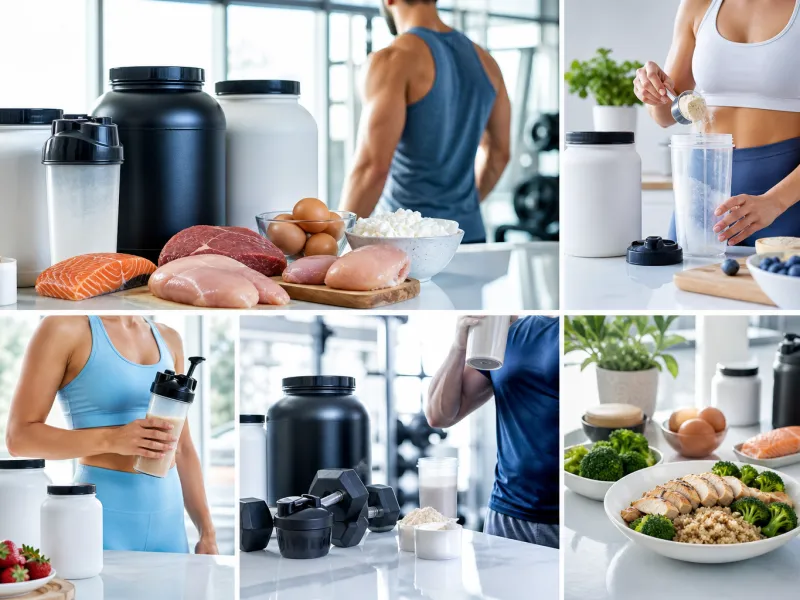
Like isoleucine and leucine, valine is an essential, branched-chain amino acid and therefore part of the BCAA group. Essential means your body cannot make valine itself, which is why the amino acid has to be taken in through food.
This guide shows you what roles valine plays in metabolism, roughly how high the requirement is, which foods contain valine and what role it plays in sports nutrition and dietary supplements.
01
What valine is and why it is essential
Valine is a proteinogenic amino acid with a branched side chain, which is why it is counted, together with isoleucine and leucine, among the branched-chain amino acids. In the body, these three amino acids are partly metabolised differently from other amino acids, as they can be broken down not only in the liver but also directly in skeletal muscle.
Since the human metabolism cannot synthesise valine from other building blocks, it counts among the essential amino acids. A regular intake through the diet is therefore necessary so that enough valine is available to the body for its functions.
Compared with non-essential amino acids, which the body can form itself from precursors when needed, the availability of valine therefore depends directly on how high in protein and how varied the diet is. If you regularly combine different protein sources, you generally do not need to give separate thought to getting enough valine.
 Matching productL-LeucineAmazon →
02
Roles of valine in the body
As a building block of body proteins, valine is involved in muscle protein synthesis and thus contributes to maintaining and building muscle tissue. In combination with isoleucine and leucine, valine is often discussed in connection with muscular recovery after physical exertion.
Besides its role as a protein building block, valine can serve as an additional energy source in energy metabolism, especially during prolonged exertion or when carbohydrate stores run low. Some research also looks at the role of branched-chain amino acids in nerve metabolism, where many questions are still open.
Like other amino acids, valine is also involved in the formation of enzymes and other functional proteins that are necessary for numerous metabolic processes. A deficiency of essential amino acids overall can affect many bodily functions, which is why a balanced overall protein intake is more important than looking at a single amino acid in isolation.
Together with isoleucine and leucine, valine forms the BCAA group, which, unlike many other amino acids, can be broken down directly in the muscles. In sports science, this metabolic pathway is discussed as one of the reasons why these three amino acids are in particular focus during and after physical exertion, even if the practical added benefit of taking them in isolation is often overestimated.
 Matching productBCAA PowderAmazon →
03
Requirement and reference values
For valine too, the requirement is usually covered by total protein intake and not considered separately. The DGE (German Nutrition Society) recommends about 0.8 grams of protein per kilogram of body weight per day for adults, and from about 65 years of age an intake of around 1.0 gram per kilogram is often cited.
In strength training and dieting phases, sports science often discusses higher values of about 1.2 to 2.0 grams of protein per kilogram of body weight. If you use these ranges as a rough guide and eat a varied diet, you will usually also meet your valine requirement automatically.
There is hardly any separate recommendation for valine alone in practice, as nutrition societies generally cover the requirement for essential amino acids through total protein intake. What matters, therefore, is less the exact amount of valine in grams than an overall adequate intake of high-quality protein from different sources, spread across the day.
In phases with an increased requirement, for example during intensive training, growth phases or a diet with reduced calorie intake, it can make sense to pay particular attention to getting enough protein. Blanket extra amounts of valine beyond the protein requirement that is already covered are, however, not necessary for most healthy, active people.
04
Valine in foods
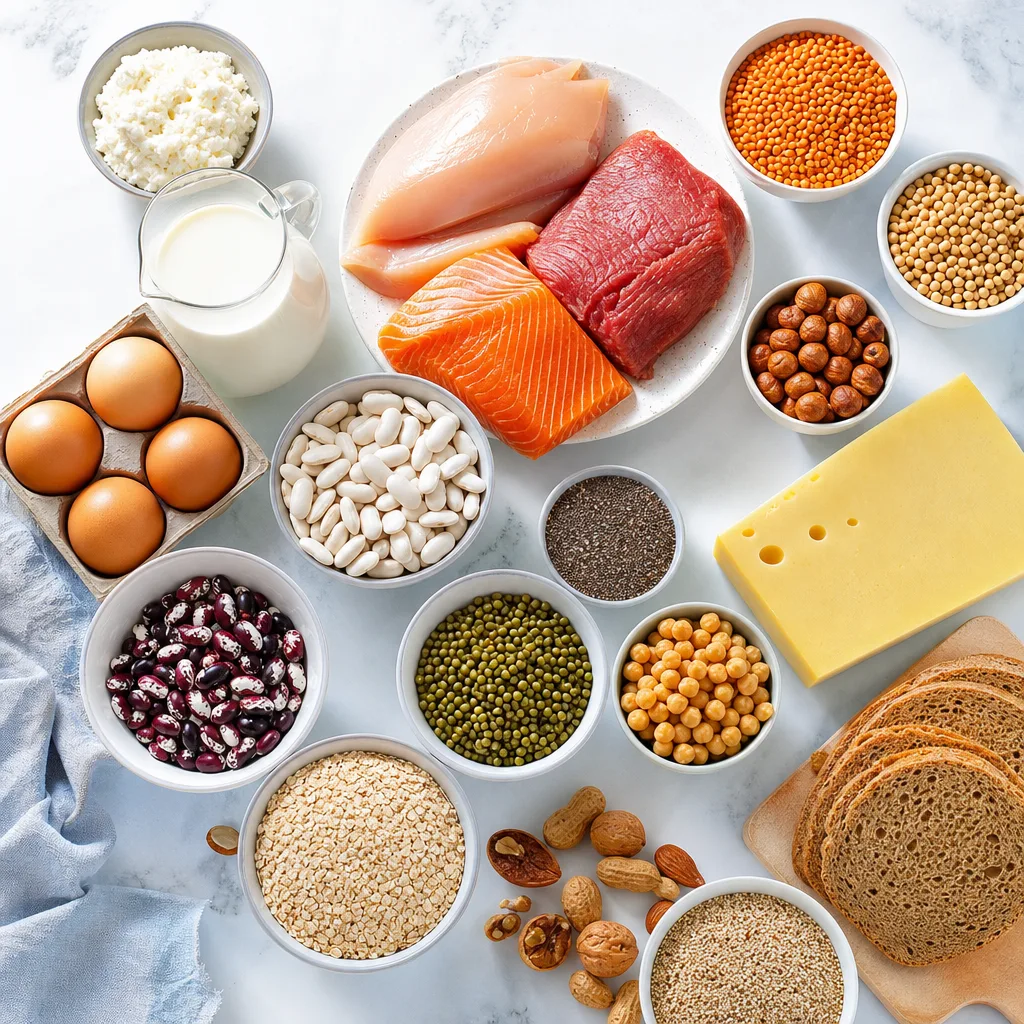
Valine is contained in both animal and plant foods. Particularly protein-rich sources such as meat, fish, dairy products and eggs provide notable amounts, but legumes, wholegrain cereals and nuts also contribute to the intake.
| Food | Typical valine content per 100 g (rough order of magnitude) |
|---|---|
| Chicken breast | about 1.3 to 1.5 g |
| Beef | about 1.1 to 1.3 g |
| Eggs | about 0.8 to 1.0 g |
| Skyr | about 0.6 to 0.8 g |
| Chickpeas, cooked | about 0.4 to 0.5 g |
| Rolled oats | about 0.5 to 0.6 g |
| Peanuts | about 1.0 to 1.1 g |
These values are typical orders of magnitude and can vary depending on variety, origin and method of preparation. With a varied diet containing enough protein sources, a targeted extra portion of valine is usually not necessary.
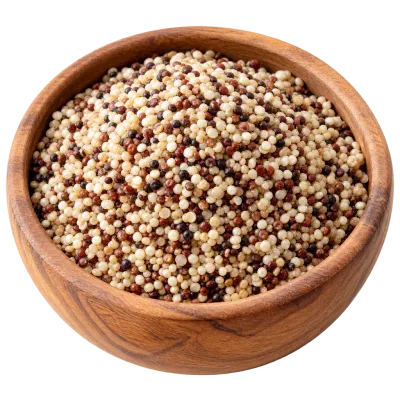
Dairy products such as quark, yoghurt and cheese also contribute to valine intake, as do many cereals and pseudocereals such as quinoa. For a varied diet, it is worth combining animal and plant protein sources rather than relying permanently on a single source.
 Matching productQuinoaAmazon →
05
Role in sports nutrition and supplements
Alongside isoleucine and leucine, valine is a central component of classic BCAA products and of more comprehensive EAA supplements, which cover all the essential amino acids. In such products, valine is usually present in a fixed ratio to the other two BCAAs.
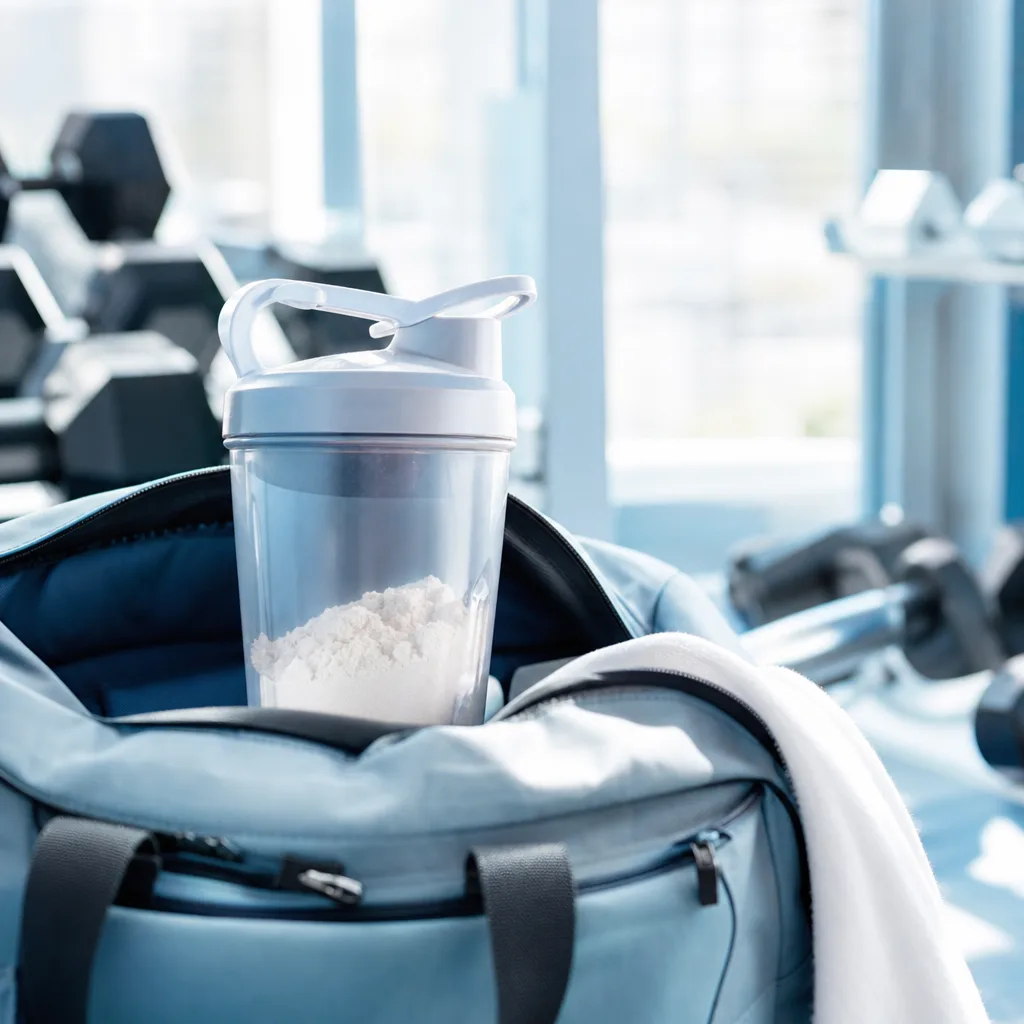
Such supplements are often taken around training, on the assumption that they reduce muscle breakdown during exertion and support recovery. Since valine is usually supplied in sufficient amounts by a normal high-protein diet, for example whey protein or other protein sources, a separate supplement is mainly a question of the individual dietary situation and practicality.
Some athletes prefer BCAA drinks during long training sessions, among other things because of the taste and easy handling on the go. A scientifically clear performance advantage over an overall adequate protein intake across the day cannot be derived from this alone, however.
 Matching productWhey Protein ConcentrateAmazon →
06
What the research says
The importance of valine as an essential building block of protein metabolism is scientifically undisputed. The evidence is less clear on whether isolated BCAA supplements bring an additional benefit for muscle building or recovery compared with an overall adequate protein intake. Some research sees at most a limited added benefit here if total protein intake is sufficient anyway.
There is research on the role of valine in nerve metabolism and in certain metabolic diseases, but it mostly concerns exceptional medical situations and cannot be transferred to healthy, active people. What remains important: valine is necessary for metabolism, but no blanket performance claims can be derived from individual studies. Dietary supplements are not a substitute for a balanced diet.
For valine too, as with isoleucine, many studies on BCAAs and muscle preservation were carried out under conditions in which the participants took in rather little protein overall. With an already sufficient protein intake from complete sources, the additional effect of isolated valine supplements tends to be smaller in more recent studies.
 Matching productWhey IsolateAmazon →
07
Frequently asked questions
What distinguishes valine from isoleucine and leucine
All three are branched-chain amino acids with a similar basic structure, but they differ in their exact chemical structure and partly in their function. Isoleucine and leucine are often linked somewhat more strongly with muscle protein synthesis in research, while valine also plays an important but partly different role.
Is a normal diet enough to get enough valine
With a balanced, high-protein diet, valine intake is usually covered. Targeted supplementation is usually only an issue if too little protein is taken in overall.
Who might find valine supplements interesting
Some athletes use BCAA or EAA supplements around training for practical reasons. Whether that makes sense for you depends on your overall diet, and a professional can advise you individually.
Are there risks with a high intake of valine
An excessive intake from food is practically ruled out. For supplements: use the amounts on the packaging as a guide, and seek medical advice if you have a medical condition, are pregnant or are taking medication.
Explore
Read next
 Protein types at a glance: whey, casein, plant-based and moreAn overview of all common protein types from whey to collagen, with a comparison table and links to detailed guides.
 Amino Acids: The Building Blocks of ProteinStructure, classification and functions of amino acids at a glance, with a table of all 20 proteinogenic amino acids and links to all guide…
 Supplements for Sport and Fitness: A Factual OverviewAll supplement categories at a glance, with the evidence rated from good to thin, plus safety and buying tips.