
6 min read
Amino Acids for Recovery After Training
Which amino acids matter for muscle repair and recovery after training, and how to fit them sensibly into your diet.
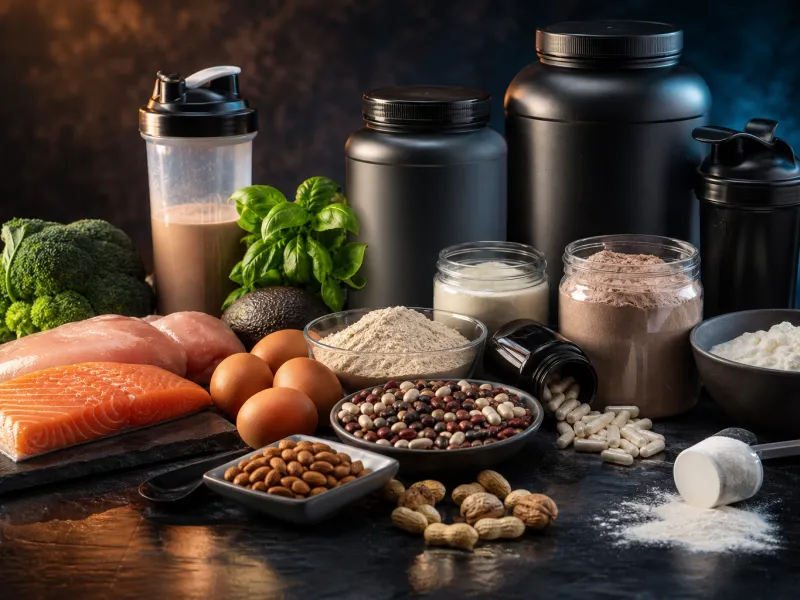
After an intense training session, small structural damage occurs in the muscle, which the body repairs over the following hours and days. This process is called recovery and is the precondition for the muscle then becoming stronger or more enduring. Amino acids play a central role in it, because they supply the building blocks from which new muscle tissue is built.
This guide explains how the recovery process works in principle, which amino acids are mentioned particularly often in this context and where the difference lies between well-established basics and exaggerated advertising claims.
Recovery concerns not only muscle but also tendons, ligaments and the nervous system, which recover at different speeds after exertion. While muscle often recovers largely within one to three days, tendons and ligaments, because of their poorer blood supply, often need considerably longer, which can also be taken into account when planning training.
01
What happens in the muscle during recovery
Training, especially with unfamiliar movements or high intensity, causes tiny tears in the muscle fibres. The body responds with increased formation of new protein, so-called muscle protein synthesis, which repairs damaged structures and slightly strengthens the muscle as part of adaptation. For this process to work, the body needs enough amino acids as building material, both essential and non-essential.
Besides protein intake itself, sleep, total energy intake and enough recovery time between intense training sessions also play an important role. Amino acids are a necessary factor for good recovery, but not the only one.
The duration of recovery also depends heavily on training intensity, training status and the muscle group used. Unfamiliar eccentric movements, that is, those in which the muscle is stretched under tension, often cause more pronounced muscle soreness and a longer recovery time than familiar, moderate loads. Advanced, well-trained athletes generally recover faster from the same relative load than beginners, because the body adapts to recurring stimuli over time.

02
BCAA, EAA and complete protein compared
In sports nutrition, branched-chain amino acids, BCAA for short, and all essential amino acids, EAA for short, are often advertised as recovery aids in their own right. The following table puts the different options in context.
| Form | Contains | Assessment |
|---|---|---|
| BCAA | leucine, isoleucine, valine | only three of nine essential amino acids, of limited effect for muscle building without the others |
| EAA | all nine essential amino acids | covers the essential amino acid pattern more completely than BCAA alone |
| Complete protein, for example whey | all essential and non-essential amino acids | additionally supplies building blocks for all other metabolic processes, not only for muscle |
From a scientific point of view, taking BCAA in isolation is less effective for muscle protein synthesis than a complete amino acid pattern, because building new muscle proteins also requires the other essential amino acids. If you already get enough protein from your diet or a protein shake, you generally do not benefit further from separate BCAA products.
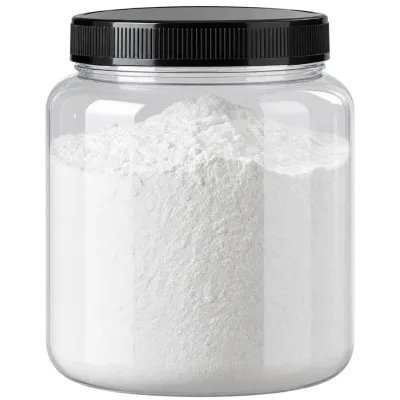 Matching productBCAA PowderAmazon →
03
Leucine as a particularly well-studied amino acid
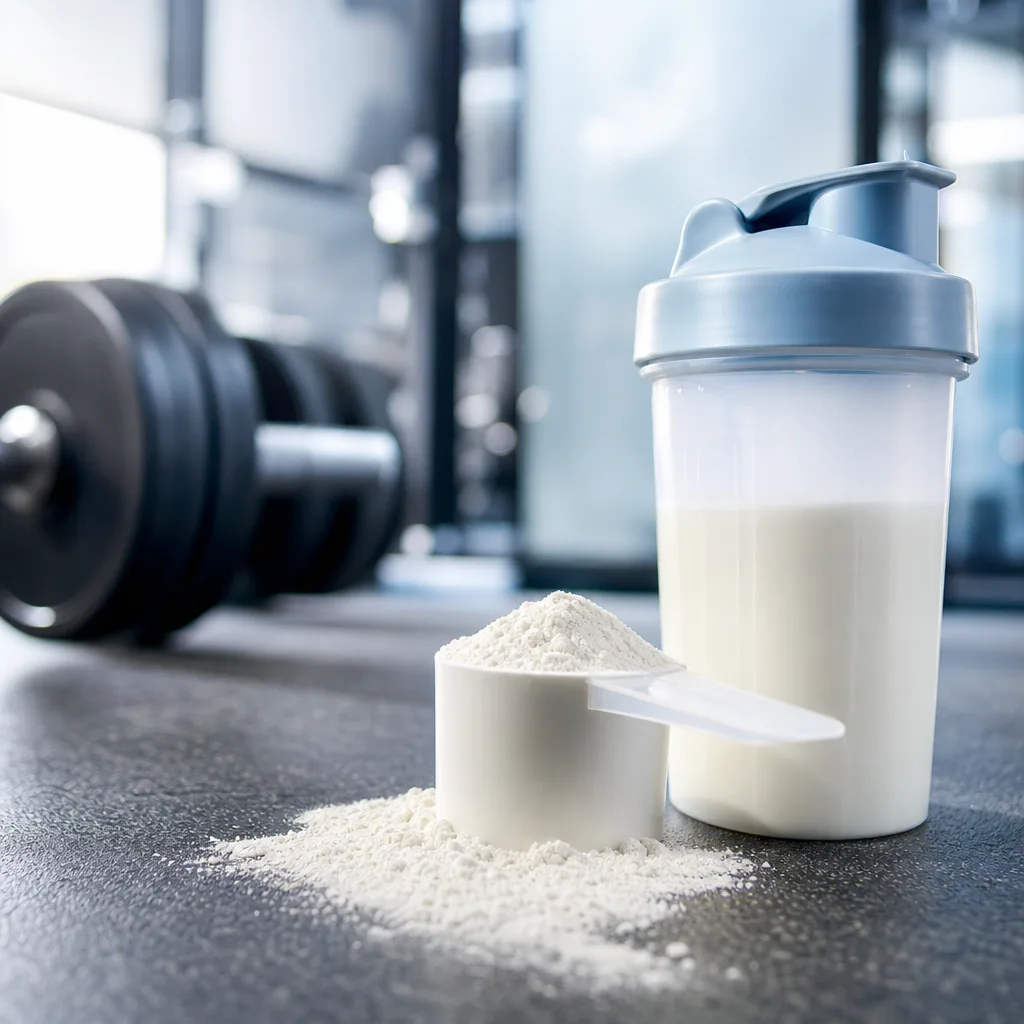
Leucine is considered particularly relevant among the essential amino acids for starting muscle protein synthesis, because it is involved in a central signalling pathway in the muscle. Research often discusses a certain amount of leucine per meal above which this pathway is activated particularly reliably. Protein sources with a naturally high leucine content, such as whey protein, are therefore often highlighted in connection with recovery.
This does not mean that other protein sources are unsuitable. With a sufficient total amount and a combination of different plant protein sources, an adequate leucine content can also be reached without animal protein.
 Matching productL-LeucineAmazon →
04
Timing of amino acid intake around training
Timing of intake is one area of sports nutrition where the scientific view has shifted considerably in recent years.
For a long time, a narrow time window directly after training was advertised as decisive for recovery, the so-called anabolic window. More recent studies put this view into considerable perspective. More important than the exact minute after training is the total amount of protein spread across the day, divided over several meals. You can find more details in the guide to Protein timing.
In practice this means that a protein-rich meal or a shake within a few hours before or after training is enough in most cases, and a strict time window of a few minutes is not necessary for recreational athletes.
The situation is somewhat different if you train fasted, that is, without a meal beforehand. In this case a protein-rich meal as soon as possible after training can make sense, to supply the body with building material again quickly after the longer break without nutrients. Here too, though, we are talking about a matter of hours, not minutes.
05
Other factors for good recovery
Amino acids and protein are an important, but only one, building block of recovery. The following points add further, equally well-supported influencing factors to nutrition.
- Enough sleep is regarded as one of the most important and best-supported recovery factors of all.
- An adequate total energy intake prevents protein from being used mainly for energy instead of for building muscle.
- Enough fluid and minerals support metabolic processes involved in recovery.
- Rest days and a varied training plan prevent the same muscle groups from being repeatedly loaded hard without adequate recovery.
- Dietary supplements such as amino acid products can add to an already adequate protein intake, but they do not replace a balanced diet.
 Matching productSports BraAmazon →
06
What the research says
The basic link between adequate protein intake and improved recovery after training is scientifically well established. For taking individual amino acids such as BCAA in isolation on top of an already adequate protein supply, the evidence is far weaker, and several reviews find no relevant added benefit over complete protein.
For leucine as a single amino acid there is a comparatively good body of evidence on its role in muscle protein synthesis, but mainly in the context of an adequate overall protein intake, not as an isolated miracle remedy. For many other commonly advertised recovery amino acids such as arginine or glutamine in healthy recreational athletes, the evidence is mixed and in part contradictory.
A further reason for caution with individual studies is the often small number of participants in many sports studies, frequently only a few dozen people, as well as differences in the training status, sex and age of participants. Reviews that summarise several individual studies are therefore considered more informative than individual studies viewed in isolation.
 Matching productWhey IsolateAmazon →

07
Frequently asked questions
Do I need BCAA capsules in addition to protein?
With an adequate daily protein intake, an additional benefit of isolated BCAA is not convincingly shown, since complete protein already supplies all the necessary amino acids.
How soon after training should I take protein?
A narrow time window of a few minutes is not necessary. A protein-rich meal or a shake within a few hours around training is enough for most recreational athletes.
Which amino acid is most important for recovery?
Leucine is named particularly often in research, but what matters is a complete amino acid pattern, as found in whole protein, not a single isolated amino acid.
Does a course of amino acids help with muscle soreness?
A direct, reliable effect on muscle soreness has not been clearly shown. Enough protein, sleep and a moderate build-up of training are the better-supported measures.
Are plant protein sources just as suitable for recovery?
Yes, with a sufficient amount and a combination of different plant sources, a complete amino acid pattern can also be reached without animal protein.
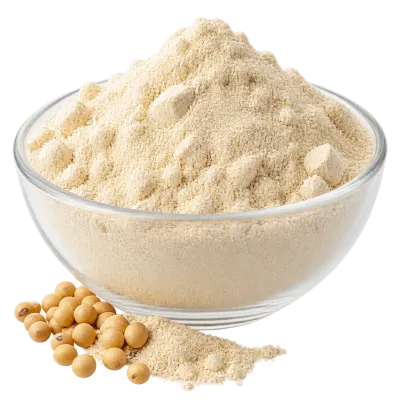 Matching productSoy Protein IsolateAmazon →
Explore
Read next
 Protein types at a glance: whey, casein, plant-based and moreAn overview of all common protein types from whey to collagen, with a comparison table and links to detailed guides.
 Amino Acids: The Building Blocks of ProteinStructure, classification and functions of amino acids at a glance, with a table of all 20 proteinogenic amino acids and links to all guide…
 Supplements for Sport and Fitness: A Factual OverviewAll supplement categories at a glance, with the evidence rated from good to thin, plus safety and buying tips.