
6 min read
Threonine: Effects, Requirement and Sources of the Essential Amino Acid
What the essential amino acid threonine does in the body, roughly how much you need and which foods contain it.

Threonine is one of the essential amino acids. This means your body cannot make threonine itself and therefore depends on a regular intake through food. Among other things, threonine plays an important role for the mucous membranes and connective tissue.
In this guide you will learn what roles threonine plays in the body, roughly how high the requirement is, which foods contain the amino acid and what role it plays in sports nutrition and dietary supplements.
01
What threonine is and why it is essential
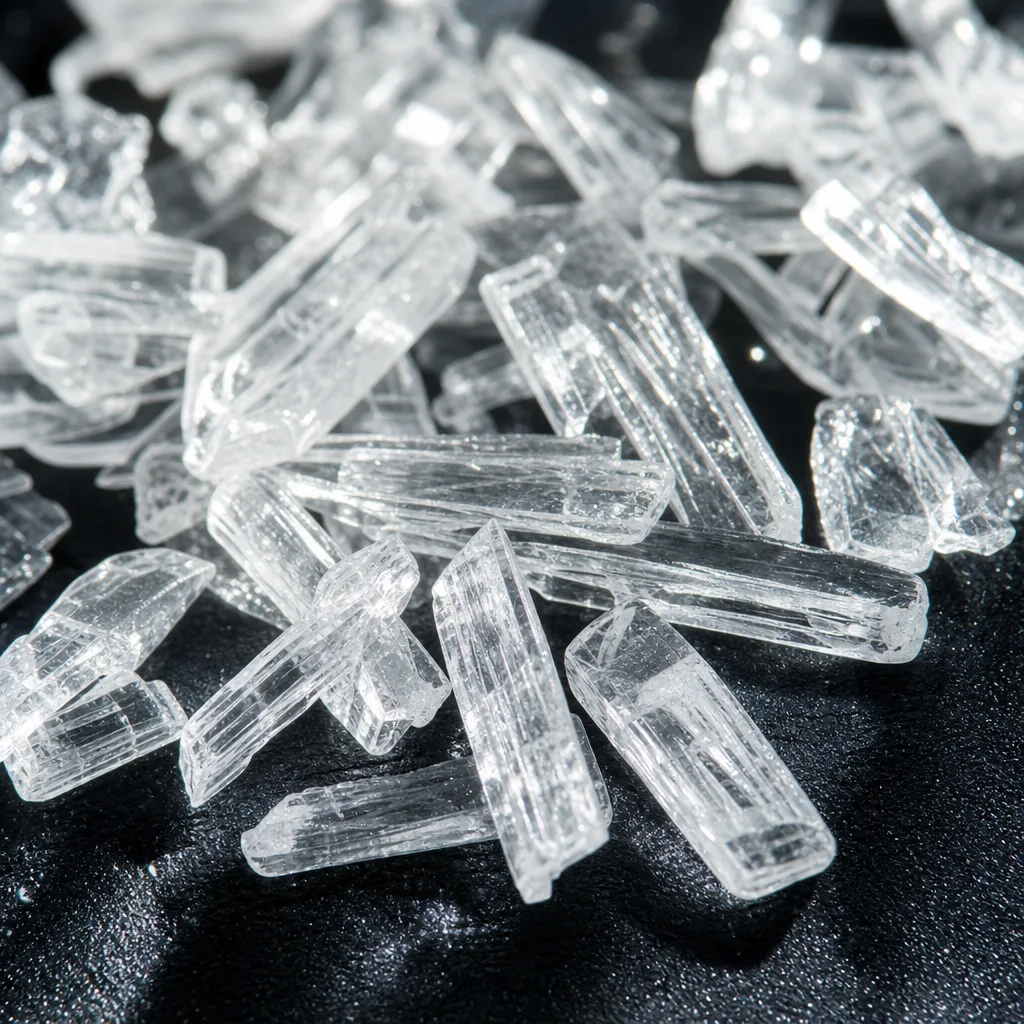
Threonine is a proteinogenic amino acid found in almost all body proteins. Particularly high amounts are found in collagen and mucins, the mucus-forming proteins of the mucous membranes, which is why threonine is often mentioned in connection with gut health and connective tissue.
Since the body cannot synthesise threonine itself, it counts among the essential amino acids. An adequate intake through the diet is necessary so that enough threonine is available for building and maintaining these tissues.
Compared with some other essential amino acids, threonine is one of the less well-known ones, although its roles for connective tissue and mucous membranes are quite relevant in everyday life. A high-protein, varied diet generally covers the requirement reliably, without any need to focus specifically on this single amino acid.
02
Roles of threonine in the body
Threonine is an important building block of collagen and elastin, two structural proteins that matter for skin, connective tissue, tendons and ligaments. Threonine is also a central component of mucins, the proteins that form the protective mucus layer of the gastrointestinal tract.
Beyond this structural function, threonine is involved in protein synthesis in general and plays a role in the function of the immune system, as antibodies and other immune proteins also contain threonine. In the liver, threonine is also discussed in connection with fat metabolism, although the exact mechanisms in humans are not yet fully clarified.
Threonine is also considered relevant for the formation of tooth enamel and certain structures of connective tissue, as it is part of the underlying protein structures. These varied structural roles show why threonine, despite being less well known, is an important building block of daily protein intake.
Since threonine, unlike some other amino acids, can be stored in the body only to a limited extent, a regular intake spread across the day makes sense so that enough threonine is available for these different tasks.
Research also discusses threonine in connection with the function of the intestinal lining as a barrier, since an intact mucus layer provides an important protective function against pathogens and harmful substances in the gut. An adequate overall protein intake is regarded as a basic prerequisite for this tissue to renew itself regularly.
03
Requirement and reference values
As with other essential amino acids, the threonine requirement is generally covered by total protein intake. The DGE (German Nutrition Society) recommends about 0.8 grams of protein per kilogram of body weight per day for adults, and from about 65 years of age an intake of around 1.0 gram per kilogram is often cited.
In strength training and during diets, sports science often gives values of about 1.2 to 2.0 grams of protein per kilogram of body weight as a range. If you use these values as a rough guide and eat a varied diet, you will generally also meet your threonine requirement automatically.
Since threonine can be stored only to a limited extent, some nutrition recommendations point out that protein sources should be spread over several meals a day rather than concentrating the entire daily amount in one meal. This applies in principle to all essential amino acids, but is occasionally emphasised especially for threonine because of its role for mucous membranes.
For most people with a normal, varied diet, an adequate threonine supply is not a problem in practice. A targeted calculation of individual amino acid amounts is generally not necessary in everyday life as long as total protein intake is right.
04
Threonine in foods
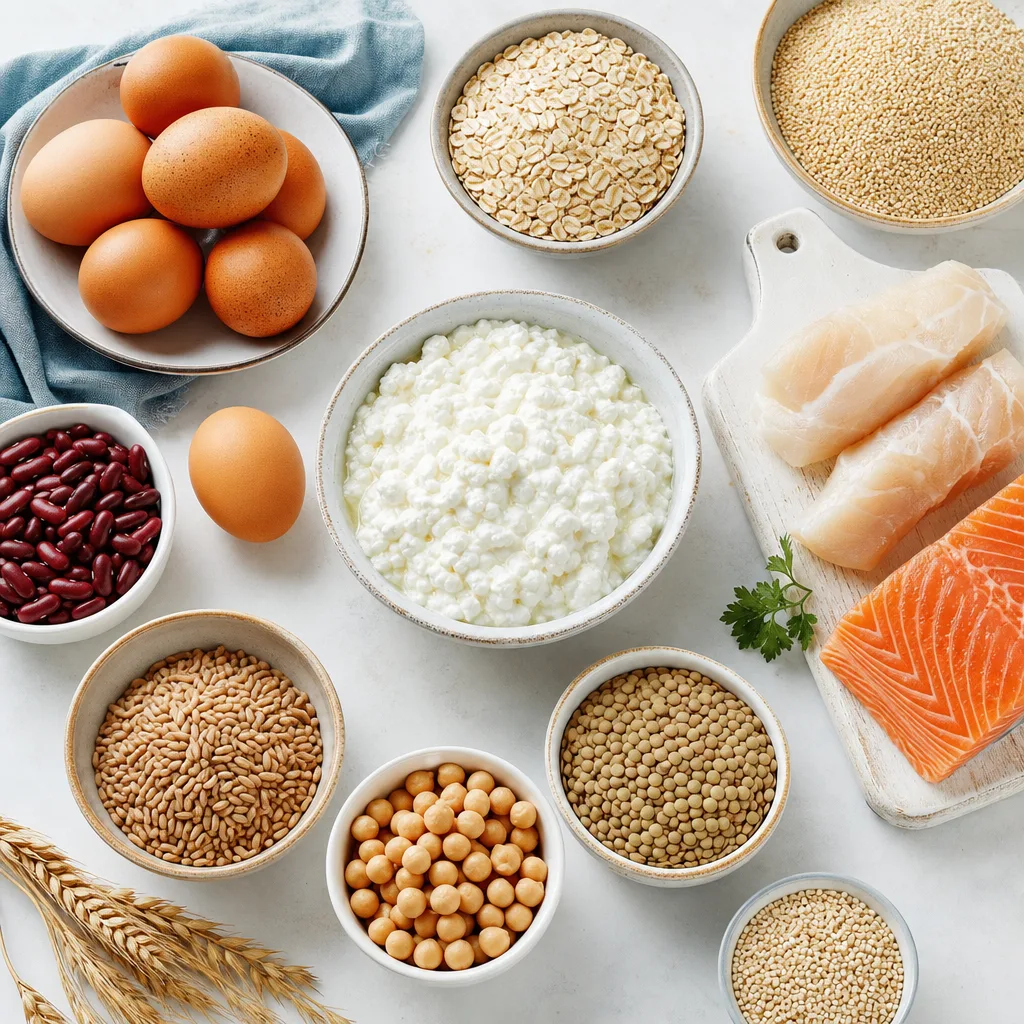
Threonine occurs in almost all high-protein foods. Particularly high contents are found in dairy products, eggs, fish and meat, but legumes and cereals also provide relevant amounts.
| Food | Typical threonine content per 100 g (rough order of magnitude) |
|---|---|
| Chicken breast | about 1.0 to 1.1 g |
| Tuna | about 1.0 to 1.1 g |
| Eggs | about 0.55 to 0.65 g |
| Cottage cheese | about 0.4 to 0.5 g |
| Chickpeas, cooked | about 0.3 to 0.35 g |
| Rolled oats | about 0.35 to 0.4 g |
| Soybeans, cooked | about 0.6 to 0.7 g |
These figures are also typical orders of magnitude and can vary depending on variety, origin and preparation. With a varied diet containing enough high-protein foods, you will generally meet your threonine requirement without targeted supplementation.
Dairy products such as skyr, quark and cheese are also good sources of threonine, as are many kinds of fish. For a balanced intake, it is worth regularly combining animal and plant protein sources rather than permanently limiting yourself to a single food group.
05
Role in sports nutrition and supplements
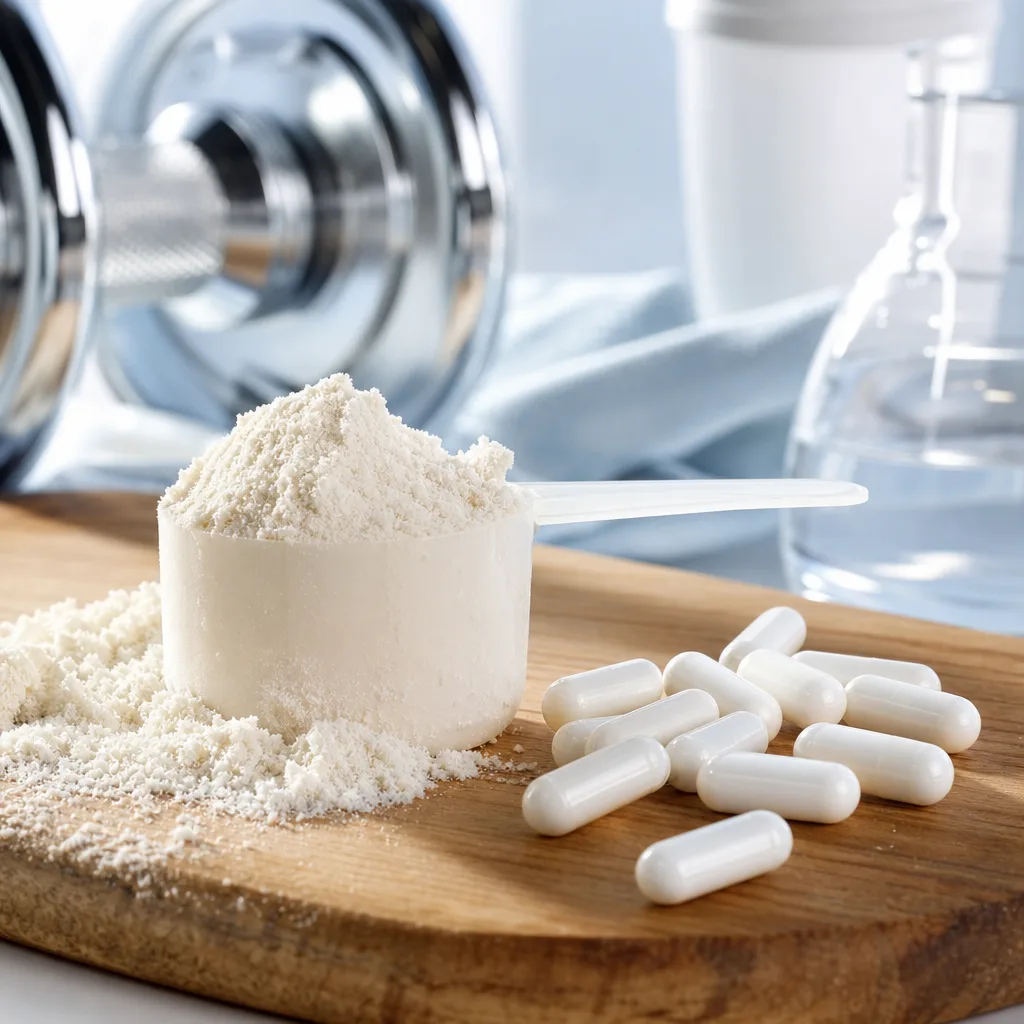
Threonine is a component of comprehensive EAA supplements, which contain all the essential amino acids, but as an isolated single supplement it plays a minor role in sport compared with the branched-chain amino acids.
Since threonine is generally supplied in sufficient amounts by a balanced, high-protein diet, for example with whey protein, casein or plant protein sources, a separate supplement is not necessary for most people with a normal protein intake.
Some manufacturers advertise threonine in connection with supporting the gut barrier during intensive training phases. Such claims should be viewed with caution, as solid evidence of an additional benefit for healthy athletes who are already well nourished is so far limited.
If you still want to try a supplement, you should regard it as a complement to an already balanced diet and not as a replacement for complete protein sources in everyday life. The amounts stated on the packaging serve as a rough guide, not as a fixed rule.
 Matching productWhey Protein ConcentrateAmazon →
06
What the research says
The importance of threonine for building collagen, mucins and other structural proteins is scientifically well established. The evidence is less clear on whether additional threonine intake beyond the normal requirement brings a measurable added benefit for gut health, skin or connective tissue in people who are already well nourished.
A large part of the research on threonine and the intestinal lining comes from animal models or concerns situations with an inadequate protein supply, so transferability to healthy adults with a balanced diet is limited. Overall: threonine is a necessary building block of many tissues, but no blanket promises for supplementation can be derived from individual studies. Dietary supplements are not a substitute for a balanced diet.
There is also research on the role of threonine in liver fat metabolism, which mostly comes from animal models. Reliable statements for humans, in particular for healthy, well-nourished adults, cannot currently be derived from it, which is why concrete recommendations should be avoided here.
07
Frequently asked questions
Why is threonine linked to gut health
Threonine is an important building block of mucins, the proteins that make up the protective mucus layer of the gastrointestinal tract. An adequate overall protein intake therefore also indirectly supports the supply of threonine for these tissues.
Is threonine good for skin and connective tissue
Threonine is a building block of collagen and elastin and is therefore structurally relevant for connective tissue. A direct, isolated effect of additional threonine intake on visible skin changes cannot be clearly derived from the current evidence, however.
Is a normal diet enough to get enough threonine
With a balanced, high-protein diet, threonine intake is usually covered. Targeted supplementation is usually only relevant if too little protein is taken in overall.
Can vegans get enough threonine
Yes, legumes, soy products and cereals provide relevant amounts of threonine. A combination of different plant protein sources helps achieve a complete amino acid profile, even without animal foods or targeted supplementation.
 Matching productWhey IsolateAmazon →
Explore
Read next
 Protein types at a glance: whey, casein, plant-based and moreAn overview of all common protein types from whey to collagen, with a comparison table and links to detailed guides.
 Amino Acids: The Building Blocks of ProteinStructure, classification and functions of amino acids at a glance, with a table of all 20 proteinogenic amino acids and links to all guide…
 Supplements for Sport and Fitness: A Factual OverviewAll supplement categories at a glance, with the evidence rated from good to thin, plus safety and buying tips.