
6 min read
Sensible Supplementation With Amino Acids: An Assessment
Who may benefit from targeted amino acid supplementation, which situations bring a higher requirement and where caution is appropriate.

Amino acid products are among the most heavily advertised dietary supplements in sport and fitness. Advertising often promises, in blanket terms, more energy, better recovery or a younger appearance. Targeted amino acid intake really is useful in certain situations, but in many other cases a balanced diet already covers the requirement completely.
This guide sets out in which situations supplementing with amino acids can actually make a difference, for whom it is less relevant and what to look for when choosing.
The decision for or against supplementation can rarely be made in blanket terms, as it depends on factors such as training status, age, way of eating and individual health circumstances. A realistic assessment of your own starting point is therefore more helpful than a general recommendation meant to apply equally to everyone.
01
How the body normally gets amino acids
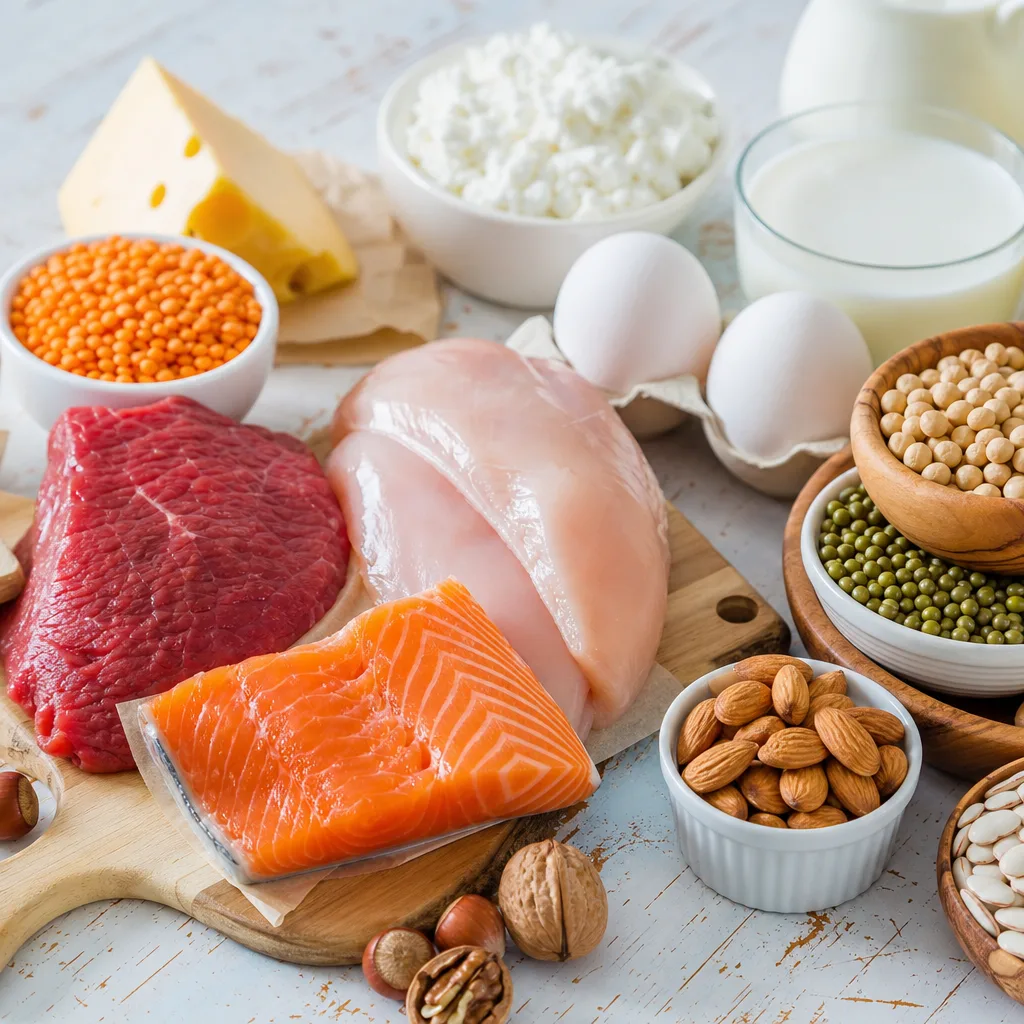
Amino acids enter the body through food, mainly in the form of proteins, which are broken down in the digestive tract into individual amino acids and short peptide chains. With a balanced diet containing enough protein from different sources such as eggs, fish, poultry, dairy products, legumes and wholegrain products, the requirement for all essential and non-essential amino acids is generally covered completely.
The DGE (German Nutrition Society) recommends about 0.8 grams of protein per kilogram of body weight per day for healthy adults, and from around 65 years a somewhat higher amount of about 1.0 gram per kilogram is often discussed because of declining muscle protein synthesis in older age. Anyone who reaches these amounts through diet needs no additional isolated amino acid intake in most cases.
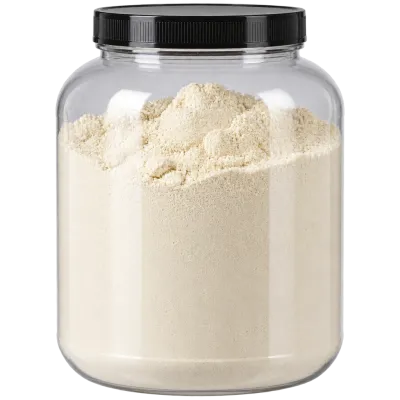 Matching productWhey IsolateAmazon →
02
Situations with increased requirements
There are nevertheless situations in which the requirement for protein or individual amino acids goes beyond the usual level, or in which intake through a normal diet is made difficult. The following table gives an overview.
| Situation | Why the requirement may be higher |
|---|---|
| Intense strength or endurance sport | increased need for muscle building and recovery, often about 1.2 to 2.0 g protein per kg of body weight |
| Older age | declining muscle protein synthesis, often lower general appetite |
| Vegan or heavily restricted diet | fewer natural protein sources, combining different sources is important |
| Diet phases with a calorie deficit | protein requirement for preserving muscle mass rises relative to calorie intake |
| Certain illnesses | altered metabolism or nutrient requirements, only after medical assessment |
In these situations, targeted supplementation with complete protein or, in individual cases, with certain amino acids can make sense, especially when intake through normal meals is difficult for reasons of time or appetite.
With chronic inflammatory bowel disease or after major surgery, too, the absorption of or requirement for protein and individual amino acids can be altered. Such medical situations should always be accompanied by a doctor, as the choice of a suitable form of protein and the tolerability of individual products also play a role here that goes beyond general nutrition recommendations.
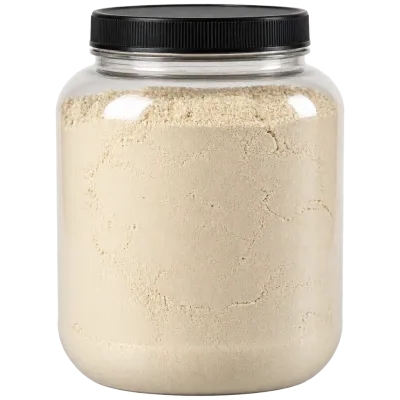 Matching productPea ProteinAmazon →
03
Complete protein instead of isolated single amino acids
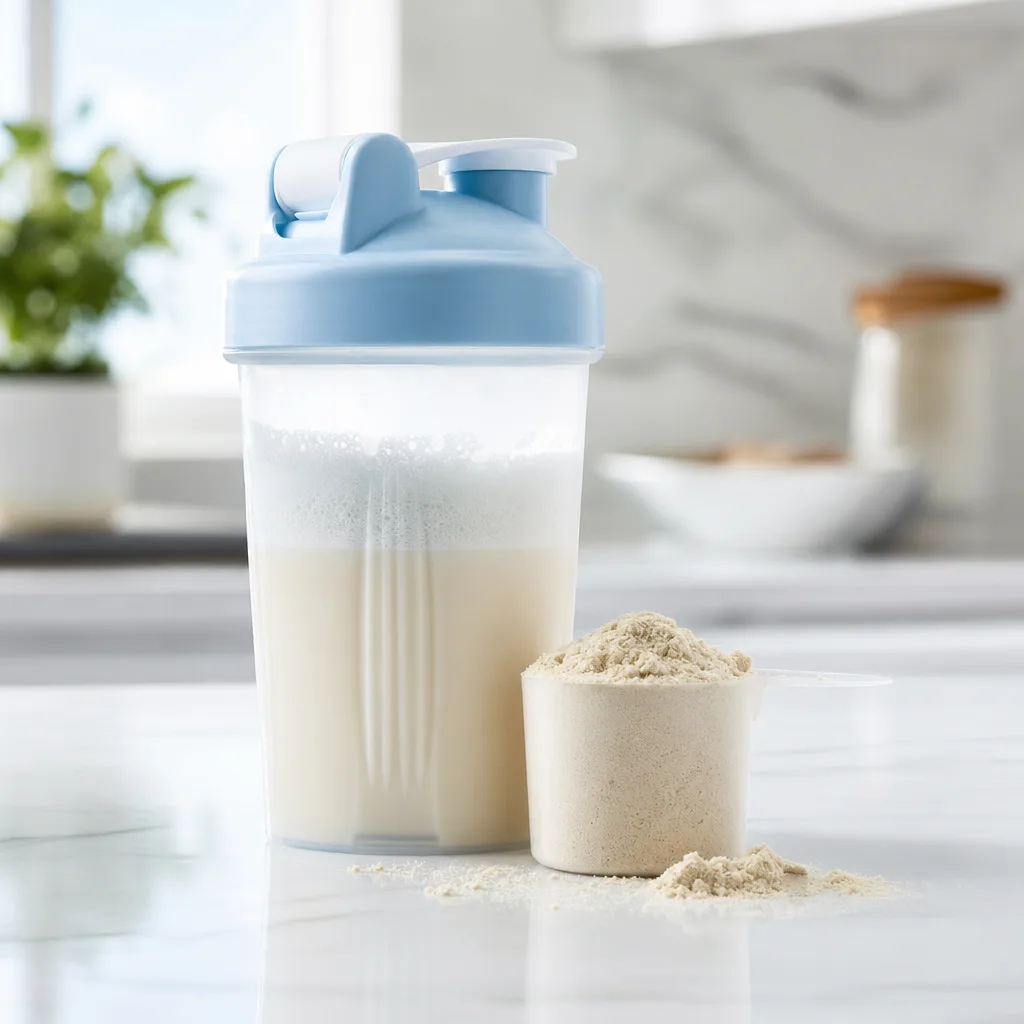
In most cases where supplementation makes sense, a complete protein product such as whey, casein or a vegan protein powder is preferable to an isolated single amino acid, because it supplies all essential amino acids at the same time. Isolated single amino acids such as lysine or ornithine are more likely to come into question in special situations, such as when a particular amino acid is to be supplemented deliberately or in certain medical indications supervised by a doctor.
A common special case is creatine, which is made from amino acids but is a separate group of active substances. For creatine, an amount of about 3 to 5 grams of monohydrate per day is the usual amount in research, and an initial loading phase is not necessary.
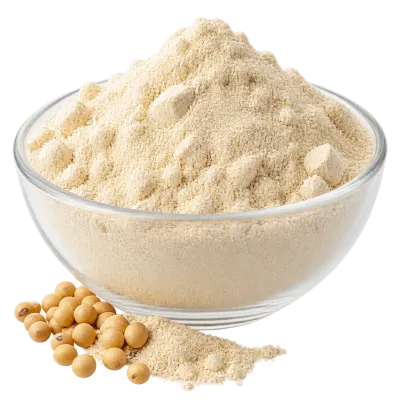 Matching productSoy Protein IsolateAmazon →
04
When supplementation is less likely to be necessary
With an already balanced diet containing enough protein from different sources and no particular sporting or health starting point, additional amino acid supplementation is not necessary in most cases. This applies in particular to blanket promises around anti-ageing, boosting potency or especially fast fat burning, where the evidence is often thin or mixed and the actual effect is presented as more striking than the available data support.
If you are unsure whether supplementation makes sense in your case, you can roughly record your actual protein intake over a few days and compare it with the usual recommended values before buying a product.
05
What to look for when choosing
If you decide on a dietary supplement, the following points help you make a sensible choice that suits you, instead of going only by advertising claims.
- First check whether your daily protein intake from normal food is already within the recommended range.
- For supplementation, generally prefer complete protein to isolated single amino acids, except for a specific reason that has been checked with a doctor.
- With dietary supplements, look for a complete ingredients list and the recommended amount on the packaging.
- If you have existing liver or kidney disease, are pregnant or take medication, it makes sense to consult a doctor before taking them.
- Dietary supplements are not a substitute for a balanced diet, but at most a targeted addition when there is an actual need.
- A step-by-step approach, in which you first adjust your diet and only then think about targeted supplementation, is usually more sensible than reaching straight for several products at once.
06
What the research says
The benefit of an adequate protein supply overall is scientifically very well established, in particular for muscle building, preserving muscle mass in older age and recovery after training. There is also a solid body of evidence for targeted supplementation in risk groups such as older people with a low appetite or athletes in intensive training phases.
For many claims beyond this around individual isolated amino acids, for example in connection with anti-ageing, potency or accelerated fat burning, the evidence is far weaker and in part contradictory. A critical, nuanced view depending on the individual situation therefore makes more sense than a blanket recommendation for or against amino acid products.
For your own decision, a two-step approach is therefore worthwhile: first realistically estimate your actual protein intake from your normal diet, and only then check whether and in what form targeted supplementation might make sense, instead of going only by advertising claims.

07
Frequently asked questions
Who is amino acid supplementation most likely to make sense for?
Mainly for people with an increased requirement or difficult intake through diet, such as people who train intensively, older people with a low appetite or people in diet phases.
Is a normal diet enough for most people?
Yes, with a balanced diet containing enough protein from different sources, the amino acid requirement of most healthy people is already covered completely.
Are isolated single amino acids better than a protein powder?
In most cases not. A complete protein product supplies all essential amino acids at the same time and is therefore usually the more sensible choice.
How much protein is recommended for older people?
From around 65 years, an amount of about 1.0 gram of protein per kilogram of body weight per day is often discussed, and you can find more in the guide Protein in older age.
Can too high an amino acid intake be harmful?
For healthy people within the usual sports science range the risk is low, and with kidney or liver disease the amount should be agreed with a doctor.
Explore
Read next
 Protein types at a glance: whey, casein, plant-based and moreAn overview of all common protein types from whey to collagen, with a comparison table and links to detailed guides.
 Amino Acids: The Building Blocks of ProteinStructure, classification and functions of amino acids at a glance, with a table of all 20 proteinogenic amino acids and links to all guide…
 Supplements for Sport and Fitness: A Factual OverviewAll supplement categories at a glance, with the evidence rated from good to thin, plus safety and buying tips.