
5 min read
Colostrum as an Amino Acid Source: Origin and Assessment
What is behind colostrum as a dietary supplement, and how reliable the claims about the immune system and recovery really are.

Colostrum, also called first milk, is the first milk that mammals produce immediately after birth. Its composition differs markedly from later milk, and it contains, among other things, more protein, immunoglobulins and growth factors, which are meant to help the newborn in the first days of life. As a dietary supplement, bovine colostrum is usually offered, collected shortly after calving.
In advertising, colostrum is often promoted as a natural source of amino acids and immune support for adults. This guide sets out what colostrum actually contains, what it was originally intended for and how reliable the transfer of this effect to adult humans really is.
Colostrum products are advertised both in the general dietary supplement sector and specifically in sport, for example in connection with recovery and gut health. As with many dietary supplements of natural origin, it is worth looking at which part of the advertising claim rests on well-established foundations and which part relies more on the natural, positively regarded origin of the starting product.
01
What sets colostrum apart from normal milk
In the first hours after birth, the mammary gland produces a milk with a particularly high concentration of protein, including many essential amino acids, as well as immunoglobulins, growth factors, vitamins and minerals. This composition is designed by evolution to support the newborn in the particularly vulnerable phase directly after birth, when its own immune system is not yet fully mature.
After just a few days the composition of the milk changes markedly, the protein and immunoglobulin content falls, and regular milk is produced. For dietary supplements, colostrum is accordingly collected only in this short period after birth, usually from cows, without this being meant to affect the supply to the calf.
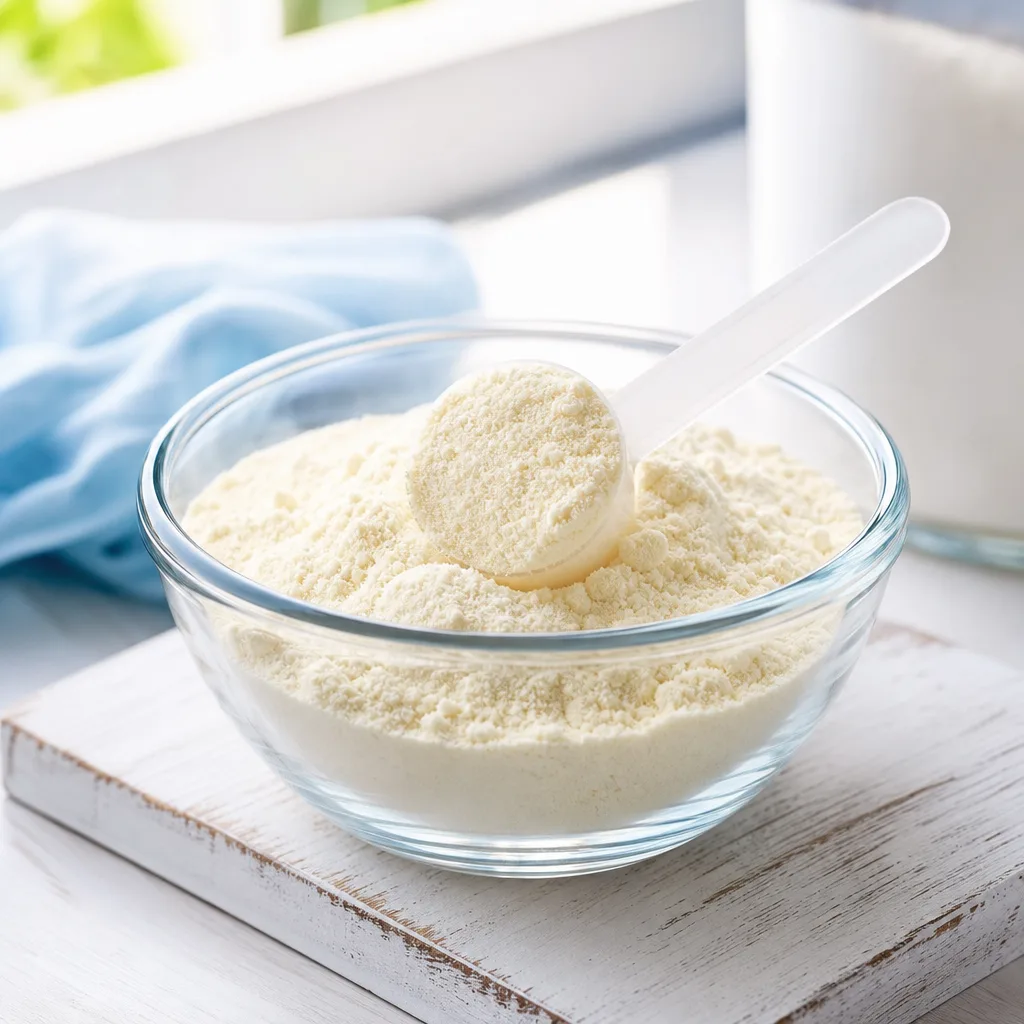
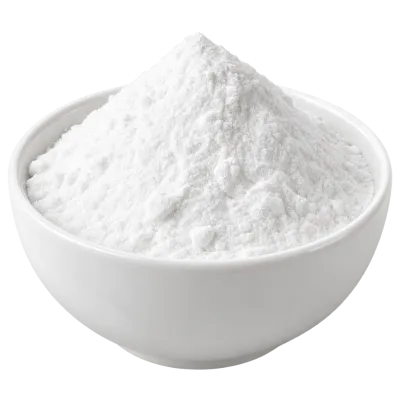
Collecting colostrum for dietary supplements is an established by-product in dairy farming, since cows generally produce more first milk than a single calf needs immediately. After milking, the colostrum is usually gently dried and processed into powder or capsules to make it keep and to preserve the protein substances it contains as far as possible.
 Matching productEAA PowderAmazon →
02
Typical ingredients at a glance
| Component | Usual role |
|---|---|
| Protein and amino acids | building material, including for immunoglobulins and tissue |
| Immunoglobulins | part of immune defence, originally for the newborn |
| Growth factors | involved in cell growth and tissue development |
| Minerals and vitamins | general nutrient supply |
These ingredients explain why colostrum is important for newborns in nature. Whether, and to what extent, they act in comparable form when eaten by an already mature adult digestive tract is a different question, and one that is much less clear-cut to answer.
03
Why the transfer to adults is not a given
Immunoglobulins and growth factors are proteins that, in principle, undergo the same breakdown processes in digestion as other proteins. In the newborn, the digestive tract is not yet fully mature in the first days of life, so some of these proteins can be absorbed undigested to a somewhat greater extent than later on. In adults, by contrast, digestion is fully developed, and a large part of the protein taken in is broken down into individual amino acids and peptides in the stomach and small intestine before it is absorbed.
This means that in adults colostrum is first and foremost an additional, easily digestible protein source, comparable to other milk proteins, and less a direct transfer of the effects seen in newborns on the immune system or growth.
04
What advertising promises and what is supported
As with many natural dietary supplements, the tone of advertising sometimes differs considerably from the tone of the scientific literature on the same subject.
On the market, colostrum for adults is often advertised with claims about a stronger immune system, better recovery and general vitality. Such blanket statements should be viewed with caution, as reliable studies in humans on these specific effects in healthy adults are so far limited. Isolated studies point to possible effects in connection with physical exertion or the gut lining, but overall the evidence is considered thin and not yet well enough established.
If you want to try colostrum, you should therefore see it more as an additional high-quality protein source than as a targeted remedy for specific health complaints. A dietary supplement also does not replace a balanced diet.
The comparison with breast milk, which advertising often draws, should also be treated with caution. Cow colostrum and human breast milk differ in some details of composition despite a similar basic function, and the particularly high concentration of individual ingredients in cow colostrum cannot automatically be transferred one to one to an adult human body.
 Matching productSports BraAmazon →
05
What to look for when using it
Since colostrum as a dietary supplement is still comparatively little standardised, paying close attention to origin, processing and composition helps when choosing a product.
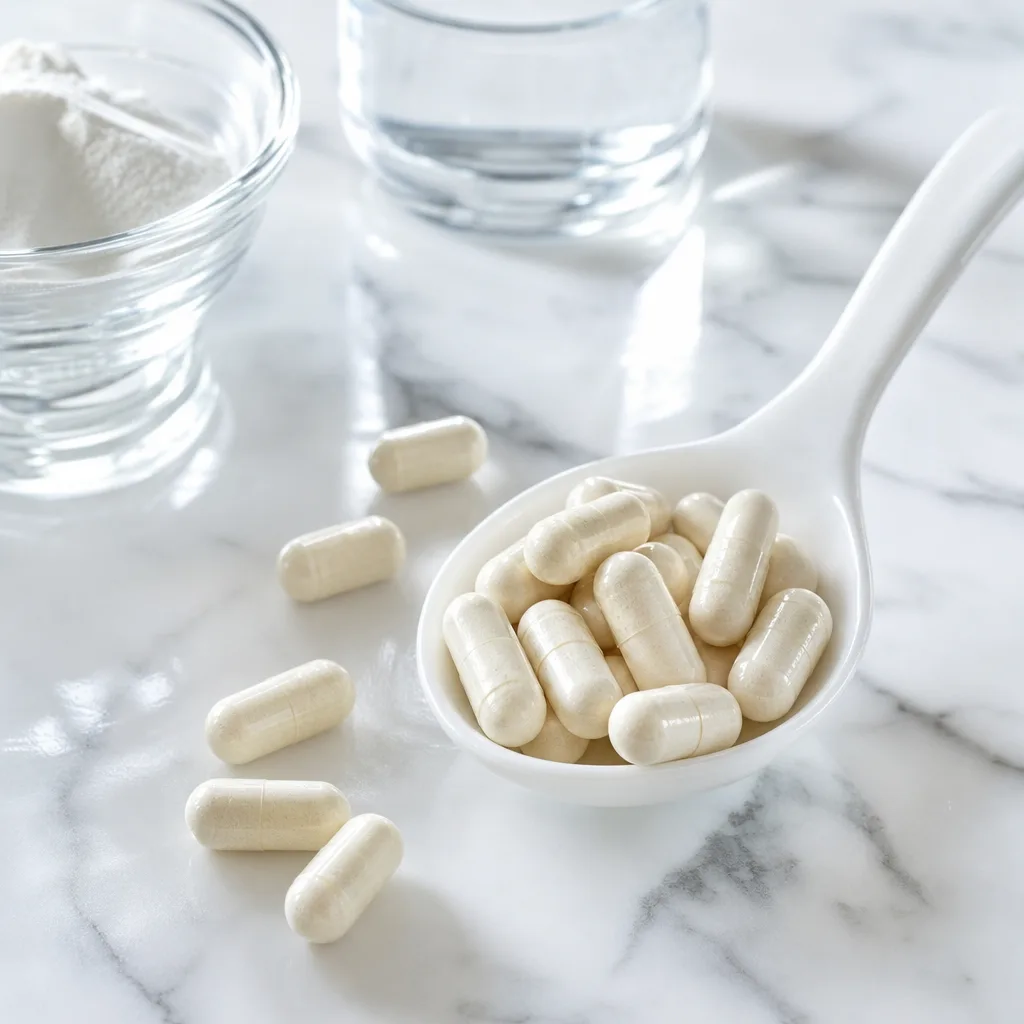
- Colostrum is usually offered as a powder or capsule, so follow the amount on the packaging.
- Since it is a dairy product, it is generally not suitable for lactose intolerance or milk protein allergy.
- For pregnant or breastfeeding women, people with chronic illnesses or people taking medication, medical advice beforehand makes sense.
- Realistic expectations help avoid disappointment, as many of the advertised effects are not yet clearly established scientifically.
- Store colostrum powder dry and protected from light to preserve its shelf life.
 Matching productVitamin C PowderAmazon →
06
What the research says
For the original role of colostrum in the newborn, the evidence is very well established, and the benefit there is undisputed. For colostrum as a dietary supplement in healthy adults, the evidence is much weaker and inconsistent. Individual smaller studies report possible effects on the gut lining or on certain immune markers in athletes training intensively, but larger, independent confirmatory studies are so far largely missing.
Reputable assessments therefore speak of a possible but unproven benefit in adults. Colostrum can be regarded as an additional, nutrient-rich protein source, but according to current knowledge it is not a replacement for established measures such as enough sleep, a balanced diet or medically recommended measures for illness.
In addition, many of the available studies were carried out on athletes with a very high training volume, whose starting position differs markedly from that of an averagely active person. Results from such special groups cannot simply be transferred to the general population.

07
Frequently asked questions
Does colostrum make sense for adults at all?
It can serve as an additional high-quality protein source, but a clearly proven special added benefit over other milk proteins in healthy adults has so far not been clearly established scientifically.
Is colostrum proven to strengthen the immune system?
A blanket, well-supported effect in healthy adults has not been shown. Individual studies suggest possible effects in people who train intensively, but the evidence overall is thin.
Is colostrum suitable for people with lactose intolerance?
Generally not without further checks, since it is a dairy product. With intolerances, it should be checked beforehand whether and in what form the product is tolerated.
How is colostrum obtained as a dietary supplement?
It is usually collected from cows shortly after calving, and according to manufacturers only the surplus beyond the calf's needs should be used.
Can I combine colostrum with whey protein?
In principle yes, since both contain milk protein. Keep an eye on a sensible total amount of protein across the day, and you can find more in the Whey protein guide.
Explore
Read next
 Protein types at a glance: whey, casein, plant-based and moreAn overview of all common protein types from whey to collagen, with a comparison table and links to detailed guides.
 Amino Acids: The Building Blocks of ProteinStructure, classification and functions of amino acids at a glance, with a table of all 20 proteinogenic amino acids and links to all guide…
 Supplements for Sport and Fitness: A Factual OverviewAll supplement categories at a glance, with the evidence rated from good to thin, plus safety and buying tips.