
6 min read
Lysine: Effects, Foods and the Matter of Herpes
Which essential amino acid lysine is, where to find it and what is scientifically behind the often-cited effect against cold sores.

Lysine is one of the essential amino acids, meaning the body cannot produce it itself and depends on intake through food. Lysine is known above all as an important building block for proteins in the body, but also in connection with the immune system and, with less scientific backing, with the prevention of cold sores.
In this guide you will learn what tasks lysine performs in the body, which foods contain it, roughly how high the requirement is and what is behind the frequently repeated effect against herpes.
01
What is lysine and what is it needed for?
Lysine is one of nine essential amino acids that the human body must take in through food. It is an important building block of many body proteins and plays a role in the formation of collagen, which is important for skin, bones, tendons and connective tissue. Lysine is also involved in the formation of carnitine, a substance that helps transport fatty acids into cells, and in the absorption of calcium in the gut.
Because lysine is essential, a lasting deficiency can impair protein metabolism, the immune system and collagen formation. In countries with a balanced diet, however, a true deficiency is rare, since lysine is contained in many everyday foods. A certain connection between lysine and the immune system is also discussed, since immune cells depend on a sufficient amino acid supply for growth and multiplication, even though a targeted extra portion of lysine beyond normal protein intake has no proven additional immune effect.
 Matching productL-CarnitineAmazon →
02
Lysine-rich foods
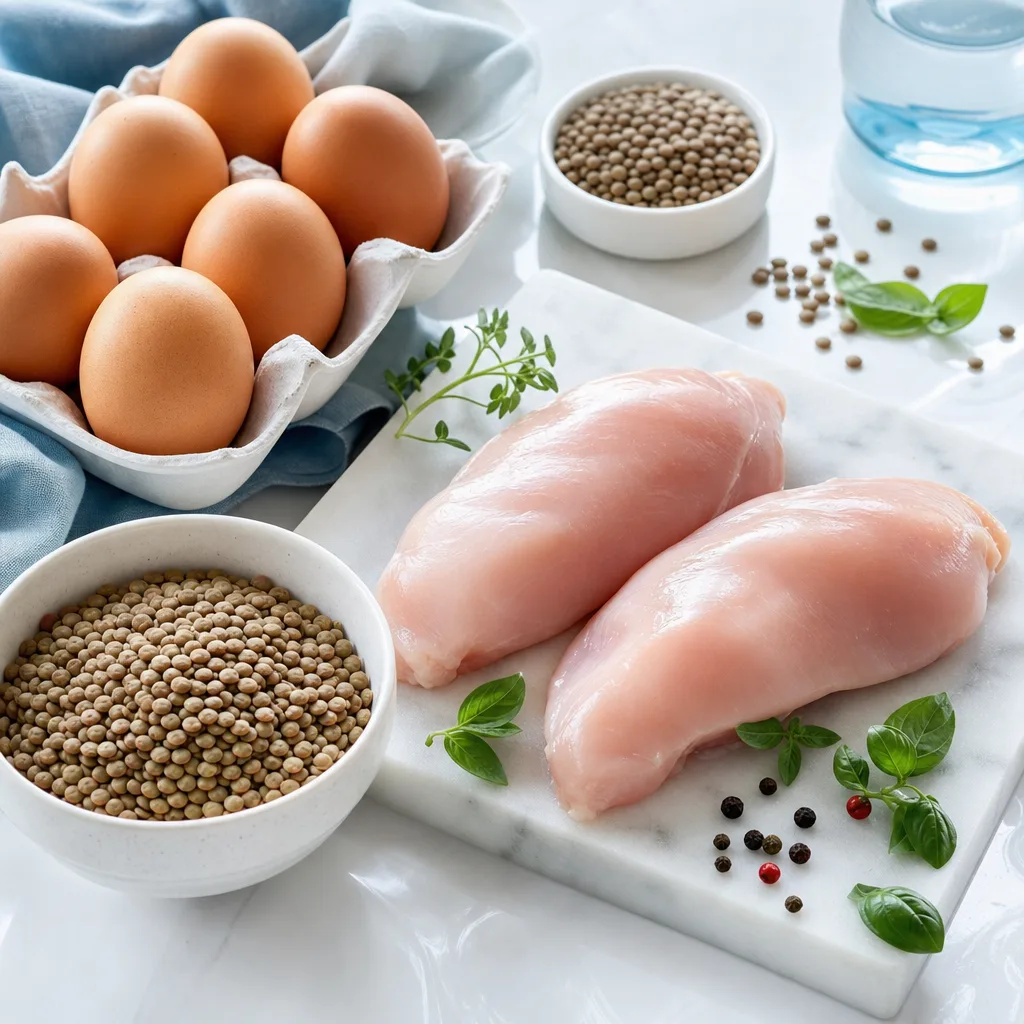
Lysine is particularly abundant in animal protein sources but also occurs in plant-based foods, albeit in varying amounts. The following table shows typical orders of magnitude per 100 grams.
| Food | Lysine per 100 g (approx.) |
|---|---|
| Parmesan | 3200 mg |
| Beef | 2000 mg |
| Chicken breast | 1900 mg |
| Lentils, dried | 1800 mg |
| Eggs | 900 mg |
| Soybeans | 2000 mg |
| Wholemeal bread | 250 mg |
| Potatoes | 110 mg |
If you regularly eat protein-rich foods such as meat, fish, dairy products, eggs or legumes, you will generally cover your lysine requirement without difficulty. Cereals contain comparatively little lysine, so a diet very heavy in cereals without other protein sources can reduce intake.
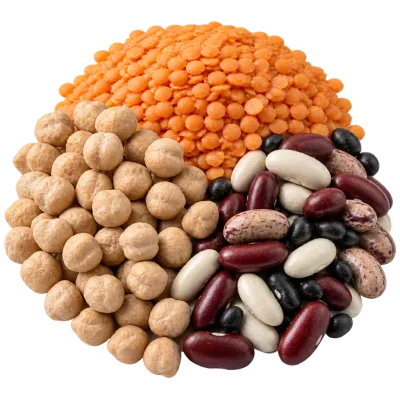 Matching productLegume SetAmazon →
03
How high is the requirement?
The daily lysine requirement for adults is estimated at about 30 mg per kilogram of body weight, which corresponds to about 2100 mg per day at a body weight of 70 kg. This amount can generally be reached easily through a balanced, protein-rich diet, especially if you take in enough protein overall on a regular basis, since lysine is supplied automatically along with it.
An increased requirement can exist during growth phases, with intense training or with a very one-sided, predominantly plant-based diet without targeted food selection. If you eat vegan, you can ensure a good supply by combining legumes with cereals, since the respectively weaker amino acid profiles of the two food groups complement each other well.
Endurance and strength athletes with a high training volume also usually cover their lysine needs automatically if they take in enough protein overall, since lysine is contained in sufficient amounts in almost all complete protein sources. A separate calculation of lysine requirements beyond general protein intake is not necessary for most people in everyday life.
 Matching productPea ProteinAmazon →
04
Lysine and cold sores: what is behind it?
A frequently mentioned area of use for lysine products is the prevention of cold sores. The idea behind this rests on laboratory observations that lysine and the amino acid arginine act in opposite ways in metabolism, and that a more favourable ratio of lysine to arginine could inhibit the growth of the herpes virus in cell cultures.
Clinical studies in humans on this question are older, mostly small and give an inconsistent picture: some point to a possible reduction in the frequency or severity of outbreaks with regular, sometimes quite high lysine intake, while others find no clear effect. No established efficacy anchored in current guidelines can be derived from this. If you have recurring herpes outbreaks, you should seek medical advice on questions of prevention and treatment instead of relying on a dietary supplement alone.
Besides the lysine amount alone, the ratio of lysine to arginine in the diet is sometimes discussed, since arginine-rich foods such as nuts and chocolate have been linked with more frequent outbreaks in some observations. Reliable, controlled studies proving a clear connection between the ratio of the two amino acids in the normal diet and the frequency of herpes are largely lacking, however, so no dependable dietary rule can be derived from this.
 Matching productGlycineAmazon →
05
Lysine in strength sport
Because lysine is involved in building body proteins and in the formation of carnitine, it is occasionally also mentioned in connection with building muscle. An independent effect of additional lysine on muscle growth or strength beyond general protein intake has not yet been convincingly demonstrated, however.
What matters most for building muscle is sufficient total protein intake with a complete amino acid profile, as provided by classic protein sources or a multi-component protein. Lysine is already contained in sufficient amounts in these, so an isolated extra portion brings no measurable added benefit for most people who train. It makes more sense to ensure sufficient protein intake overall, spread across the day, than to supplement individual amino acids such as lysine deliberately. An overview of the right distribution of protein intake across the day helps more here than the isolated supplementation of a single amino acid.
The frequently discussed role of lysine in bone health through improved calcium absorption in the gut is also interesting in the context of sport, especially for athletes with a high training load. Here too, though, a balanced diet with sufficient calcium and protein forms the foundation, and an isolated lysine supplement does not replace it.
 Matching productWhey IsolateAmazon →
06
Lysine supplements
Lysine products come as capsules, tablets or powder, often also in combination with other amino acids. In studies on herpes prevention, amounts in the range of about 500 to 1500 mg daily were often used, sometimes more during acute outbreaks. These figures serve only as a rough guide and do not replace the packaging information of the respective product, which you should follow.
A dietary supplement with lysine does not replace a balanced diet. If you already eat enough protein-rich foods, you generally need no additional lysine product.
Lysine is generally considered well tolerated at the usual supplement amounts. Very high doses can occasionally cause gastrointestinal complaints such as abdominal pain or diarrhoea. People with reduced kidney function should have high-dose amino acid products medically clarified beforehand, as should pregnant and breastfeeding women and people who take medication.
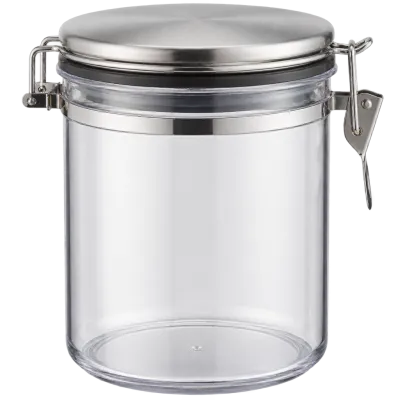 Matching productPowder Storage ContainerAmazon →
07
What the research says
The fundamental role of lysine as an essential amino acid for protein synthesis, collagen formation and calcium absorption is scientifically undisputed. Less established is the widely advertised effect against herpes outbreaks, where the available, mostly older evidence gives no clear picture and larger, modern studies are largely lacking. There is also no reliable evidence of a general performance-enhancing effect in sport, since an actual lysine deficiency is rare with a balanced diet. Those who already have a good protein supply should therefore not have exaggerated expectations of additional lysine and should ensure their basic supply through varied, high-quality protein sources rather than isolated amino acid products.
08
Frequently asked questions
Does lysine reliably help against cold sores?
The evidence is inconsistent and predominantly older, and there is no established, widely recognised efficacy. With recurring outbreaks, medical advice makes more sense than relying on lysine alone.
Who has an increased lysine requirement?
Children and adolescents in growth phases, as well as people with a very one-sided, cereal-heavy diet without other protein sources, may have an increased relative requirement.
Can you take in too much lysine?
Through normal diet, an overdose is practically impossible. With very high-dose products, gastrointestinal complaints can occur, which is why it is advisable to follow the packaging information.
Is enough lysine available to vegans too?
Yes, through a combination of legumes and cereals and other plant protein sources, the lysine requirement can be met even without animal foods.
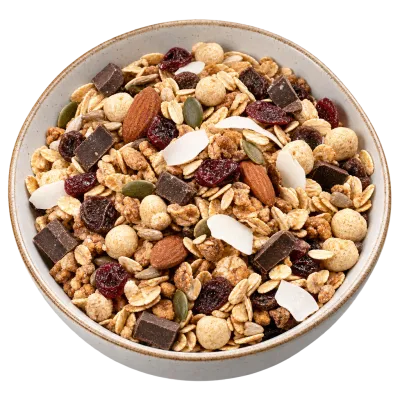 Matching productProtein MuesliAmazon →
Explore
Read next
 Protein types at a glance: whey, casein, plant-based and moreAn overview of all common protein types from whey to collagen, with a comparison table and links to detailed guides.
 Amino Acids: The Building Blocks of ProteinStructure, classification and functions of amino acids at a glance, with a table of all 20 proteinogenic amino acids and links to all guide…
 Supplements for Sport and Fitness: A Factual OverviewAll supplement categories at a glance, with the evidence rated from good to thin, plus safety and buying tips.