
6 min read
Ascorbic Acid (Vitamin C): Function, Requirement and Sport
What ascorbic acid, i.e. vitamin C, does in the body, which foods provide it and how to put your requirement into context during sport and diets.

Ascorbic acid is the chemical name for vitamin C, one of the best-known vitamins of all. It is involved in numerous processes in the body, including the formation of connective tissue, immune system function and the protection of cells against oxidative stress.
In this guide you will learn which functions ascorbic acid performs in the body, which foods contain it in relevant amounts, how to put the usual requirement into context and what role vitamin C actually plays in sport and during the cold season.
01
What ascorbic acid does in the body
Ascorbic acid is involved in the formation of collagen, an important structural protein in skin, bones, tendons and blood vessels. Vitamin C also acts as an antioxidant, meaning it can neutralise reactive molecules in the body and so protect cells from oxidative stress. In addition, it improves the absorption of plant-based iron from food when the two are eaten together.
Unlike many other mammals, the human body cannot produce vitamin C itself, which is why a regular intake from food is necessary. A pronounced deficiency is known as scurvy, but with a broadly balanced diet it is now very rare in Germany.
Historically, sailors had already observed the link between vitamin C deficiency and scurvy, long before vitamin C was known as a substance in its own right. The observation that regularly eating fresh fruit could prevent the disease is considered one of the early foundations of modern nutritional science and shows how closely nutrition and health have always been connected.
02
Food sources of vitamin C
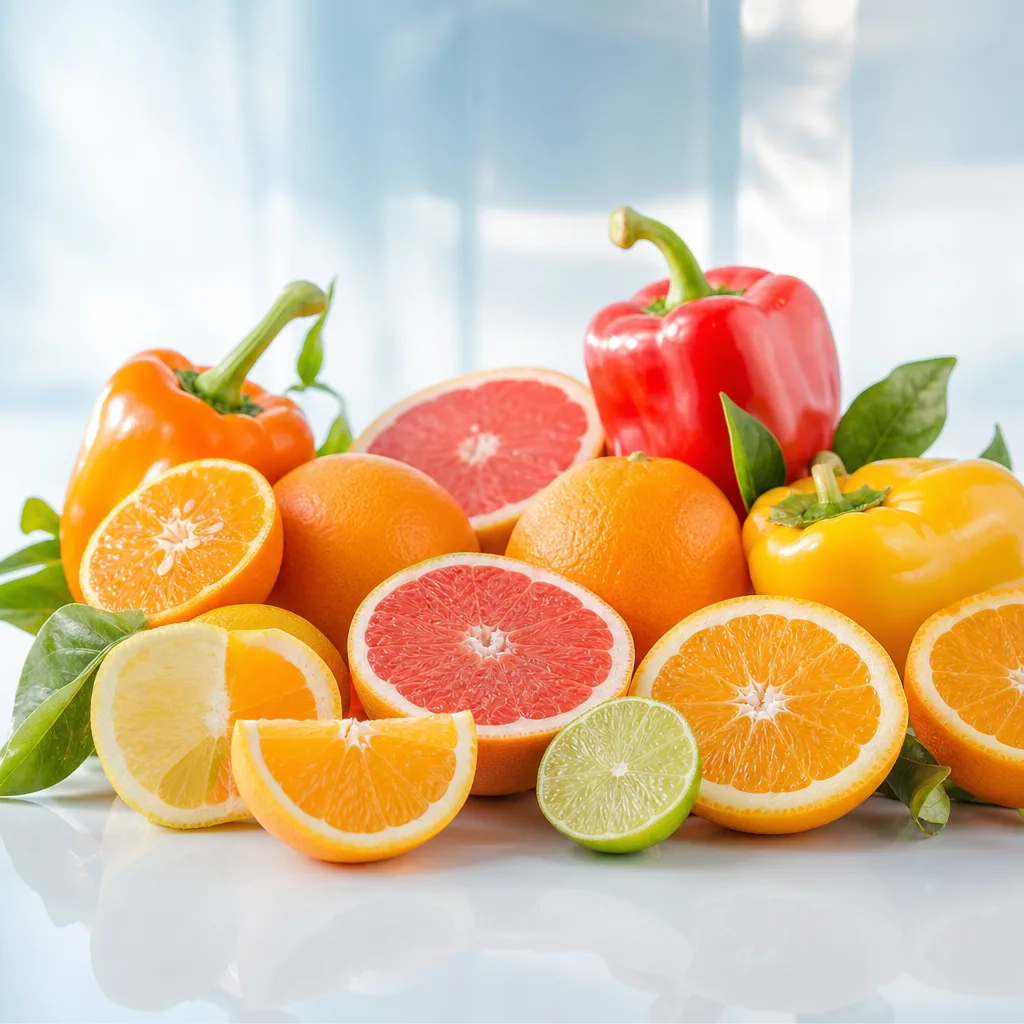
Vitamin C is found mainly in fruit and vegetables, especially citrus fruits, bell peppers, berries, cabbage vegetables and potatoes. Because ascorbic acid is sensitive to heat and light, part of the content is lost during long storage or strong heating, so fresh or gently prepared vegetables tend to provide more of it than dishes cooked for a long time.
| Food | Typical vitamin C content per 100 g |
|---|---|
| Bell pepper, raw | about 100 to 140 mg |
| Citrus fruits | about 40 to 60 mg |
| Berries, for example blackcurrants | about 150 to 180 mg |
| Cabbage vegetables, for example broccoli | about 80 to 100 mg |
| Potatoes, boiled | about 10 to 20 mg |
These values are typical orders of magnitude and can vary depending on variety, cultivation, storage and preparation. If you regularly eat a mix of different fruit and vegetables, you will usually cover your requirement well through your diet.
A practical tip for everyday life: raw vegetables or briefly steamed vegetables generally contain more vitamin C than dishes cooked for a long time, as the substance reacts sensitively to heat and contact with cooking water. If you steam vegetables rather than boiling them in water for a long time, or reuse the cooking water, for example in a soup, you keep a larger share of the original vitamin content.
03
Requirement and supplementation
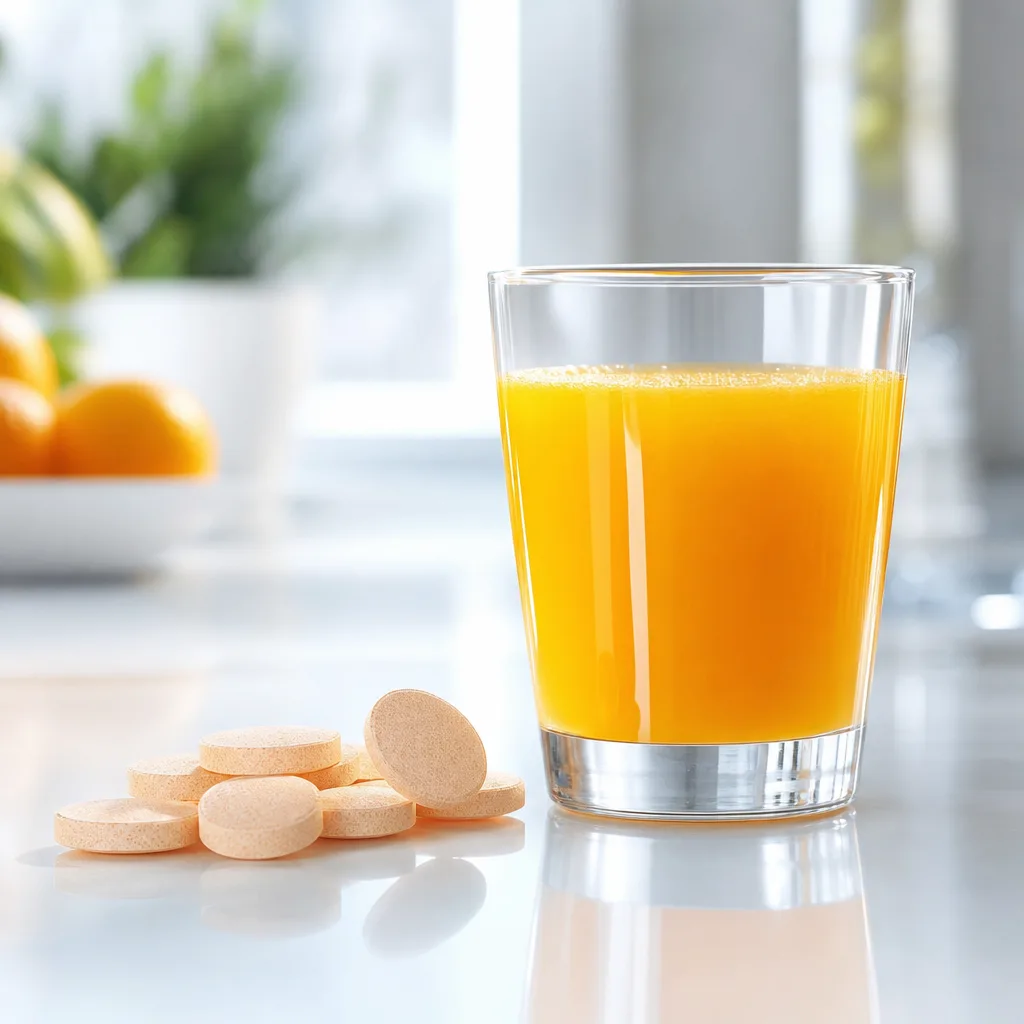
The daily requirement for vitamin C can usually be met well with a varied diet containing enough fruit and vegetables. In certain situations, such as a very one-sided diet, during intense training phases or in smokers, the requirement can be slightly higher. In such cases, supplements containing ascorbic acid are occasionally used as a practical addition, but they are no substitute for a balanced diet with enough fresh fruit and vegetables.
Common supplements usually contain amounts of about 100 to 1000 mg per serving, and the exact amount is best based on the pack information for the product in question. Very high doses over a longer period can cause gastrointestinal complaints in some people. If you have existing kidney disease, taking higher-dose supplements should be checked with a doctor beforehand.
 Matching productPowder Storage ContainerAmazon →
04
Vitamin C and iron absorption
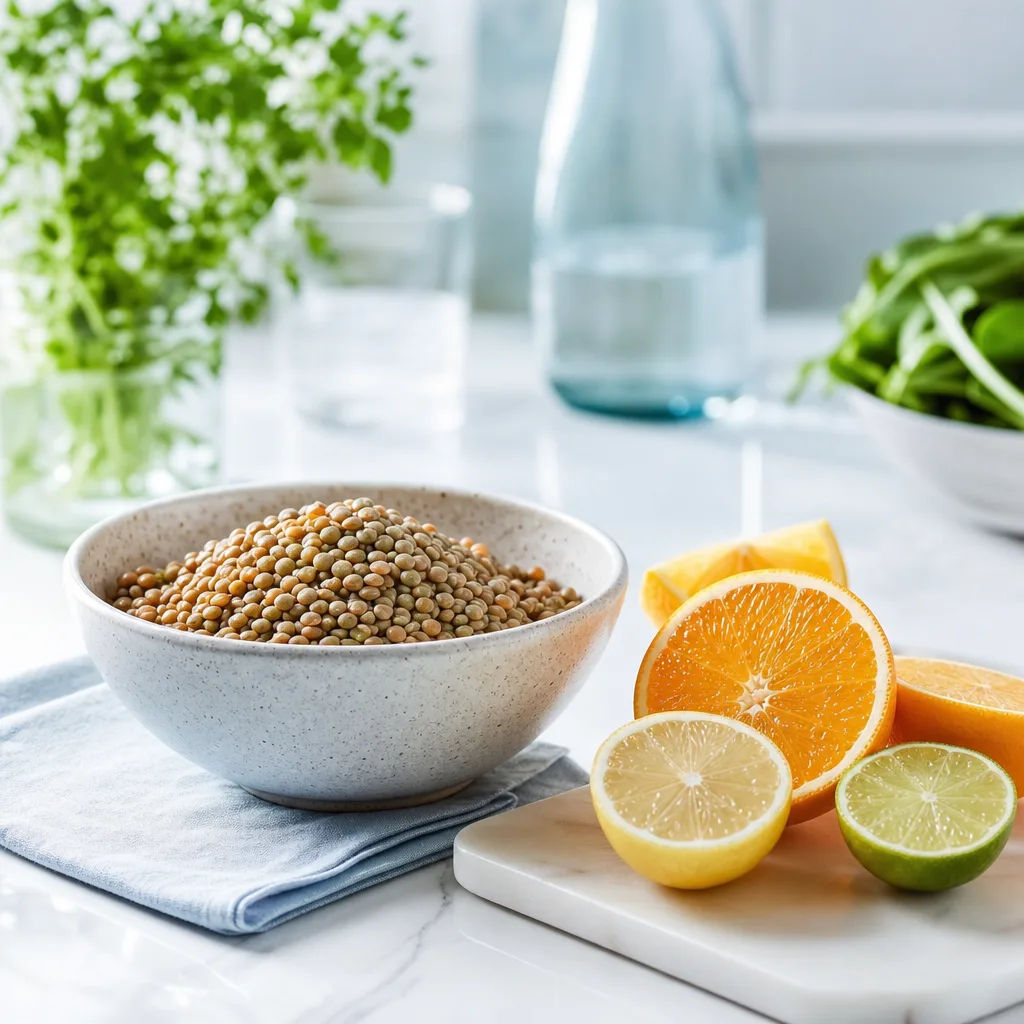
A practical property of ascorbic acid concerns the absorption of iron from plant foods. Plant-based iron, as found for example in pulses, wholegrain products or green leafy vegetables, is absorbed less well by the body than animal iron. If a food rich in vitamin C is eaten at the same time, for example bell pepper with a lentil dish or citrus juice with muesli, the absorption of plant-based iron improves noticeably.
This effect is particularly relevant for people who eat mostly plant-based, as they rely more heavily on the less readily available plant form of iron. You can find more on the interplay of iron and diet in our glossary entry on iron.
05
Vitamin C in sport and during cold season
In sport, vitamin C is occasionally discussed in connection with the increased oxidative stress caused by intense training. In the cold season, too, many people reach for vitamin C in the belief that it prevents colds or shortens them. No healing claim can be derived from this, however, at most a possible, usually small reduction in the duration of a cold with regular intake, not with acute use after symptoms begin.
06
Interplay with other nutrients
Vitamin C rarely acts in isolation in the body, but works together with other vitamins and minerals. Together with vitamin E, which also has antioxidant properties, ascorbic acid complements it in several protective mechanisms of the cells. In connection with the immune system, too, vitamin C is often mentioned together with zinc, as the two micronutrients are involved at different points of the immune defence. You can learn more in our glossary entry on zinc.
In practice this means: targeted, isolated supplementation with a single vitamin is usually less sensible than an overall varied diet with different fruit, vegetables and wholegrain products, which provides a broad range of micronutrients instead of focusing on a single value.
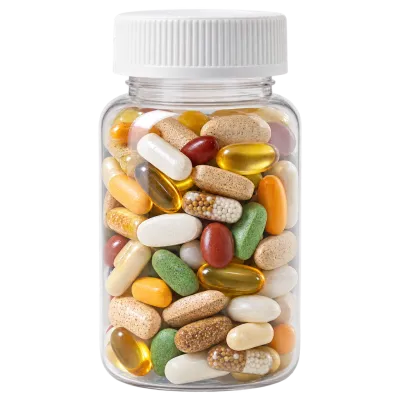 Matching productMultivitaminAmazon →
07
What the research says
The fundamental importance of vitamin C for collagen formation, immune function and protecting cells from oxidative stress is well established scientifically. The evidence is less clear on whether additional intake beyond the normal requirement brings a measurable added benefit in people who are already well supplied, for example for athletic performance or how often colds occur. Overall, studies here show rather small or inconsistent effects.
For people who already eat a balanced diet, high-dose vitamin C supplementation is therefore usually not necessary, but it can make sense as an addition in certain situations, for example with increased requirements or a restricted diet.
08
Frequently asked questions
How do I recognise a vitamin C deficiency?
Possible signs include poor wound healing, bleeding gums or increased tiredness, but a pronounced deficiency is rare with a broadly balanced diet. If symptoms persist, a medical check is advisable.
Can I take in too much vitamin C?
An overdose through food is practically impossible. With high-dose supplements, larger amounts can cause gastrointestinal complaints, so intake should follow the pack information.
Does vitamin C help against colds?
A healing effect has not been demonstrated. Studies at most point to a slight reduction in the duration of a cold with regular intake, whereas an acute effect after symptoms begin has hardly been shown.
Do athletes need more vitamin C than others?
With intense training the requirement can be slightly higher, but a clearly higher requirement across the board has not been shown conclusively. A varied diet with enough fruit and vegetables usually covers the requirement well.
Which foods provide the most vitamin C?
Bell peppers, berries such as blackcurrants and various types of cabbage are among the foods with a particularly high vitamin C content, often more than classic citrus fruits.
Is synthetic vitamin C worse than natural vitamin C?
Chemically, ascorbic acid from dietary supplements is identical to the form found naturally in foods. A relevant difference in how the body absorbs it has not been clearly demonstrated scientifically. You can find overview articles on further micronutrients on our page Vitamins and nutrients.
Should I take vitamin C right before training?
There is no scientifically prescribed fixed time of intake. Some people take vitamin C spread across the day with meals, as this can also support the simultaneous absorption of plant-based iron.
Explore
Read next
 Protein types at a glance: whey, casein, plant-based and moreAn overview of all common protein types from whey to collagen, with a comparison table and links to detailed guides.
 Amino Acids: The Building Blocks of ProteinStructure, classification and functions of amino acids at a glance, with a table of all 20 proteinogenic amino acids and links to all guide…
 Supplements for Sport and Fitness: A Factual OverviewAll supplement categories at a glance, with the evidence rated from good to thin, plus safety and buying tips.