
6 min read
Testosterone: Functions, Normal Ranges and Natural Influences
What testosterone does in the body, which lifestyle factors influence levels and when seeing a doctor makes sense: find out here.

Testosterone is the most important male sex hormone and belongs to the group of androgens. In men it is produced mainly in the testes, and in smaller amounts in the adrenal cortex, and it plays a central role in the development of male sexual characteristics, sperm production and muscle and bone metabolism. The female body also produces testosterone, but in considerably smaller amounts, mainly in the ovaries and adrenal glands.
In this guide you will learn what tasks testosterone performs in the body, which factors influence levels naturally, what can point to a possible deficiency, what role diet plays and what research actually says about the much-advertised natural boosters.
01
The functions of testosterone in the body
Testosterone influences a whole range of physical processes. These include the development and maintenance of the male sex organs, sperm production, the development of body hair and a deeper voice in puberty. In addition, testosterone is anabolic, meaning it supports the building of muscle mass and influences bone density and the formation of red blood cells.
Libido and general drive are also closely linked with testosterone levels. Production is controlled through a feedback loop between the brain and the testes: the brain releases luteinising hormone, which in turn stimulates testosterone production in the testes. This feedback loop responds, among other things, to sleep, stress, diet and physical activity.

02
Normal values and when seeing a doctor makes sense
Testosterone levels are measured with a blood sample and are subject to natural fluctuations, among other things over the course of the day, with typically higher values in the morning. The following values serve as a rough guide; the exact interpretation should always be made by a doctor, as reference ranges can vary from laboratory to laboratory.
| Group | Rough reference range |
|---|---|
| Adult men | about 10 to 35 nanomoles per litre |
| Adult women | about 0.3 to 3 nanomoles per litre |
In men, testosterone levels fall slowly and continuously from about the age of 30 to 40, which is a normal ageing process and averages about one to two percent per year, although the individual range is wide. Signs of a deficiency that genuinely needs treatment can include persistent tiredness, declining libido, erectile problems, mood swings or a loss of muscle mass despite training. Such symptoms have many possible causes and should be checked by a doctor, rather than being attributed to low testosterone without a diagnosis.
03
What influences testosterone levels naturally
Several lifestyle factors have a demonstrable influence on testosterone levels. Sufficient, restful sleep is among the most important factors, since a large part of the overnight testosterone release takes place in deep sleep. Chronic lack of sleep can lower levels noticeably.
Regular physical activity, especially strength training with larger muscle groups such as the legs and back, is regarded as one of the most reliable natural ways to influence the hormone balance positively. Basic exercises such as squats or deadlifts, which work a lot of muscle mass at the same time, are often mentioned in this context, even though the exact effect of individual exercises varies from person to person and an acute rise after training is not the same as a permanently raised resting level.
Regular strength training at a sufficiently high intensity, a healthy body weight and a sufficient calorie intake that is not permanently too low also have a positive effect. Marked excess weight, by contrast, is associated with lower testosterone values, as is chronic stress, which can indirectly impair testosterone production via the stress hormone cortisol. An adequate supply of zinc and magnesium is also a prerequisite for normal hormone production, although an already good micronutrient status can hardly be improved further by additional doses.
 Matching productWeightlifting BeltAmazon →

04
What research says about natural testosterone boosters
For over-the-counter dietary supplements advertised as raising testosterone levels, such as tribulus terrestris, fenugreek or D-aspartic acid, the evidence is thin and inconsistent overall. In men with already normal testosterone levels, most controlled studies show no relevant additional effect. Much better documented, by contrast, is the effect of the lifestyle factors already mentioned: sleep, strength training, body weight and stress reduction.
If a marked testosterone deficiency has actually been confirmed by blood values, medically prescribed testosterone replacement therapy comes into question, which differs fundamentally from over-the-counter dietary supplements and should take place only under medical supervision, as it intervenes in the body's own hormone regulation and can be associated with side effects. Various forms of administration are possible, such as gel, injection or patch, with the choice of method made together with the treating doctor and depending on factors such as the desired steadiness of the hormone level.
Dietary supplements are no substitute for a balanced diet, and certainly no substitute for a medical examination where there is a well-founded suspicion of a hormone deficiency. Anyone who already takes medication or suffers from a chronic condition should likewise seek medical advice before taking testosterone-related dietary supplements, to rule out possible interactions.
 Matching productPre-Workout BoosterAmazon →
05
Diet and testosterone
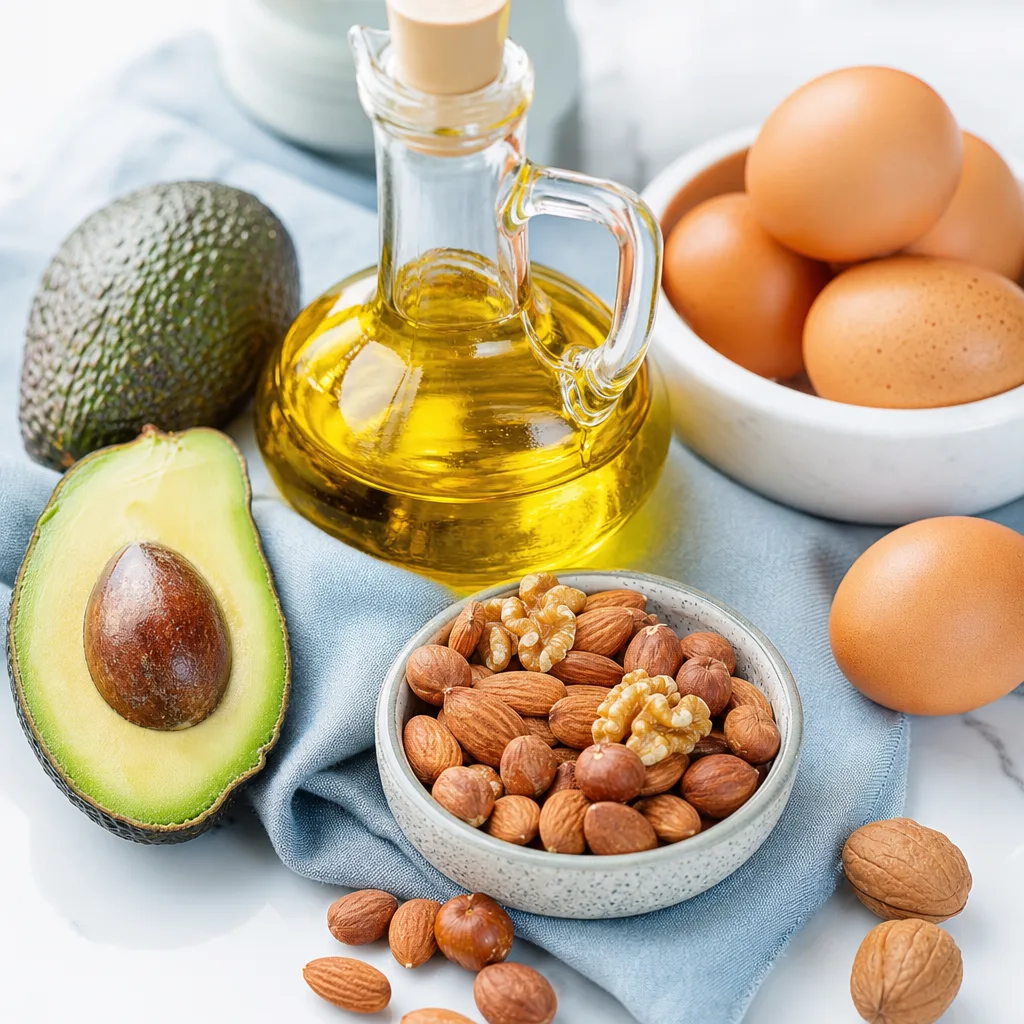
A balanced diet with enough calories and sufficient fat, since testosterone is synthesised from cholesterol, together with adequate protein intake, is regarded as the basic prerequisite for normal hormone production. Extremely low-fat or very strongly calorie-reduced diets over a longer period can have a negative effect on testosterone levels. You can find more on a diet that meets your needs under Protein requirement and High-protein foods.
The same applies to a weight-loss diet: a very large, sustained calorie deficit over many weeks can measurably lower testosterone levels, which is why a moderate, well-controlled deficit is usually preferable to a radical approach. Anyone who continues strength training during a diet and takes in enough protein can at least partly counteract this effect. Alcohol in larger amounts and over longer periods is also suspected of having a negative effect on testosterone production, as it burdens the liver, which is involved in hormone metabolism.
06
Testosterone as a doping agent: a brief note
Artificially administered testosterone is classed as a doping agent in competitive sport and is accordingly banned, as it can clearly exceed the natural limits of muscle building. Such use outside medically justified therapy is associated with considerable health risks, including for the cardiovascular system, the liver and the body's own long-term hormone production, which can be suppressed by external administration. This guide explicitly does not refer to such use, but to the normal, natural regulation of testosterone and to over-the-counter dietary supplements.
07
Frequently asked questions
When do testosterone levels start to fall in men?
A slow, age-related decline begins in most men from about the age of 30 to 40 and is a normal process.
Can I raise my testosterone level without medication?
Within the natural range, levels can be influenced positively by enough sleep, regular strength training, a healthy body weight and a balanced diet. An existing, medically diagnosed deficiency can usually not be corrected by these alone.
When should I have my testosterone level measured?
With persistent symptoms such as severe tiredness, declining libido or an unexplained loss of muscle mass, a visit to the doctor with a blood test makes sense, rather than speculating on your own or taking products without control.
Do testosterone boosters work like testosterone itself?
No. Over-the-counter dietary supplements contain no testosterone, but are meant at most to support the body's own production indirectly, usually with thin evidence in people with a normal baseline value.
Does stress affect testosterone levels?
Yes. Sustained stress raises the stress hormone cortisol, which can indirectly inhibit testosterone production. Sufficient recovery and a mindful approach to stress are therefore among the obvious starting points for supporting the hormone balance.
Do testosterone levels fall on a vegan diet?
A balanced plant-based diet with enough calories, protein and fat does not automatically lead to lower values. What matters is less the question of animal or plant, but whether overall needs for energy and nutrients are actually met.
Explore
Read next
 Protein types at a glance: whey, casein, plant-based and moreAn overview of all common protein types from whey to collagen, with a comparison table and links to detailed guides.
 Amino Acids: The Building Blocks of ProteinStructure, classification and functions of amino acids at a glance, with a table of all 20 proteinogenic amino acids and links to all guide…
 Supplements for Sport and Fitness: A Factual OverviewAll supplement categories at a glance, with the evidence rated from good to thin, plus safety and buying tips.